Intel CEO to Lead AI Strategy as Executive Joins OpenAI
Leadership Changes at Intel Amid AI Focus
Intel has announced a significant shift in its leadership structure as it continues to focus on artificial intelligence (AI) initiatives. The company’s CEO, Tan Lip-bu, will now oversee the chipmaker’s AI efforts following the departure of its chief technology officer, Sachin Katti, who has joined OpenAI, the company behind ChatGPT.
Katti, who had been leading Intel’s AI efforts since a management reorganization in January, shared the news on social media. In response, Intel expressed gratitude for his contributions and wished him well. The statement from the company said, “Lip-bu will lead the AI and Advanced Technologies Groups, working closely with the team.”
AI remains one of Intel’s top strategic priorities, and the company is focused on executing its technology and product roadmap across emerging AI workloads. This move highlights the importance of AI in Intel’s long-term vision, especially as the industry continues to evolve rapidly.
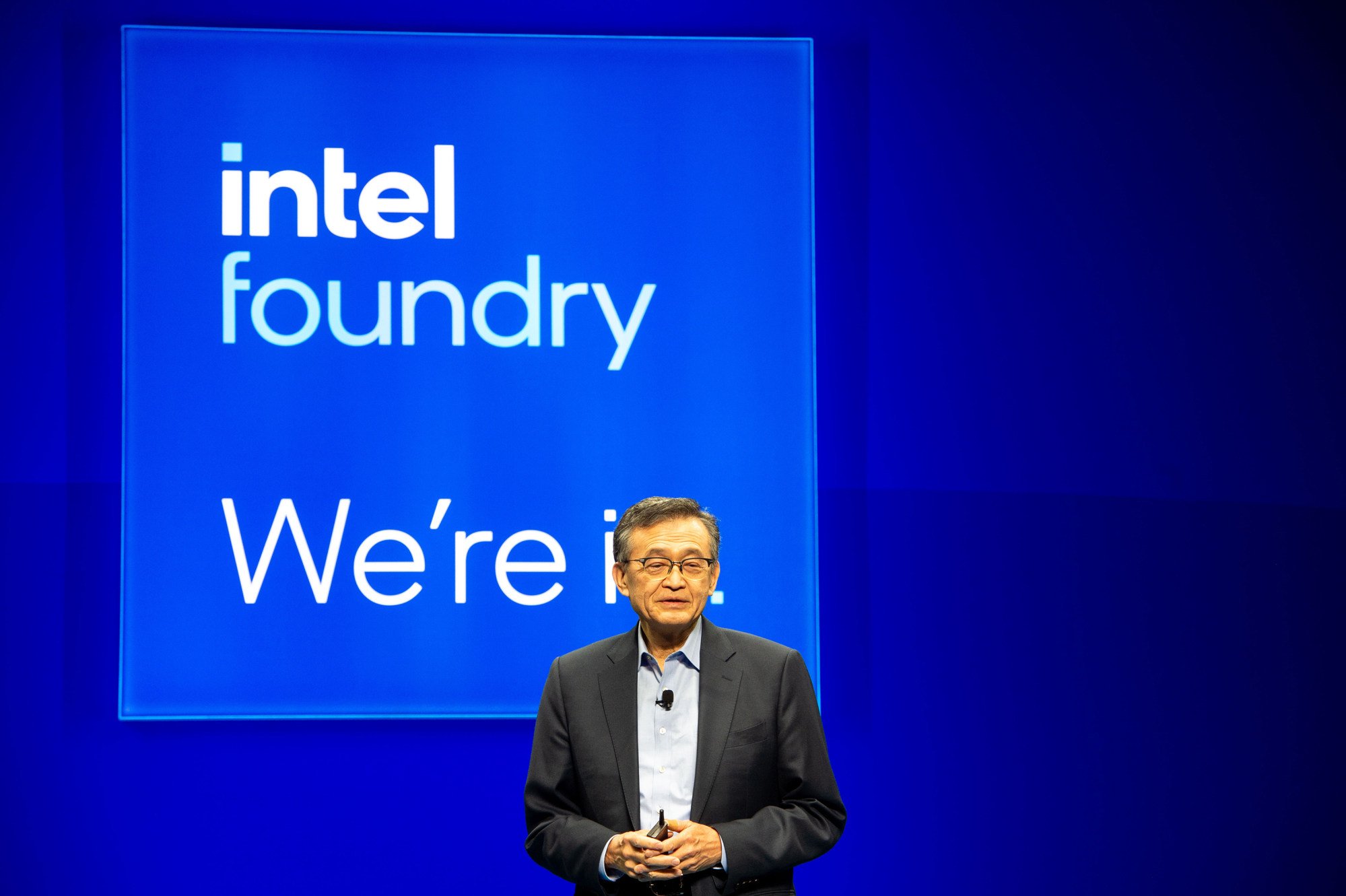
OpenAI president Greg Brockman also commented on Katti’s new role, stating that he would be “designing and building our compute infrastructure, which will power our [artificial general intelligence] research and scale its applications to benefit everyone.” However, OpenAI did not immediately respond to a request for comment.
Since Tan took over in March, several top executives have left Intel as the company attempts to turn around its operations. One of the challenges Intel faces is attracting major customers for its contract manufacturing business, or foundry. Despite this, Intel’s central processors are still used in AI server systems, albeit on a smaller scale compared to specialized AI chips.
Intel has struggled to produce a data center AI chip that can compete with the silicon designed by Nvidia and manufactured by Taiwan Semiconductor Manufacturing Company. This has put the company at a disadvantage in the fast-paced AI market.
Katti joined Intel approximately four years ago and initially worked in the networking group, eventually leading it under former CEO Pat Gelsinger. When Tan took over, he promoted Katti to chief technology officer and chief AI officer, flattening the company’s leadership structure. Before joining Intel, Katti was a Stanford professor for nearly 15 years.
Tan has also made changes to his executive team, elevating some leaders and expanding their roles. For instance, Naga Chandrasekaran, who previously managed Intel’s manufacturing subsidiary, has been given more responsibility for working with external contract manufacturing customers.
In addition, Tan has brought in new executives from outside the company. One example is the hiring of former Arm executive Kevork Kechichian to lead the company’s data center unit.
As Intel continues to navigate these changes, the focus on AI remains a key priority. With the right strategies and leadership, the company aims to strengthen its position in the competitive tech landscape.
