Is Olive Oil Still Your Kitchen Staple?
The Rise and Reevaluation of Olive Oil
For decades, olive oil has been celebrated as the golden standard of "healthy fats." It is a staple in kitchens around the world, featured prominently in Mediterranean diets, wellness blogs, and even skincare routines. However, in recent years, more home cooks and nutrition experts have started to question its place in the kitchen. Is it still the healthiest choice for cooking, or is olive oil beginning to lose its luster? Let's explore this topic before you reach for another bottle.
What Happens When You Heat Olive Oil
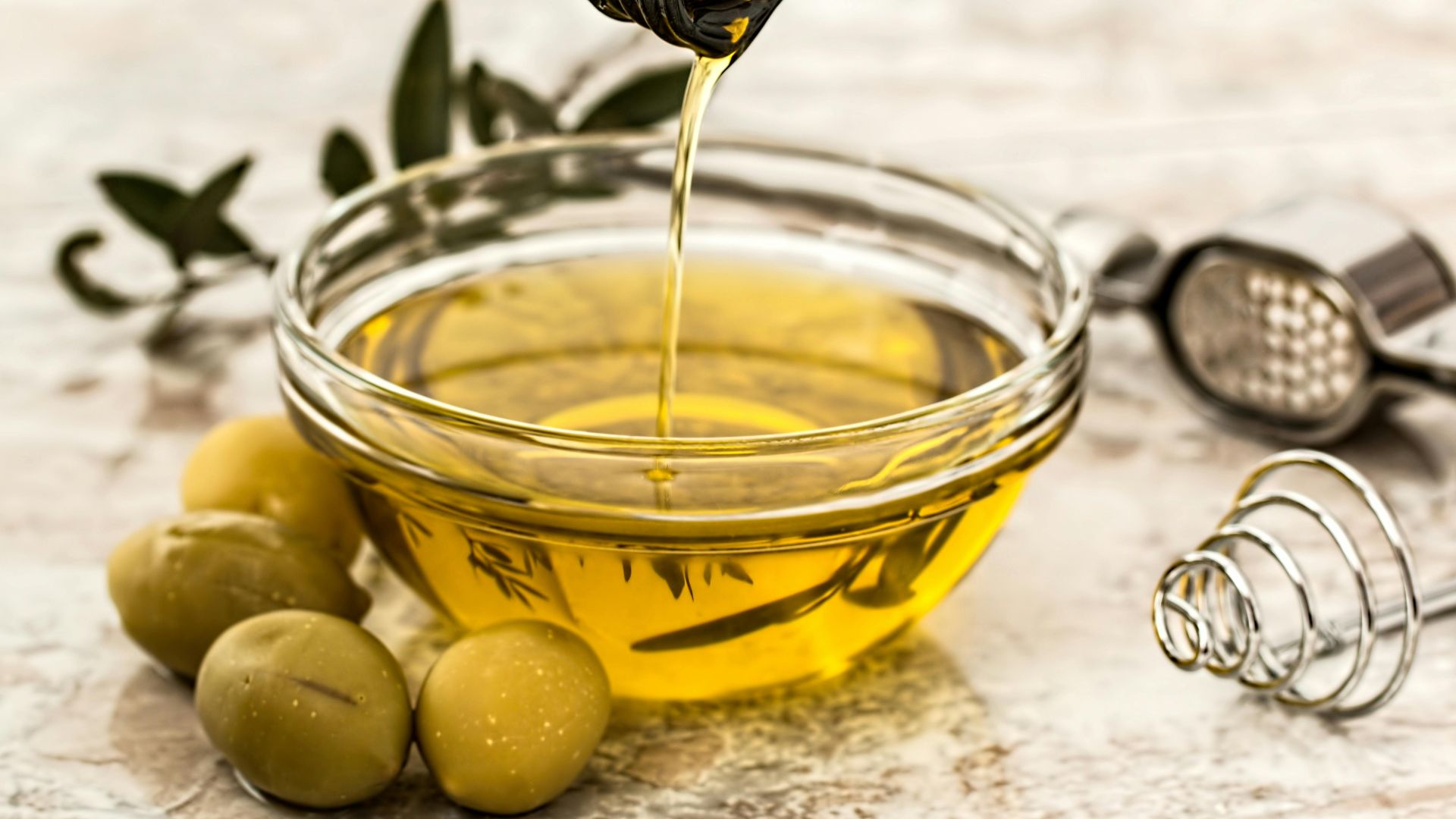
Olive oil gained its reputation due to its high content of monounsaturated fats and antioxidants, which are known to help lower bad cholesterol and support heart health. However, the real challenge arises when you start heating it. Every oil has a smoke point—the temperature at which it begins to break down and release compounds that can affect both flavor and nutritional value.
Extra virgin olive oil, the most nutrient-dense variety, has a relatively low smoke point compared to oils like avocado or refined sunflower oil. When overheated, it can lose some of its beneficial antioxidants and develop a bitter taste. Prolonged exposure to high heat may also cause minor oxidative damage, although these risks are generally small for typical home cooking. Despite this, many cooks are now turning to alternatives, especially when searing meat or stir-frying at high temperatures.
Environmental Concerns Driving Change
The olive oil industry faces its own set of environmental challenges that extend beyond the kitchen. Olive trees grow best in Mediterranean climates, which have become increasingly vulnerable due to droughts and rising temperatures. In major producing countries such as Spain, Italy, and Greece, prolonged dry seasons have led to smaller harvests and stressed ecosystems.
Large-scale olive farming requires substantial water resources, and intensive production methods can degrade soil quality over time. In some regions, the drive for mass production has replaced diverse farmland with monoculture groves, reducing biodiversity and increasing vulnerability to pests.
Additionally, the packaging of olive oil—typically in glass bottles—raises environmental concerns. While glass is recyclable, it is heavy and leads to a higher transportation footprint compared to lighter plastic alternatives. Although olive oil is more sustainable than many animal fats, it is not as low-impact as its "natural" image might suggest.
The Bottom Line
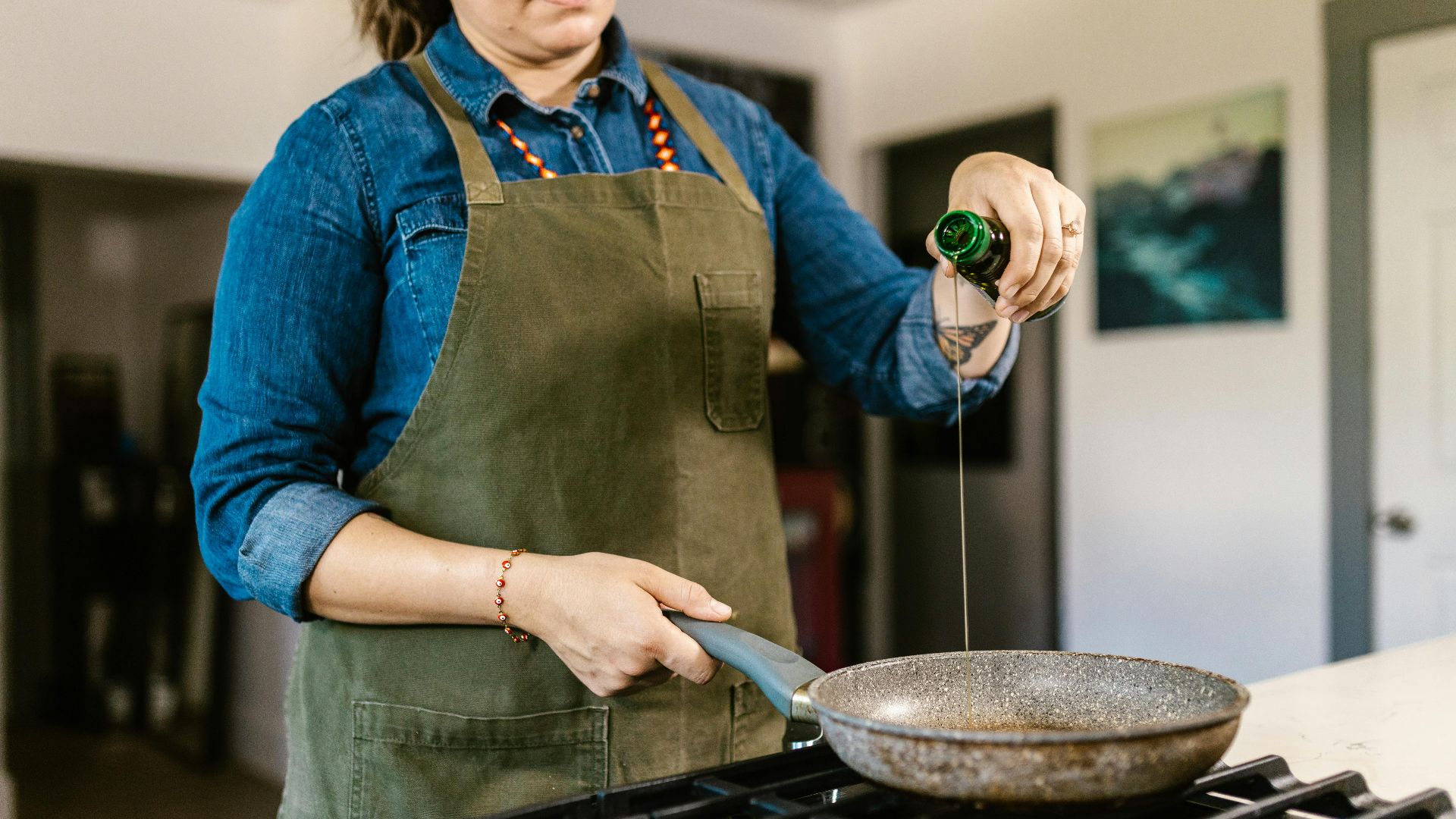
So, should you stop using olive oil altogether? Not necessarily. It’s more about using it thoughtfully rather than eliminating it completely. Olive oil remains one of the most versatile and flavorful oils available, particularly for low- to medium-heat dishes or cold applications such as dressings and dips. It can even be used for sautéing vegetables.
The shift isn’t about abandoning olive oil—it’s about context. Understanding how heat affects its nutrients and how production impacts the environment helps you make smarter choices in the kitchen. Use olive oil where it shines, and opt for alternatives when the recipe demands higher heat. By making informed decisions, you can continue to enjoy the benefits of olive oil while being mindful of its limitations.
