Is Your Mind Fracturing? Blame Your To-Do List
The Hidden Pitfalls of To-Do Lists
We often believe that our to-do lists are a valuable tool for managing our daily tasks. They are marketed as the key to efficiency, helping us focus on what's important and offering a sense of satisfaction each time we cross something off. However, this seemingly helpful habit might be doing more harm than good.

Beware Anticipatory Stress
There’s a familiar feeling when you lie in bed thinking about all the things you need to do. This anticipatory stress is something many of us experience regularly. While to-do lists can help keep us organized, they also serve as a constant reminder of the endless tasks we have to complete. This can make the stress worse rather than alleviate it.
Research shows that anticipatory stress has a negative impact on our overall well-being. The more our minds spiral with worry, the less in control we feel, and this can lead to a cycle where the to-do list becomes a source of anxiety instead of relief.
What Are You Prioritizing?
One of the main issues with to-do lists is that we often treat every task as equally important. It might feel good to check off everything on our list, but this approach can actually distract us from our real goals. Many people tend to tackle the easiest tasks first, leaving the bigger, more significant ones unfinished. This can result in a false sense of accomplishment, such as feeling proud of sending an email while ignoring a major work project.
Productivity vs. Busyness
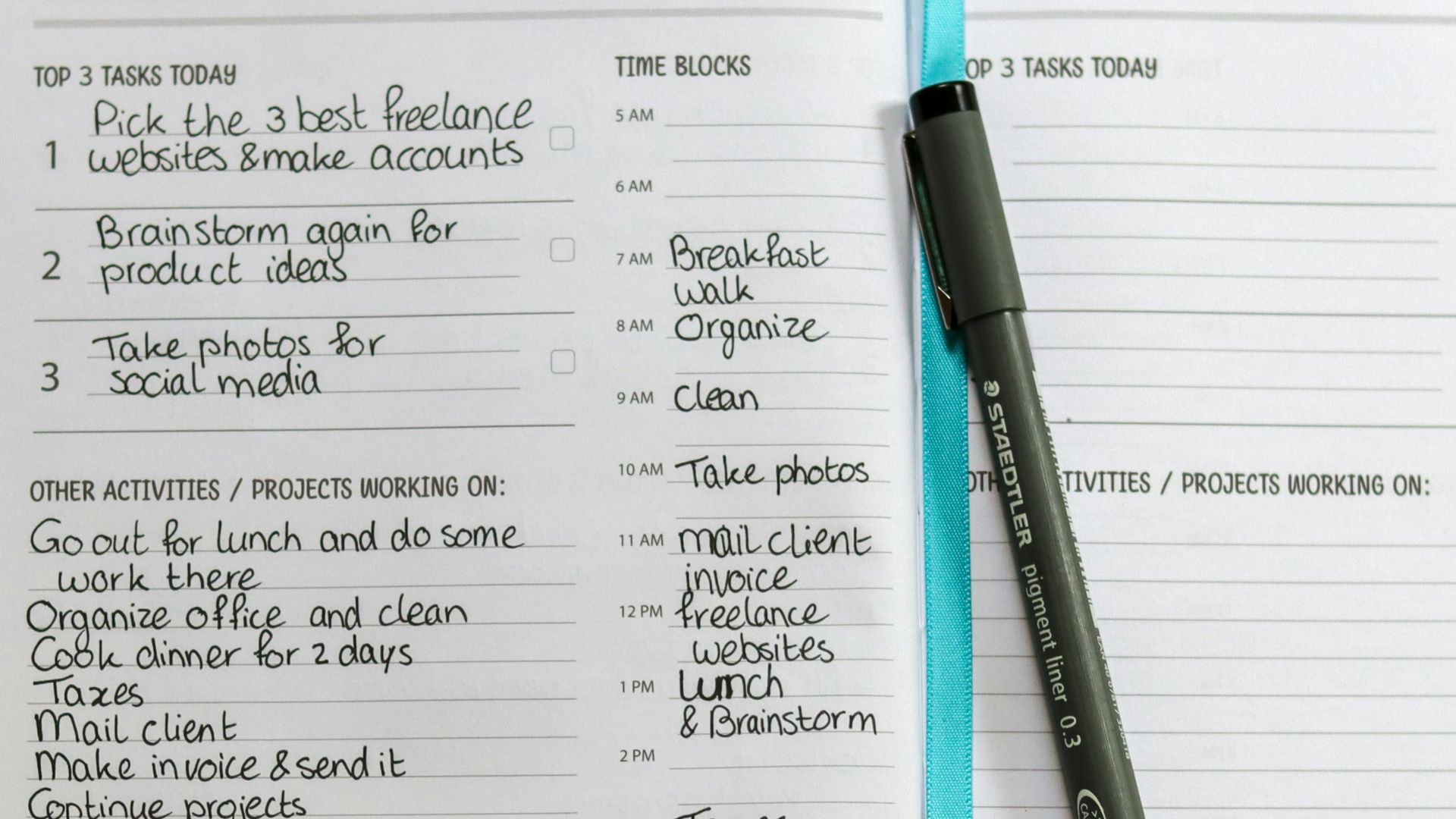
It's easy to confuse productivity with busyness, but the two are not the same. Productivity brings benefits like better time management, reduced stress, and a sense of achievement. On the other hand, busyness can lead to chronic stress, strained relationships, and even decreased productivity.
To-do lists are meant to help us stay on track, but when used incorrectly, they can turn into a way to chase after insignificant tasks. This makes it harder to focus on what truly matters. When every task feels equally important, it's easy to feel overwhelmed and unable to get anything done.
How To Fix It
The first step in fixing this issue is to be honest with yourself. Ask which tasks truly deserve your attention and which can wait until later. Break your list into categories: prioritize the most important tasks at the top and move the less urgent ones to the bottom. This may seem simple, but it's not always practiced.
Next, set realistic goals. You won’t complete a big project in one day—nor should you! Focus on what you can realistically accomplish instead of overloading your list with tasks that reflect an unrealistic schedule. Your to-do list should be a reflection of what you're capable of, not what you wish you could achieve.
Lastly, remember that the sense of accomplishment from completing tasks is a powerful motivator. Don’t deny yourself this reward. By focusing on the bigger tasks, you’ll gain a greater sense of satisfaction in the end. Think of it as delayed gratification, which is often the most rewarding kind.
You’re not the first person to feel overwhelmed by your to-do list, and you won’t be the last. But with the right approach, you might just become someone who can successfully check everything off their list and feel genuinely good about it.
