Liberals Ditch Net-Zero Goal as Albanese Faces 'Clown Show' Criticism
Liberal Party Abandons Net-Zero Target, Embraces Coal and Nuclear Energy
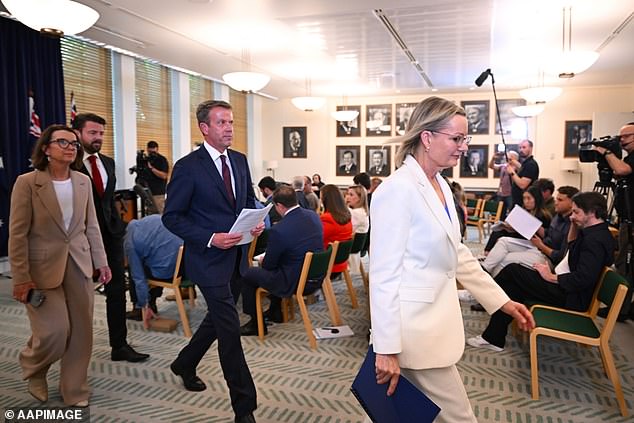
The Liberal Party has officially moved away from its commitment to achieving net-zero emissions by 2050, signaling a significant shift in its climate policy. This decision comes after weeks of internal debate and a tense five-hour meeting between all 51 Liberal MPs and senators on Wednesday. Leader Sussan Ley announced the party’s new stance, which includes rejecting the 43% 2030 emissions reduction target and the 2050 net-zero goal.
Ley emphasized that Australians deserve affordable energy and responsible emissions reductions, stating that “affordable energy must come first.” She criticized the Labor government for what she called a “trifecta of failures” — rising prices, declining reliability, and stagnant emissions. According to her, Labor’s policies of mandates and taxes have hurt businesses and increased costs for consumers.
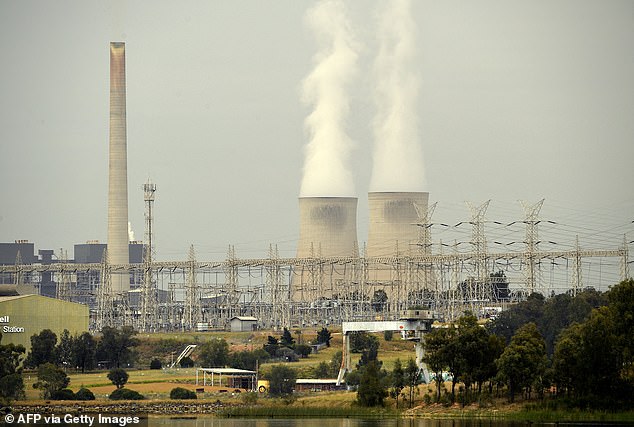
Energy spokesman Dan Tehan confirmed that the party is not opposed to building new coal power stations. He described the approach as “technology agnostic,” meaning the market will determine how energy needs are met. The party also supports extending the life of existing coal plants, with Tehan noting that state governments are already doing so to maintain grid stability.
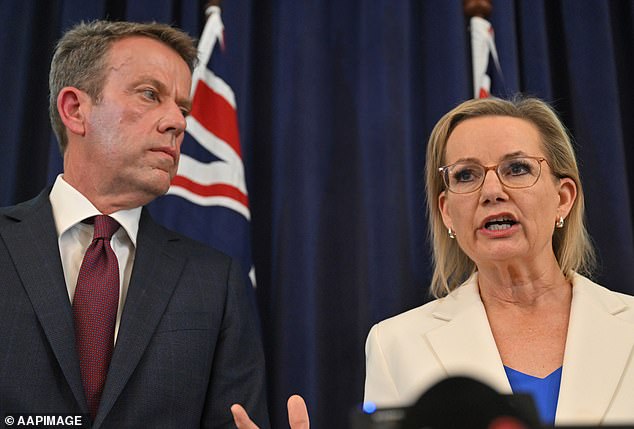
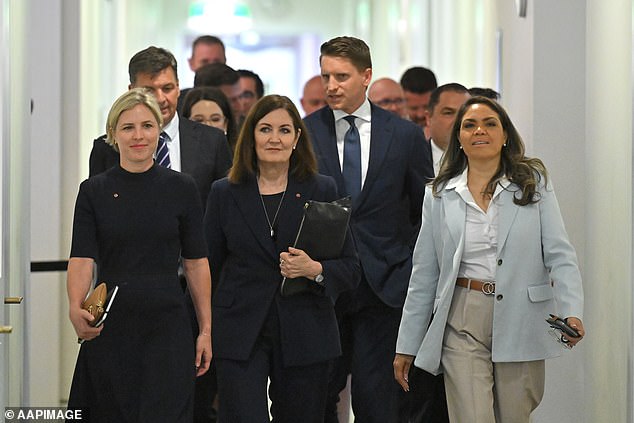
Senator Anne Ruston warned that phasing out coal too quickly could destabilize the grid. She pointed out that state governments are extending coal plant lifespans to ensure reliable electricity supply. “It demonstrates that you need baseload power… it is what keeps the lights on,” she said.
Despite this shift, the Liberal Party remains committed to the Paris Agreement, which requires members to increase their emissions targets every five years. The party pledged to continue annual emissions cuts “in line with comparable countries and as fast and as far as technologies allow without imposing mandated costs.”
Ley reiterated that the party’s emissions reduction goals will never come at the expense of Australian families. She emphasized that the principle guiding all decisions will be ensuring affordability and reliability for households.
Policy Shift Sparks Internal Divisions
This change has sparked tension within the Liberal Party, particularly among moderates who fear losing support in key urban electorates. The party now plans to negotiate a shared position with the Nationals on Sunday, aiming to present a united front against the Labor Party.
Nationals leader David Littleproud welcomed the “technology agnostic approach,” which opens the door to nuclear energy. He argued that no country of Australia’s scale has successfully transitioned to an all-renewables model. “We’re saying: let’s invest in all the technologies, spread our risk, reduce our emissions, live up to our international commitments, do our fair share, but not put you on a $9 trillion bill that will put Medicare and the NDIS at risk when there are alternatives.”
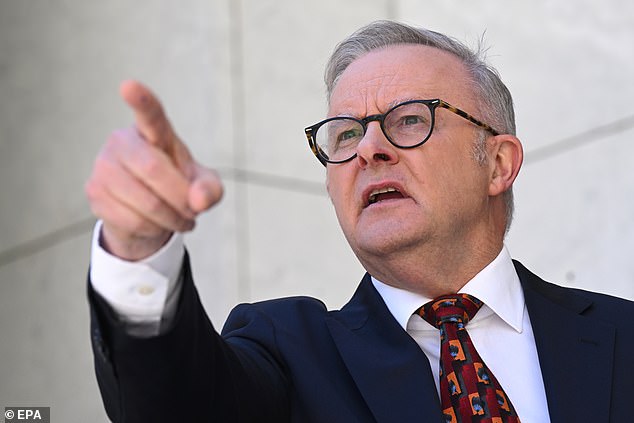
Prime Minister Anthony Albanese condemned the opposition’s move, calling it a step backward. He accused the Liberals of not believing in the science of climate change and warned that such infighting would harm Australia’s energy and climate policies.

Climate Council chief executive Amanda McKenzie argued that the decision would lead to higher power prices. She criticized the Coalition for ignoring the demand for meaningful climate action, stating that “you can’t win elections by ignoring voters who want meaningful climate action.”
Reactions and Implications
One Nation leader Pauline Hanson criticized the Liberals for sticking to the Paris Agreement, claiming that scrapping net-zero means leaving the agreement. “Anything less is a con,” she said, adding that One Nation supports a clear policy that prioritizes lower power prices and better energy security.
Achieving net-zero involves balancing greenhouse gas emissions produced by human activity with those removed from the atmosphere. The Labor government has set a 2050 deadline for this goal, along with an interim target under the Paris Agreement of reducing emissions by 62–70% by 2035 compared to 2005 levels.
The Liberal Party’s new direction raises questions about the future of Australia’s climate policy and energy strategy. With the Nationals now involved in shaping a joint platform, the political landscape is shifting, and the implications for both the environment and the economy remain uncertain.