Liberals Plan to Scrap Net Zero, Expand Coal, Back Nuclear
Liberal Party Struggles with Internal Divisions Over Climate Policy
The Liberal Party in Australia is facing significant internal divisions as it moves closer to a decision on its climate policy. Despite efforts by frontbenchers to reach a consensus, the party remains split over whether to abandon its net-zero emissions target by 2050. The potential shift includes extending coal-fired power and embracing nuclear energy, which is expected to be announced following a meeting of the shadow cabinet in Canberra.
A five-hour session involving all 51 Liberal MPs and senators revealed that a majority supported moving away from the net-zero goal. This development has been championed by the conservative faction within the party, marking a setback for moderate members who fear this change could hurt their chances of winning back key inner-city electorates.
South Australian Senator Andrew McLachlan expressed his concerns, stating, "You're wrong" when asked about the potential electoral benefits of scrapping net-zero. He emphasized that both the community and business sectors have moved on from such policies. Despite his disagreement, McLachlan affirmed his commitment to the Liberal Party.
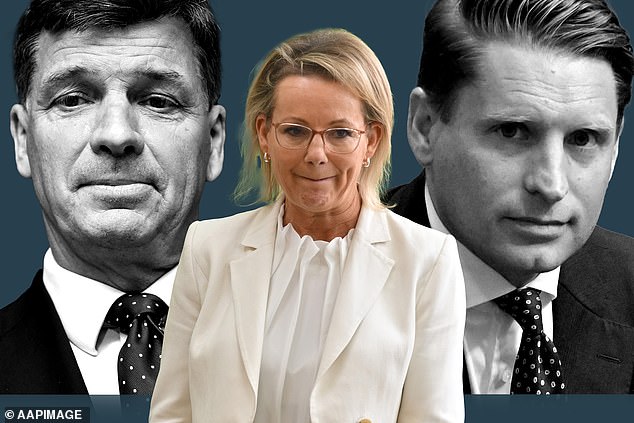
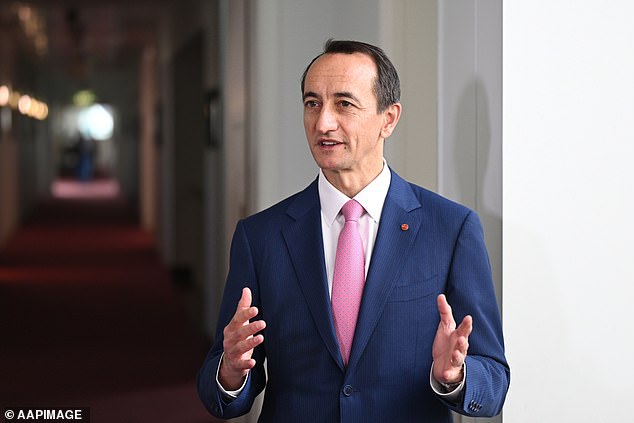
Moderate frontbenchers like NSW Senators Andrew Bragg and Maria Kovacic have indicated they may struggle to remain in the shadow cabinet if the party decides to move away from the 2050 net-zero target. Fellow moderate Senator Dave Sharma acknowledged respecting the majority view, even though it differs from his own. He pledged to support whatever decision the party makes.
Opposition Leader Sussan Ley has faced pressure as the party debates its stance on climate policy. While she described the meeting as "excellent," she did not address whether her colleagues were united on the issue. Western Sydney MP Melissa McIntosh, however, expressed confidence in Ley's leadership, stating that her position was safe.
Energy spokesman Dan Tehan outlined ten principles guiding the party's decision, including the need to ensure a stable and affordable power supply while taking some action to reduce emissions. The list also includes plans to extend the life of aging coal plants, lift the ban on nuclear power, and scrap several Labor policies deemed as "sneaky carbon taxes."
Although the Liberals are expected to retain an aspiration to achieve net-zero emissions, it will not be by 2050 as currently legislated. Senator Sharma confirmed the party's commitment to the Paris Agreement, but the practical implications of this commitment remain unclear given the agreement's requirements for continuous climate ambition.
Once the policy is announced, the party will need to negotiate a shared position with its coalition partner, the Nationals. A joint partyroom meeting is scheduled for Sunday, where the political allies are expected to finalize their approach on the issue.
Former Prime Minister Tony Abbott, who signed Australia up to the Paris Agreement in 2015, expressed support for the Liberal Party's direction. He argued that cutting emissions should not take precedence over job preservation, industrial growth, and affordability for citizens.