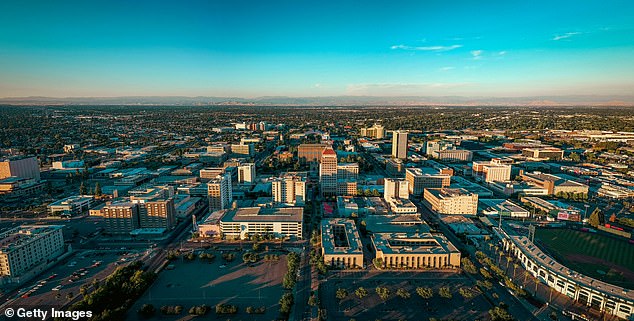
Locals in California City Furious Over 9,000-Acre 'Asinine' Development Threatening Environment
Community Resistance to a Massive Housing Project in Fresno
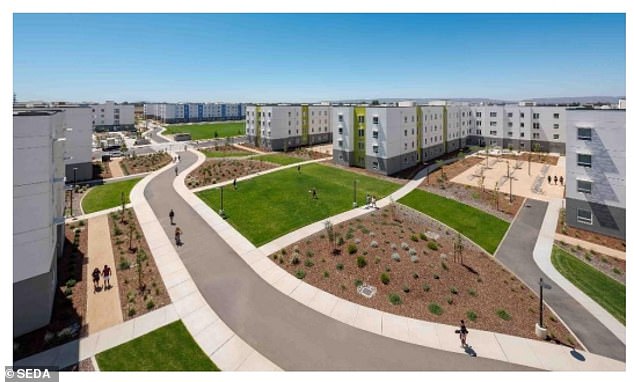
Residents of Fresno, a city in California's San Joaquin Valley, are raising concerns about a proposed 9,000-acre housing project that could cost billions of dollars and significantly impact their quality of life. The development, known as the Southeast Development Area (SEDA), aims to add 45,000 housing units to the city. However, many locals argue that this plan is not only financially unfeasible but also environmentally and socially damaging.
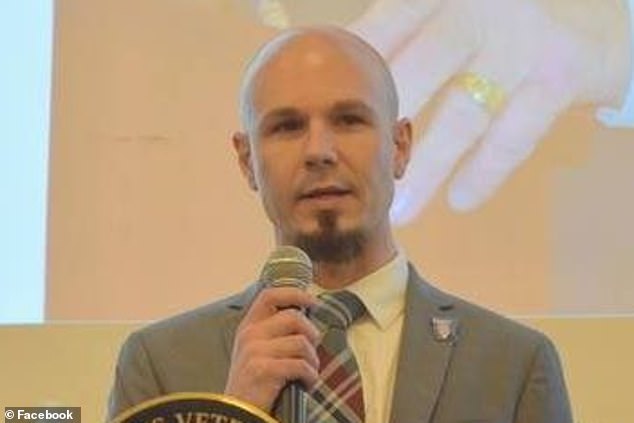
Dillon Savory, the executive director of the Fresno-Madera-Tulare-Kings Central Labor Council, has voiced strong opposition to the project. He claims that SEDA would lead to unintended consequences and contribute to the city’s already poor urban planning. "It doesn't pay for itself, and sprawl development in Fresno is why Fresno is one of the worst-planned cities in America," Savory said. "Nobody wants to be here."
Sprawl development typically refers to low-density single-family housing that spreads out across a city’s outskirts. This type of growth can lead to increased traffic, environmental degradation, and a loss of community cohesion. Preparing the land for SEDA is estimated to cost $2.2 billion, with the entire project potentially reaching $4 billion. Savory argues that the project would take land away from local family farmers, who he describes as being "exploited" in a way that is "absolutely asinine."
"These are residential farmers," Savory added. "They're generally interested in the soil quality and preserving the rural way of life." Farmers within the SEDA area have echoed these concerns. Helen Ramming, a farmer living in the designated zone, told GV Wire that the project threatens to destroy some of the best farmland in the world. "The biggest concern is that they are taking 9,000 acres of some of the best farmland in the world," she said.
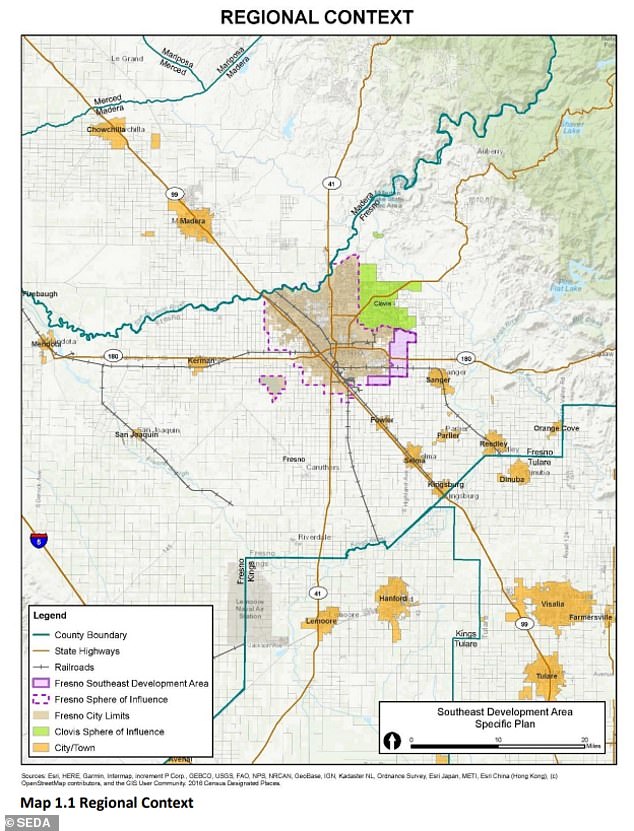
Fresno, located approximately 220 miles north of Los Angeles and 185 miles southeast of San Francisco, has a population of around 544,000 people, making it the fifth most populous city in California. The SEDA plan was presented as a solution to the city’s growing housing crisis, which has been driven by rising rent and housing costs. Tyler Maxwell, a Fresno councilmember, emphasized the need for responsible growth during a November 6 meeting. "This city has a long history of growing irresponsibly that so many folks have been afraid to grow, period, even though the housing crisis that our state and our city faces pretty much necessitate that we grow as a city," he said.
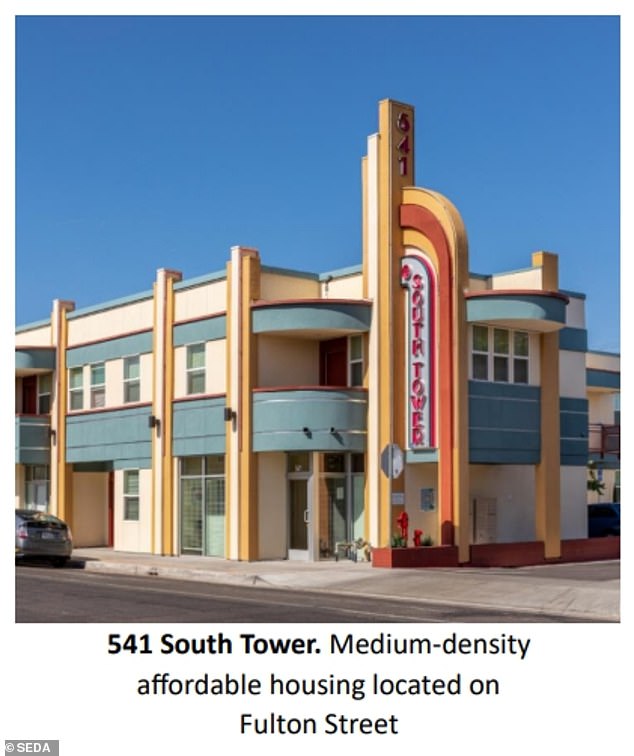
Another councilmember, Mike Karbassi, argued that increasing housing supply would help reduce costs for residents. "The best, most pro-housing thing we can do is to increase supply," he said. The proposal states that SEDA would focus on creating mixed-income neighborhoods with diverse housing types that remain affordable.
However, the timeline for the project remains uncertain. SEDA first needs approval from the city's planning commission, whose next meeting is scheduled for November 19. Savory believes opponents of the plan have the political influence to apply pressure on lawmakers. "All of those people in their districts are going to be calling them and say, 'How come you want to send $100 million-to-$3 billion to developers so you can build these cardboard houses for upper middle class?'" he said.
According to Fresnoland, the project might not be completed until 2082 at its current pace. Additionally, questions have been raised about the impact of SEDA on Fresno's air quality. The city is already among the top five most polluted areas in the U.S., and the project could worsen this situation. The latest environmental review indicated that SEDA could increase the frequency or severity of existing air quality violations or delay timely attainment of clean air standards.
The American Lung Association gave Fresno an F grade for air pollution, which is linked to serious health issues such as premature birth, heart attacks, strokes, and lung cancer. As the debate over SEDA continues, the community remains divided between those who see it as a necessary step toward addressing the housing crisis and those who fear its long-term consequences.