London's Congestion Charge Rises to £18 Next Year, Including EV Drivers
London's Congestion Charge to Rise, Electric Vehicle Owners Face New Costs
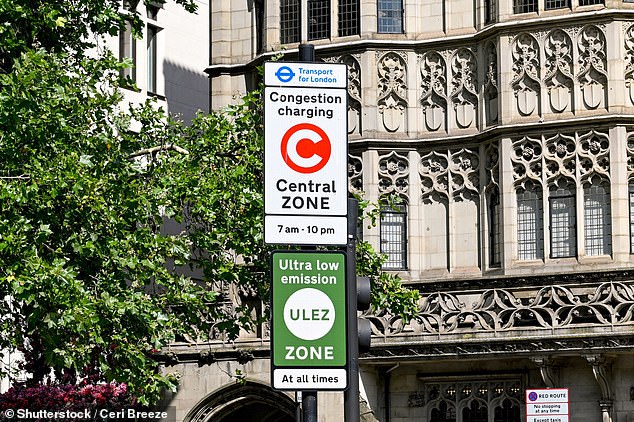
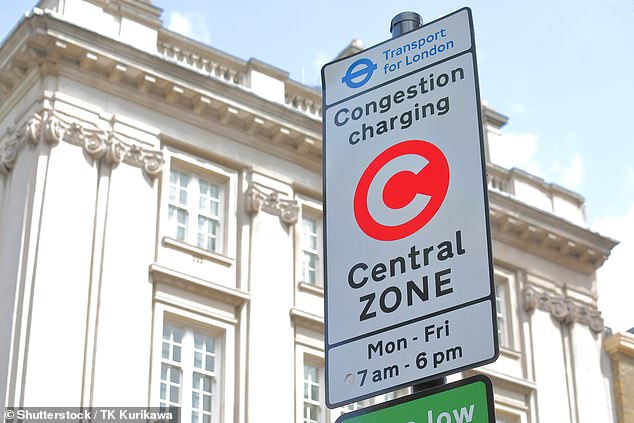
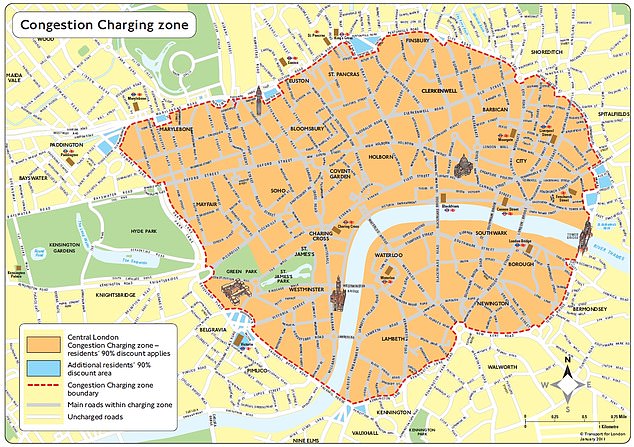
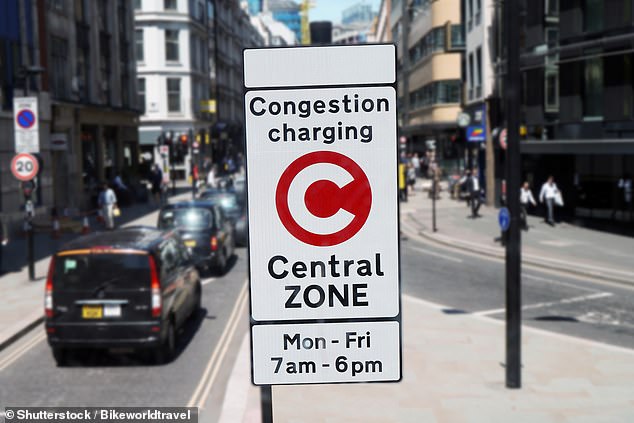
Starting from 2 January 2026, the London Congestion Charge will increase by 20 per cent, raising the daily fee from £15 to £18. This is the first increase since 2020 and marks a significant shift in how vehicle owners are charged for driving in central London.
For drivers of older vehicles, the combined cost of the congestion charge and the Ultra-Low Emission Zone (ULEZ) charge will reach £30.50 per day. Over 253 working days, this could add up to an extra £759 compared to 2025. The rise has sparked concerns among motoring experts, who argue that it may discourage electric vehicle (EV) adoption.
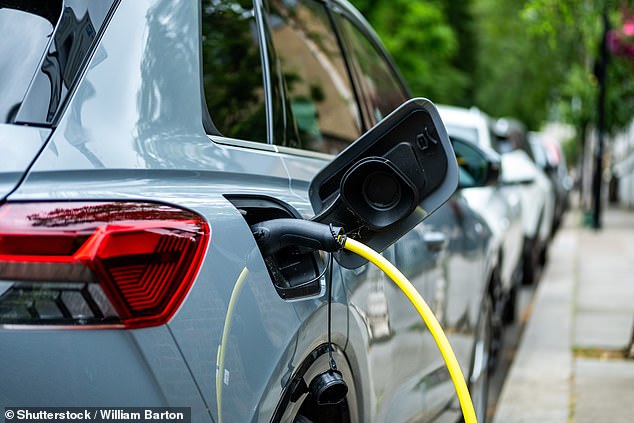
Transport for London (TfL) has also announced the removal of the 100 per cent Cleaner Vehicle Discount for EVs, which has been in place since 2003. Instead, a new tiered system will be introduced, offering discounts based on vehicle type. From 2 January 2026, EV owners will pay £13.50 per day, with a 25 per cent discount available only for those registered with TfL’s Auto Pay system.
Electric vans, heavy goods vehicles (HGVs), and quadricycles will receive a 50 per cent concession, bringing their daily cost down to £9. However, these discounts will be reduced again in 2030, with EVs facing a 12.5 per cent discount and HGVs and vans receiving 25 per cent.
Residents moving into the congestion zone after 1 March 2027 will no longer qualify for the 90 per cent Residents’ Discount unless they own an EV. Low-income residents and disabled individuals will still be eligible for the discount until 2030, but this change signals a broader shift in policy.

Impact on Electric Vehicle Owners
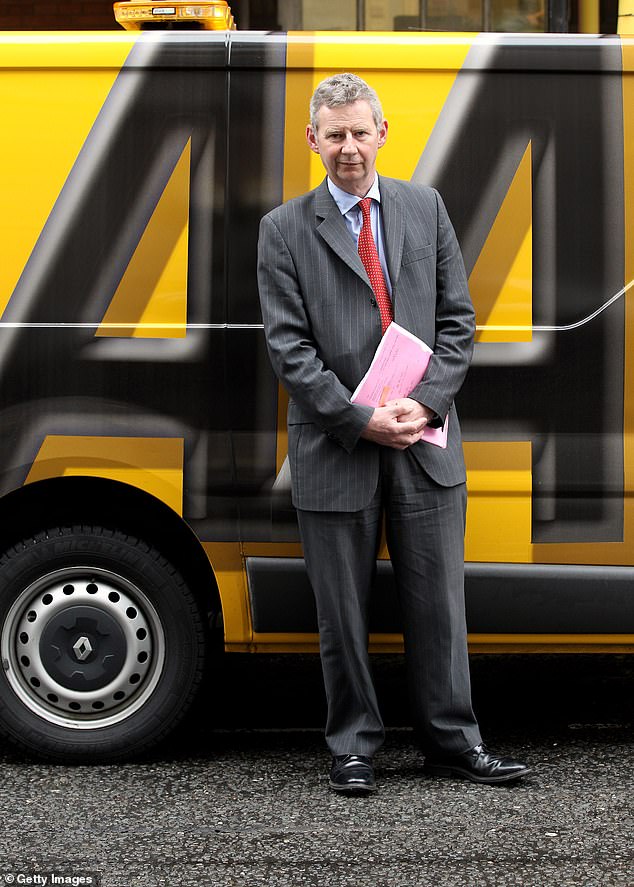
The new policy has been met with criticism from motoring groups and experts. Edmund King, president of the AA, called the move a “backward step” that could harm air quality in London. He argued that incentives are still needed to encourage more drivers to switch to electric vehicles.
Ginny Buckley, CEO of Electrifying.com, said removing exemptions for EVs sends a confusing signal. “You can’t champion clean air while penalising the vehicles that deliver it,” she said.
Toby Poston, CEO of the British Vehicle Rental and Leasing Association (BVRLA), warned that the decision could be a “hammer blow” for EV users already facing challenges with charging infrastructure and costs.
TfL claims that the changes will help manage traffic flow and reduce congestion. It estimates that without the adjustments, there could be over 2,000 additional vehicles in the congestion zone on an average weekday. This could lead to more queues and delays, undermining the benefits of the scheme.
Public Reaction and Future Plans
A recent poll by Auto Express found that 80 per cent of drivers believe the £18 daily charge is unfair. More than 85 per cent felt that motorists are being unfairly targeted by transport policies, with half admitting to avoiding certain cities or routes to avoid tolls.
While opinions were divided on whether EVs should pay the congestion charge, the overall sentiment was mixed. Some supported the idea, while others believed EVs should remain exempt.
Christina Calderato, TfL’s director of strategy, stated that the changes aim to balance the needs of drivers, businesses, and the environment. “We must support Londoners and businesses to use more sustainable travel,” she said.
In addition to the congestion charge, the UK government plans to introduce road pricing for EVs in 2028. Under this plan, EV owners will be charged 3p per mile, on top of the £195 annual Vehicle Excise Duty (VED) they already pay. This could result in an annual tax of £495 for average EV drivers.
Hybrid car owners may also face similar charges, though at a lower rate. The policy is expected to generate £1.8 billion for the Treasury by 2031.