London's Toll Hike Impacts All Drivers
Electric vehicle (EV) drivers in London will face a new daily congestion charge starting next year, marking a significant shift in the city's approach to managing traffic. This change has sparked criticism from various groups, who view it as a "backward step" in the push for sustainable transportation.
The Congestion Charge, which has been in place for several years, is set to increase in January 2026. While petrol and diesel vehicles have long been subject to this fee, EVs have enjoyed a 100% discount until now. The move aims to address growing concerns about road congestion, with TfL stating that around 2,200 additional cars could be on the roads daily if the charge is not increased.
How is the Congestion Charge Changing for EVs?
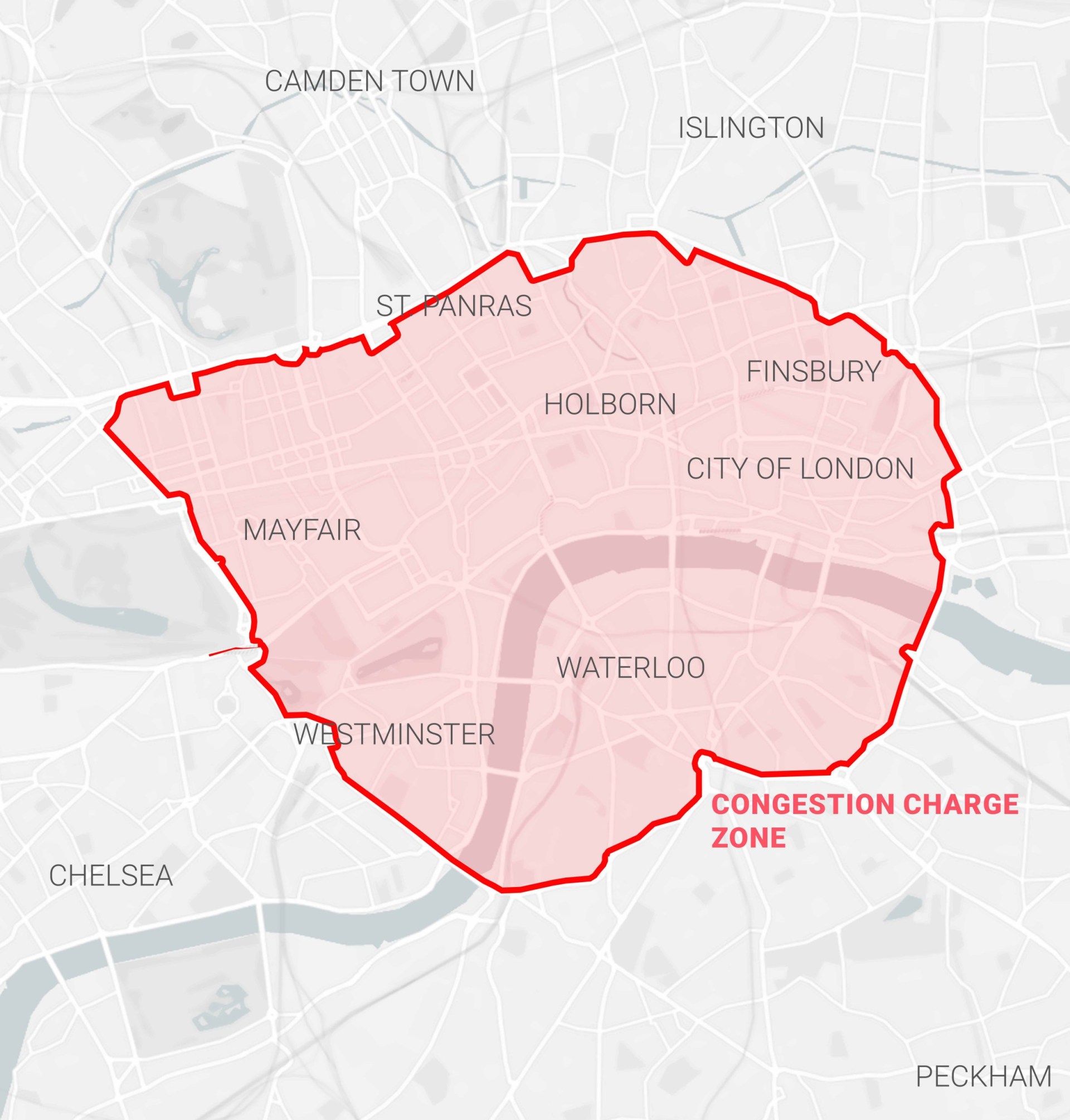
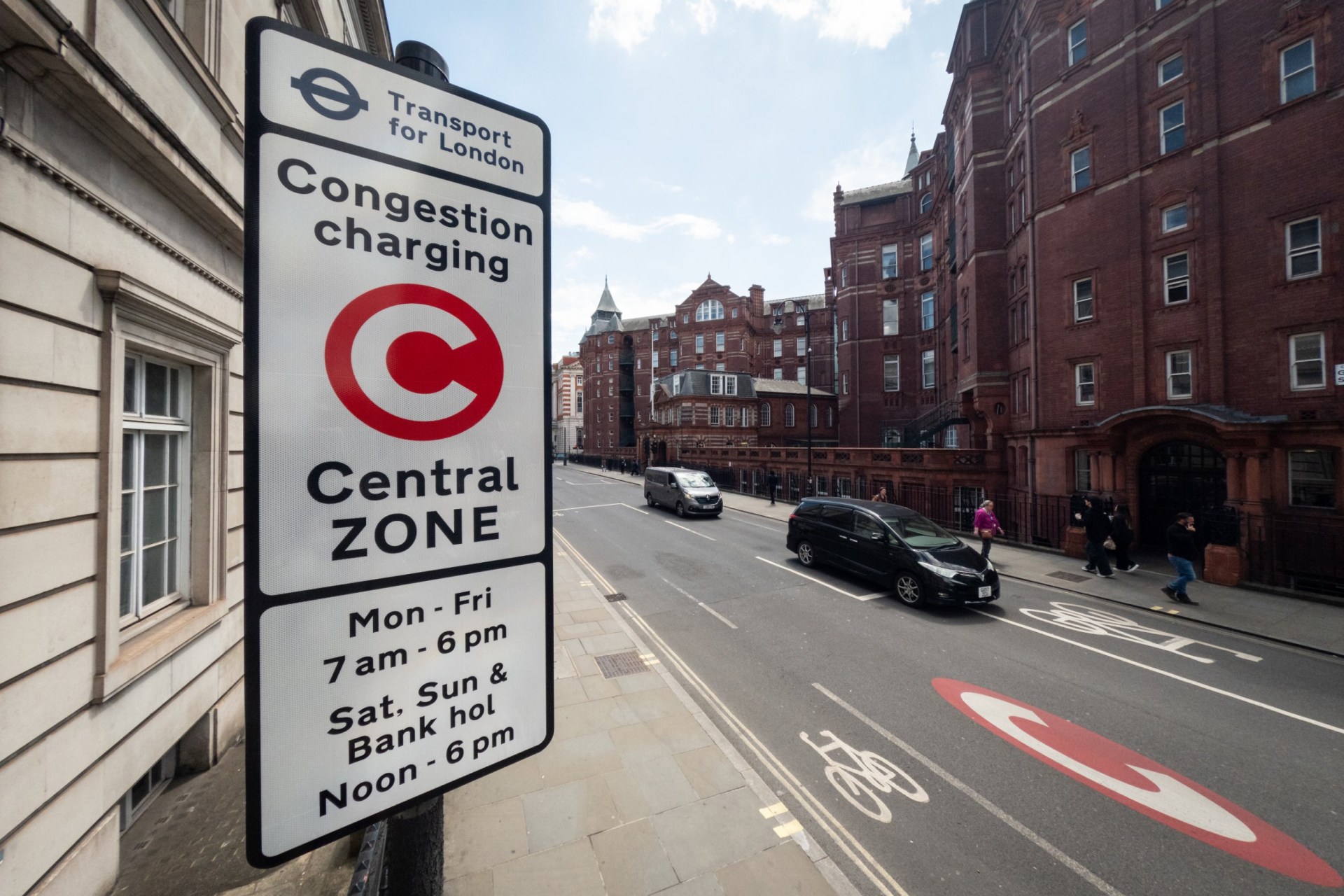
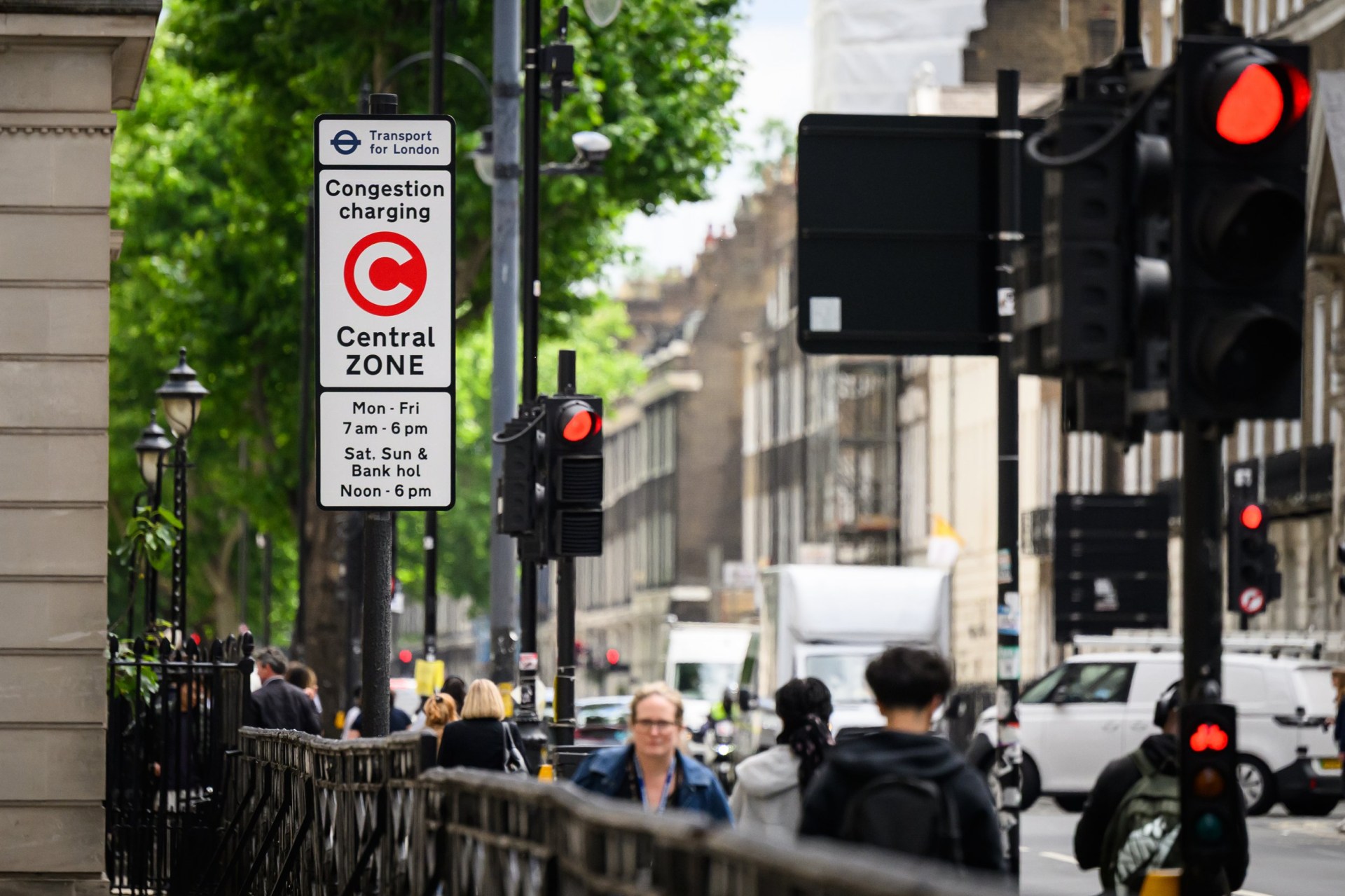
From January 2, 2026, EV owners will be required to pay £13.50 per day to enter the Congestion Charge zone, marked by red and white letter C signs. Petrol and diesel vehicles will see their fees rise from £15 to £18. However, EV drivers can still benefit from discounts if they sign up for the London Auto Pay system, which automatically deducts the fee from their bank account.
- Electric vans and lorries will receive a 50% discount.
- Electric cars will get a 25% discount.
These discounts will be further reduced from March 4, 2030. At that point, electric vans will receive a 25% discount, while electric cars will only get a 12.5% discount.
Until now, the Cleaner Vehicle Discount (CVD) scheme provided full incentives for EVs. However, this full discount is set to end in December, although the Mayor of London has indicated that some form of partial discount will remain.
Driving an electric car in the congestion zone could cost an estimated £3,000 annually, according to recent reports.
Why is the Congestion Charge Going Up?
TfL claims that increasing the Congestion Charge is necessary to prevent further road congestion. Without the increase, the city could see an additional 2,200 vehicles entering the zone daily, making the current system "fit for purpose."
However, critics argue that this decision may hinder London’s progress toward electrification and net zero targets. They warn that it could negatively impact workers and businesses that rely on electric vehicles.
Sadiq Khan, the Mayor of London, stated: “Keeping London moving by reducing congestion is vital for our city and for our economy. While the congestion charge has been a huge success since its introduction, we must ensure it stays fit for purpose.”
Reactions from Campaigners
The Electric London Coalition, representing over 30 organizations, expressed concern that the reduction in incentives could undermine driver confidence, especially with expected tax rises in the autumn budget.
Edmund King OBE, president of the AA, criticized the move, calling it a "backward step" that could harm air quality. He emphasized the need for continued support to help drivers transition to electric vehicles.
Steve Garelick from the GMB Union highlighted the unfairness of the policy, particularly for essential workers such as couriers and private hire drivers. He argued that these individuals are being penalized for doing the right thing by using electric vehicles.
Other Charges in London
In addition to the Congestion Charge, London also operates several other charges:
- Direct Vision Standard (DVS): Applies to lorries over 12 tonnes at all times.
- Congestion Charge (CC): Operates between 7am-6pm during weekdays and 12pm-6pm on weekends and bank holidays in central London. No charge is applied between Christmas Day and New Year’s Day.
- ULEZ (Ultra Low Emission Zone): Operates 24 hours a day, every day except on Christmas Day.
- LEZ (Low Emission Zone): Operates 24 hours a day, every day of the year.
- Blackwall and Silvertown tunnel charges: Applies to each crossing between 6am and 10pm every day of the year, except Christmas Day.
What's Next?
With the changes set to take effect, many residents and businesses are concerned about the financial impact. Some low-income residents may still qualify for higher discounts, but eligibility details are yet to be fully clarified.
As the number of electric vehicles on British roads continues to grow, with over a million EVs currently registered, the future of urban mobility in London remains a topic of intense debate. The city faces the challenge of balancing environmental goals with the needs of its residents and businesses.