'Mamma Mia!': Italians Shocked by Canned Carbonara
The Canned Controversy: Heinz's Spaghetti Carbonara Sparks Italian Outrage
The latest move by Heinz, a US-based food giant known for its ketchup, baked beans, and spaghetti hoops, has sparked a fierce backlash from Italians across the country. The company has introduced a new product: Heinz spaghetti carbonara in a can, set to be available in UK supermarkets this month with a price tag of £2 (€2.37). This move has ignited a firestorm among Italian food purists, who see it as a betrayal of one of their most cherished culinary traditions.
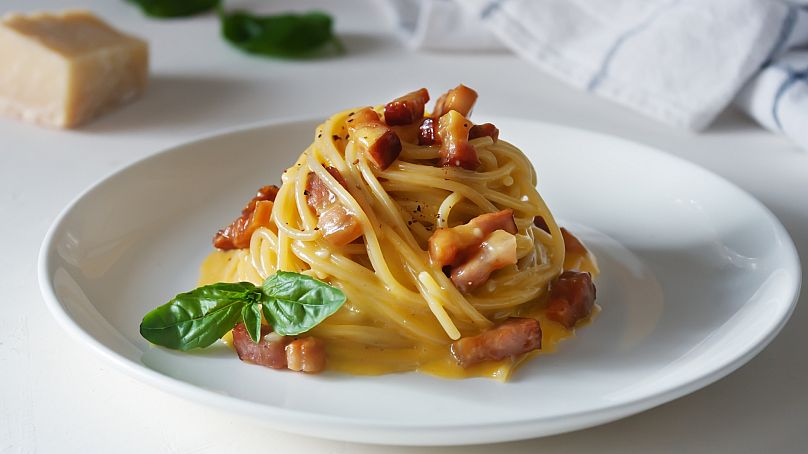
According to Heinz, the canned pasta is described as "pasta in a creamy sauce with pancetta," marketed as a quick and satisfying meal for home consumption. However, the idea of putting carbonara into a can has been met with outrage, especially in Italy. For many, this is not just a matter of taste but of cultural identity.
Alessandro Pipero, the head chef of Michelin-starred restaurant Pipero in Rome, called the product "cat food" in an interview with The Times. His comments reflect the deep-seated sentiment among Italian chefs and food lovers who view any deviation from traditional recipes as a form of culinary sacrilege.
The Rules of Carbonara
Carbonara, a classic Roman dish, has strict rules that even the most casual foodie knows. Any true-blooded Italian will tell you that the dish requires only five ingredients: pasta (usually spaghetti or bucatini), guanciale (peppered cheek from a specific breed of pig), pecorino romano cheese, egg yolks, and black pepper. The addition of garlic or cream is considered a cardinal sin by many.
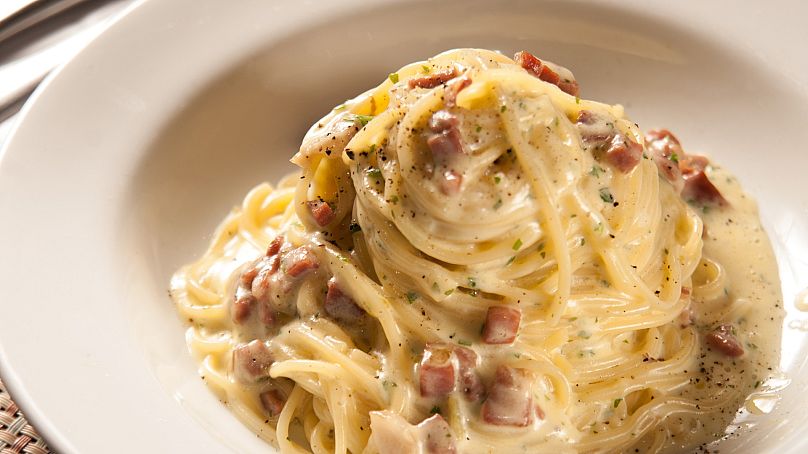
Heinz’s version of carbonara violates at least two of these rules. Not only does it use pancetta instead of guanciale, but it also adds cream — a move that has shocked traditionalists. What makes the situation worse is that the dish is being sold in a can, a practice that some argue takes away the very essence of what makes carbonara special.
A History of Debate
Despite the controversy, some experts argue that the concept of carbonara being a sacred recipe is somewhat misplaced. Food history professor Alberto Grandi has pointed out that carbonara is less than a century old. The most widely accepted origin story credits Renato Gualandi, an Italian Army cook, who combined elements of pasta gricia (an eggless version) with American ingredients like powdered egg yolks in 1944 for US soldiers.
Interestingly, the oldest known recipe for carbonara isn’t even from Italy. It appears in a 1952 Chicago cookbook that uses bacon instead of guanciale. However, Italians often point to cacio e uova, a Neapolitan dish made with melted lard, beaten raw eggs, and cheese, as the precursor to carbonara. This dish was documented in Ippolito Cavalcanti’s 1839 Neapolitan cookbook.
Who Owns Carbonara?
The question of who owns the recipe for carbonara remains a contentious one. While some claim it originated in Naples, others argue it became popular in Rome after World War II, especially among American soldiers. La Stampa, a prominent Italian newspaper, mentioned carbonara as early as 1950, often describing it as a Roman dish.
However, the debate over ownership extends beyond geography. Some argue that the dish should be free to evolve, especially if it brings convenience and affordability to consumers. Heinz’s canned version, for instance, has already sold out, indicating strong demand.
The Cultural Clash
While the Italian reaction to Heinz’s product is understandable, it raises broader questions about how cultures protect their culinary heritage. Should traditional recipes be preserved in their original form, or is it acceptable for them to be adapted for modern tastes and lifestyles?
Food historian Alberto Grandi believes that Italy’s approach to its culinary identity — treating dishes like carbonara as unchangeable — is outdated. He argues that recipes have always evolved over time, with ingredients added or removed based on availability and preference.
Ultimately, the question remains: If the Americans played a key role in the creation of carbonara, who are the Italians to stop them from creating a more affordable, convenient version? After all, food is meant to be shared, adapted, and enjoyed — even if it means putting it in a can.
