Markets React to Britain After Reeves Abandons Tax Hike Plan Amid Starmer's Concerns
The Political and Economic Turmoil Surrounding the UK Budget
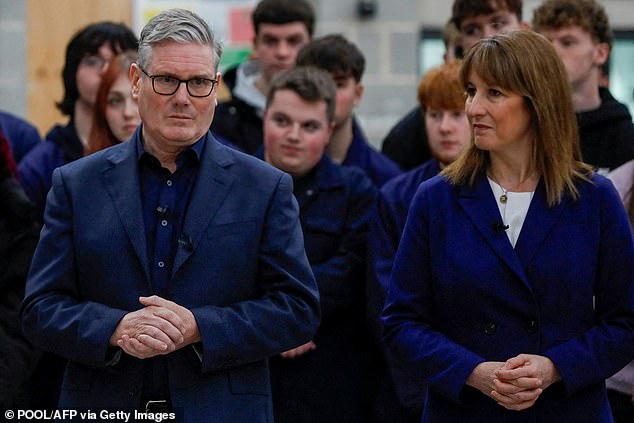
The recent developments in the UK’s fiscal policy have created a wave of uncertainty, with significant implications for both the political landscape and the economy. At the center of this storm is Rachel Reeves, the Chancellor of the Exchequer, whose decision to abandon plans to raise income tax has sparked intense debate and speculation about the future direction of the Labour government.
Wes Streeting, the Health Secretary, has emerged as a key figure in this unfolding drama. His public stance against the proposed tax hike has been interpreted as a challenge to the leadership of Sir Keir Starmer, the Prime Minister. This move could further destabilize an already fragile political environment, as internal divisions within the Labour Party grow more pronounced.
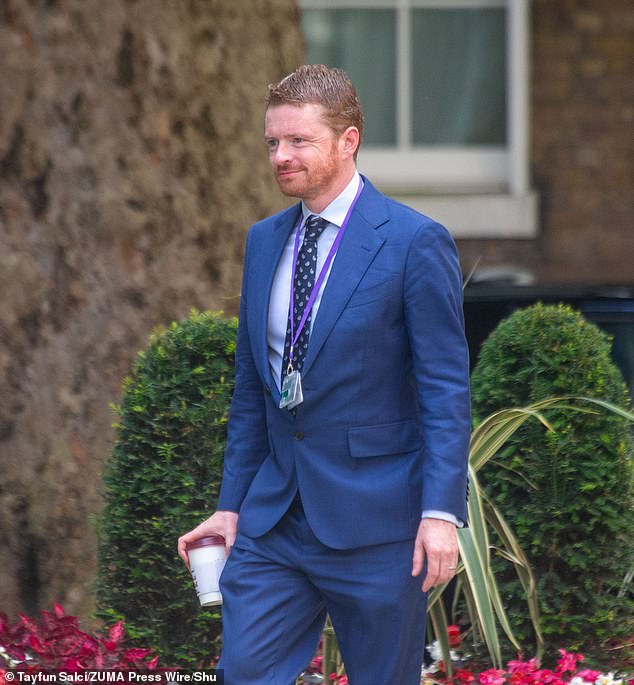
The Treasury has faced criticism for its lack of coordination and clarity in communicating its policies ahead of the Budget. There are reports that blame is being directed at Treasury minister Torsten Bell and No10 chief of staff Morgan McSweeney, who are seen as responsible for the disarray. This internal conflict has not gone unnoticed by the markets, which have reacted negatively to the uncertainty surrounding the Budget.
The Pound has suffered a decline following the latest U-turn, while interest rates on gilts have spiked. Although these rates have since eased slightly, the initial reaction highlights the growing concerns among investors about the government’s ability to manage the economy effectively.
Government sources have attempted to reassure the public by stating that the change in policy was due to more optimistic forecasts from the Office for Budget Responsibility (OBR). However, this explanation has done little to quell the fears of analysts and economists, who warn that the UK could be facing a 'credibility shock' as a result of the infighting and contradictions within the government.
The Impact on the Economy and Public Trust
The situation has raised serious concerns about the credibility of the government's fiscal policies. Even Labour's own think-tanks have expressed alarm over the lack of coherence in the Budget planning process. The Resolution Foundation, for example, has warned that the way economic forecasts and policies are being communicated is causing unnecessary damage to the country.
Analysts suggest that the government may now be considering alternative measures to address the £40 billion fiscal gap, including cutting tax thresholds. This would represent a significant expansion of the so-called 'stealth raid,' a policy that has been criticized for placing additional burdens on working people.
Nigel Green, CEO of deVere Group, has warned that mixed signals from the government are spooking the markets. He argues that the current situation resembles the instability seen during the Truss administration, where investors were quick to react to perceived indecision.
The Financial Times has reported that the Chancellor is considering various options to raise revenue, including a new gambling levy and higher taxes on expensive properties. These measures could have far-reaching consequences for different sectors of the economy.
The Political Fallout
The internal conflicts within the Labour Party have also had a direct impact on the leadership of Sir Keir Starmer. The recent episode involving a pre-emptive strike against Cabinet ministers threatening to challenge his leadership has further weakened his position. Wes Streeting, who was the main target of this attack, has called for the dismissal of those responsible for the briefings, accusing Downing Street of 'self-destruction.'
Despite these challenges, Streeting has maintained a level of composure, emphasizing the importance of rebuilding trust in politics. He has stated that the government must focus on both economic recovery and restoring public confidence.
However, there are growing calls for Starmer to take decisive action, with some suggesting that he needs to get rid of his chief of staff, Morgan McSweeney, and start listening to his MPs. The analogy of firing a gun in the Alps and causing an avalanche has been used to illustrate the potential consequences of such actions.
The Future of the Budget and Fiscal Policy
As the Budget approaches, the government faces the daunting task of addressing a significant fiscal gap. The Chancellor is expected to adopt a 'smorgasbord' approach, making small adjustments to the tax code to generate additional revenue. This could include measures such as increasing taxes on high-value properties and introducing a new gambling levy.
The Cabinet is reportedly deeply divided on the best course of action, with some members advocating for more drastic measures and others preferring a more cautious approach. As a result, the government has reportedly drafted two versions of the Budget: one that openly breaks the manifesto and another that takes a more subtle approach.
The Treasury has emphasized that it will deliver a Budget that makes fair choices to secure Britain's future. However, the ongoing uncertainty has left many questioning whether the government is capable of delivering on its promises.
In the meantime, the economic outlook remains bleak, with unemployment reaching its highest level in over four years and GDP showing signs of stagnation. These factors could further complicate the government's efforts to navigate the challenges ahead.
