Martial Arts, Wellness, and Elephants: Why Kerala Awaits Your Journey
Kerala: A Destination for Wellness, Culture, and Natural Beauty
As global travelers seek experiences that nourish both body and mind, Kerala is emerging as a must-visit destination. Known as "God's Own Country," the southern Indian state is renowned for its backwaters, beaches, and lush landscapes. However, Kerala is now positioning itself as more than just a scenic getaway—it’s becoming a hub for wellness, sustainability, culture, and spiritual growth.
At the World Travel Market in London, Euronews Travel spoke with Sreedhanya Suresh, the additional director general of tourism for Kerala, to learn more about how the region is evolving beyond its traditional offerings.
“Kerala has backwaters, beaches, waterfalls, hill stations, spice gardens, and forests,” she said. “Whatever a person wants to experience, Kerala can provide it. We have everything—it’s a complete package. Each of our 14 districts has its own potential and tourism identity.”
A Destination of Endless Variety
From the palm-lined shores of Varkala to the misty rolling hills of Munnar, Kerala’s biggest strength may be its diversity. “Even if someone wants to visit the beach one day and a forest the next, we can make that happen,” Suresh explained. “Visitors can comfortably spend two weeks moving through different regions, enjoying a new experience each day.”
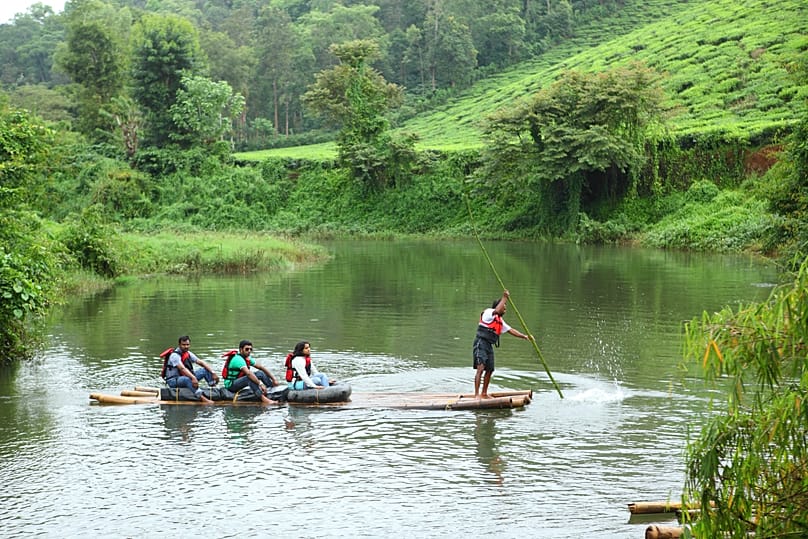
Among Kerala’s signature attractions are its famed backwaters, a labyrinth of canals, lagoons, and lakes, spanning more than 900km of waterways. The backwaters are a living ecosystem, home to traditional rice paddies, coconut groves, and mangroves teeming with birdlife. Local fishermen paddle canoes at dawn, while small floating markets offer everything from fresh spices to handwoven mats.
“Backwaters are endemic to Kerala—you’ll only find them here,” she said. “In places like Alappuzha, visitors can travel for kilometres by houseboat, watching village life unfold along the banks. It’s a peaceful and authentic way to experience nature.”
Wellness, Martial Arts, and Ancient Traditions
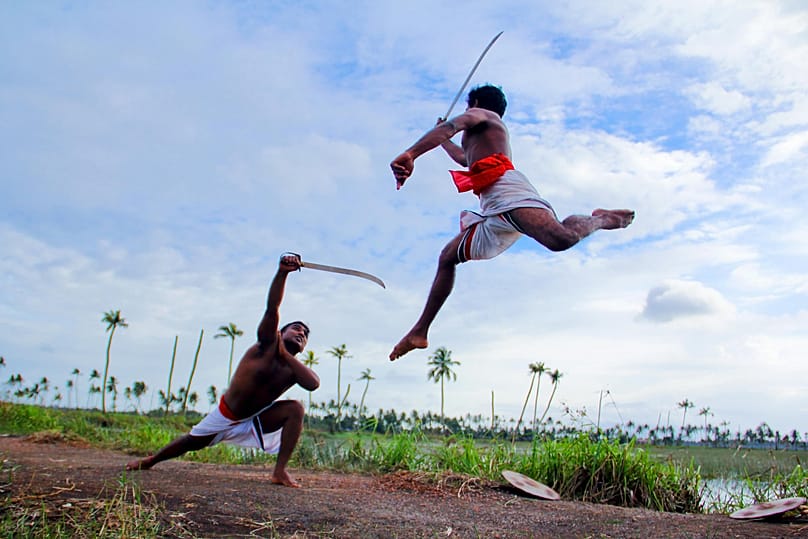
While Kerala’s natural beauty draws millions each year, the state is equally proud of its centuries-old cultural heritage. Suresh highlights Kalaripayattu, Kerala’s traditional martial art—an ancient practice that originated during the 3rd century BCE, combining athleticism, discipline, and spirituality.
“It involves meditation, yoga, breathing, and body movements,” she said. “Practitioners train for years to master the techniques using weapons like sticks and knives. It improves body strength, concentration, and mindfulness—it’s a true mind-body discipline.”
Kerala is also regarded as the birthplace of Ayurveda, India’s ancient system of natural healing. Wellness travelers can find authentic Ayurvedic treatments across the state, from luxury resorts to village clinics.
“Ayurveda is based on plant medicine,” Suresh explained. “Whether you have a fracture or other health issues, Ayurveda provides natural, holistic treatments that can promote healing and wellness.”
Festivals That Bring the State to Life
Few destinations celebrate their culture as vividly as Kerala. The calendar is packed with festivals, performances, and rituals—many of which date back hundreds of years. One of the largest, Thrissur Pooram, is held every year in the Malayalam month of Medam (April to May) and draws massive crowds for its spectacular parades of elephants and percussion ensembles. It's held at the ancient Hindu Vadakkunnathan Temple in Thrissur and sees more than 1 million visitors.
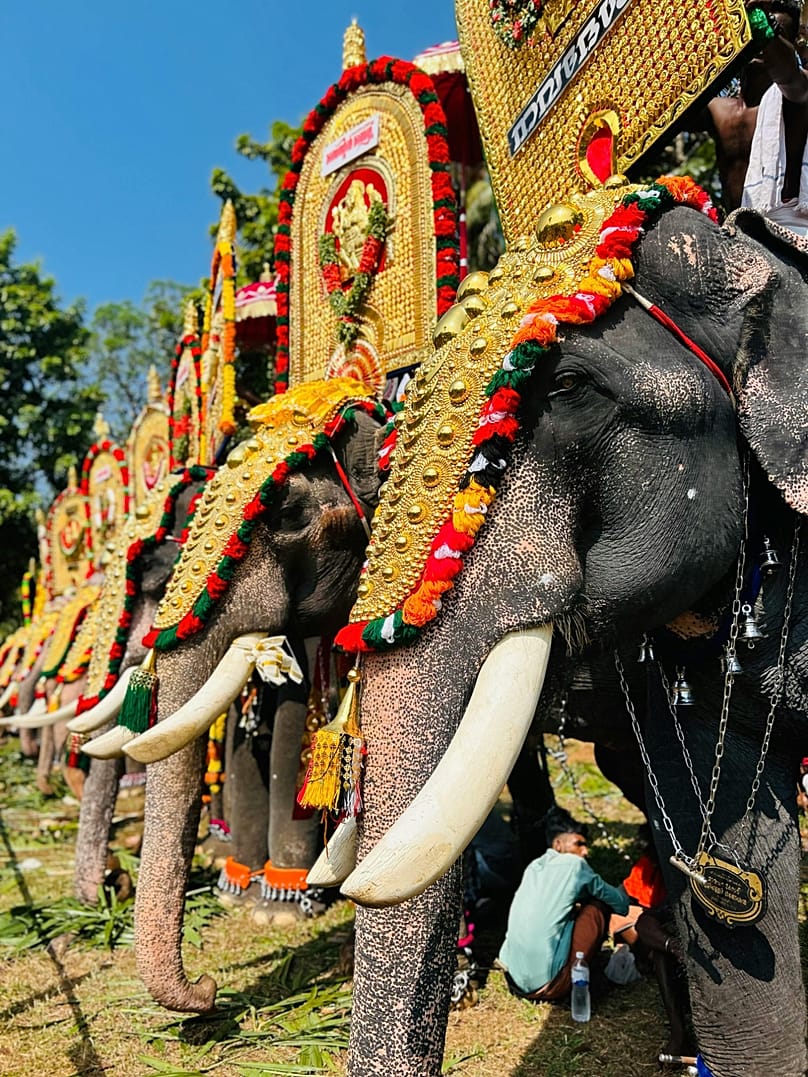
“It’s one of Asia’s biggest festivals,” said Suresh. “We also have ritual performances like Theyyam and Tira, which are deeply spiritual and visually stunning. Kerala’s festivals are about community, devotion, and joy.”
Visitors can also witness Kathakali, the state’s traditional dance-drama combining vivid costumes, mythological storytelling, and expressive gestures. “It’s based on ancient texts known as the Puranas,” she said. “It’s truly one of Kerala’s cultural treasures.”
Believed to have originated around the start of the Common Era, the complex art form is officially recognized by UNESCO as a Masterpiece of the Oral and Intangible Heritage of Humanity.
Food That Tells a Story
Kerala’s cuisine is another reason to visit. The state’s tropical produce and coastal setting make for an endlessly varied and delicious menu—from spiced seafood to vegetarian feasts.
“We have both vegetarian and non-vegetarian cuisines,” Suresh said. “You must try Malabar biryani, and for vegetarians, the Sadya—a traditional meal served on a banana leaf with more than 30 dishes. For breakfast, we have appam and stew, kadala curry, boiled tapioca with seafood curry, and sweets like unniyappam.”
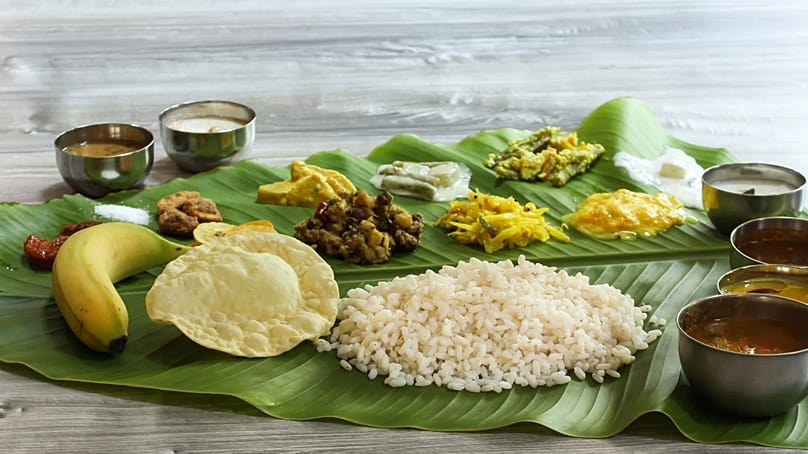
The tourism board is even developing food circuits, allowing visitors to travel across regions tasting local specialties. “Kozhikode, for instance, is famous for its biryani and tea culture,” she added. “You can spend an entire day exploring its food scene.”
Sustainability at the Heart of Kerala Tourism
Kerala has also become a leader in responsible tourism, aligning its initiatives with the UN’s Sustainable Development Goals. “Tourism is our heart and soul,” said Suresh. “Each person in Kerala feels responsible for protecting nature. We’re developing clean, green, and eco-friendly destinations while creating local employment.”
The state’s Responsible Tourism Mission focuses on community-based projects, plastic reduction, and carbon-neutral destinations. “Many of our sites are now carbon neutral,” she said. “We encourage visitors to experience Kerala sustainably.”
