Microwave vs Frying Pan: The Ultimate Egg Cook-off
The Timeless Debate: Frying Pan or Microwave?
Eggs are one of the most universally loved and endlessly debated foods. Every kitchen has its own unique way of preparing them, and every cook believes their method is the best. However, the way you cook your eggs can reveal a lot about your personality—your patience, your hunger, and how much time you have before that first meeting of the day. So, let’s explore which method truly deserves to be crowned the top choice for breakfast.
The Traditional Route
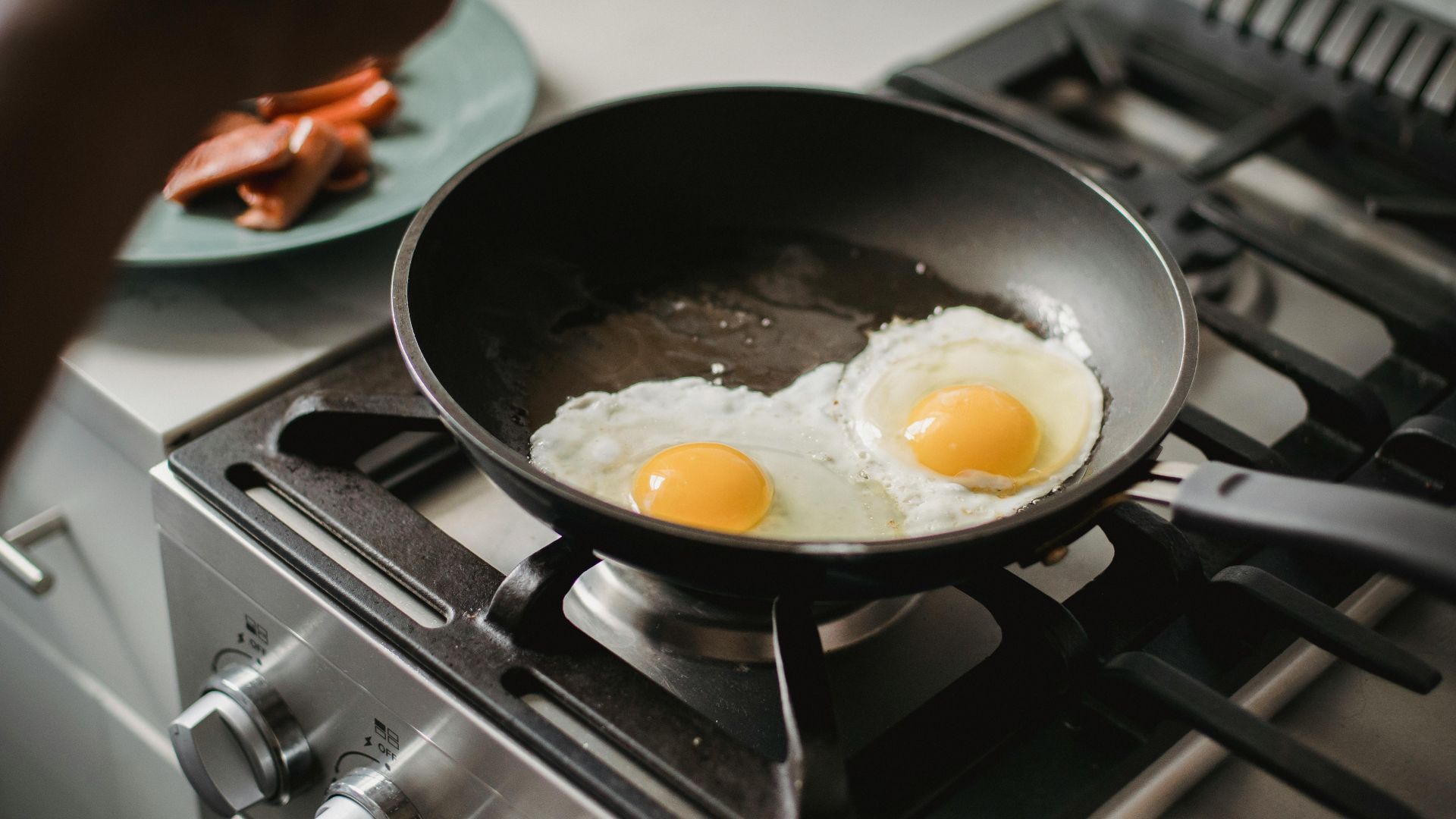
There's a reason why traditional methods continue to hold their place in kitchens around the world. The frying pan remains one of the most reliable ways to cook eggs. It offers complete control over temperature and timing, and it rewards those who take the time to master it.
For fried eggs, a good nonstick or well-seasoned pan can make all the difference. Sunny-side up eggs, for instance, benefit from gentle heat and a bit of oil or butter to help the whites set evenly while keeping the yolk glossy and runny. If you prefer a firmer yolk, simply flip the egg for a few seconds to make it over-easy.
Scrambled eggs are another testament to the frying pan's versatility. When cooked low and slow with gentle stirring, they produce soft, custardy curds instead of dry ones. This method requires attention, but the result is worth it.
What makes the frying pan stand out is its adaptability. It’s equally suited for omelets, baked-style eggs, or even lightly poached ones if you’re careful with the heat. While it does require more cleanup and attention, the flavor and texture it delivers are hard to match.
However, not everyone has the luxury of time for stovetop cooking. That’s where the microwave comes into play.
The Shortcut That Works
Often seen as a lazy option, the microwave is actually surprisingly capable when used correctly. With the right technique, it can handle everything from scrambled eggs to quick omelets—even poached eggs if you're careful. For busy mornings or office breakfasts, it's a genuinely practical solution.
The key to successful microwave eggs is using short intervals and allowing the egg to rest after cooking. Residual heat continues to cook the egg even after you stop the timer, so pulling it out slightly underdone prevents rubberiness. Timing may vary depending on the wattage, but once you get the hang of it, you’ll achieve consistent, mess-free results every time.
While microwave eggs may not have the crisp edges or buttery aroma of pan-fried versions, they deliver convenience without sacrificing too much quality. They’re a great option when time is limited.
The Key Takeaway
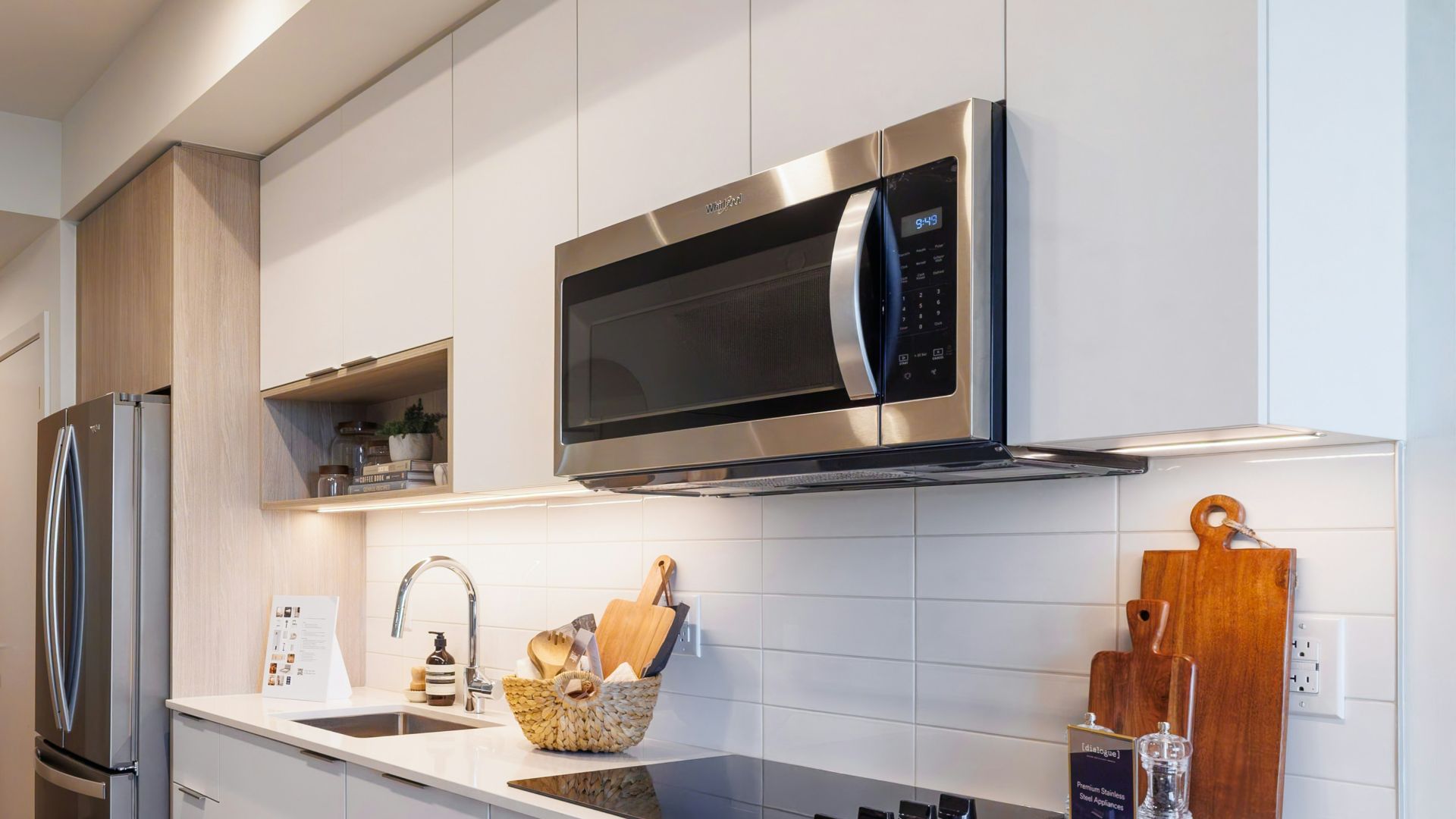
Choosing between the frying pan and the microwave ultimately depends on what matters most to you. The frying pan clearly takes the lead for flavor, texture, and versatility—it rewards patience with perfect results every time. The microwave, on the other hand, wins for speed and convenience when time is short.
Both methods have their place in the kitchen, but the real winner depends on whether you value taste or time more. Whether you prefer the classic approach or the modern shortcut, there’s no wrong way to enjoy an egg—just different ways to make it special.
