Mitchell Starc Warns of Money-Grabbing Threat to Australia's Ashes Hopes
The Debate Over Test Match Length and Pitch Preparation
The issue of test match length has become a growing concern among stakeholders in the cricketing world, particularly as the Ashes series approaches. Mitchell Starc, one of Australia's leading fast bowlers, has voiced his opinion on the matter, urging curators to maintain the quality of pitches for the upcoming series. He believes that any attempts to make Tests go longer should be irrelevant, emphasizing the importance of lively wickets.
Curators face a challenging task this summer, as Australian players are keen on seeing green pitches that they believe can help them take down England's batting lineup. At the same time, Cricket Australia is hoping for a significant financial boost from the series, with record crowds expected and 13 out of 25 possible days already sold out.
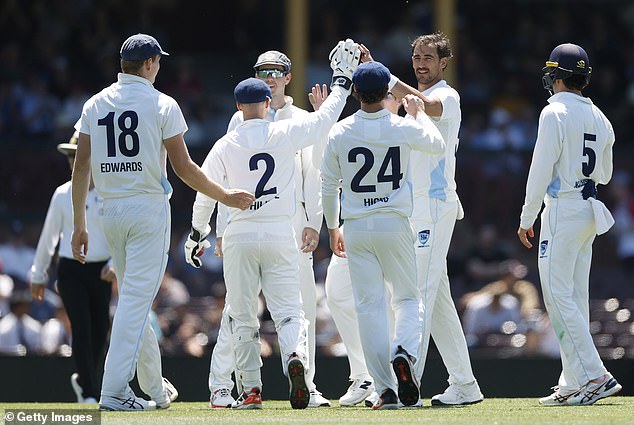
Starc made his return to red-ball cricket on Monday, taking four Victorian wickets in the Sheffield Shield. However, he also faced an aggressive onslaught from Sam Harper, who took the left-armer for 22 off one over before being caught on the boundary after tea. When asked if he expected England to adopt a similar approach this summer, Starc was clear in his assessment of the wicket.
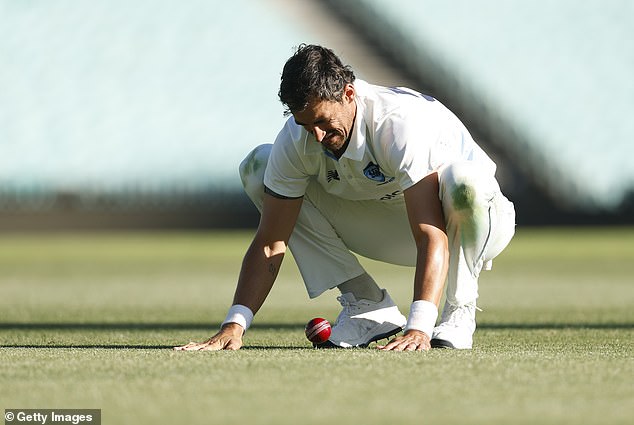
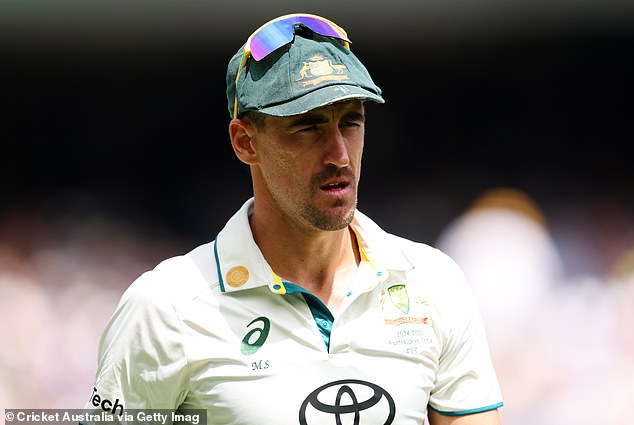
"Yep, no doubt, especially if they're pretty docile wickets like this," Starc said. "We know the way they're trying to play their cricket, so we'll worry about it next week."
Starc's comments come in the wake of the SCG hosting the liveliest Test pitch of the summer last year, which saw Australia defeat India in just eight sessions. In the past four Australian summers, only six Tests across the country have reached day five, with two of those nearly ruined by rain. Another six Tests were concluded within two or three days.
Administrators typically rely on matches extending into at least day four to maximize profits, as the final day often requires minimal effort to conclude. However, Starc was firm in his stance when questioned about whether he was worried that pitches could be made flatter this summer to extend play.
"I hope the groundsmen stick to their guns and prepare the wickets they want," he said. "If we're worried about five days of revenue, then there's bigger problems at hand."
Stand-in captain Steve Smith and his deputy Travis Head are among the Australian players who have called for lively wickets to be produced again this summer. Batters' averages in the top six have dropped significantly over the decade, falling from 41.47 in the 2010s to 31.93 currently.
Cricket Australia CEO Todd Greenberg has stated that his organization will not interfere in the decision-making process. "If I could get the roller out myself, I'd be on it," Greenberg joked last month. "There are competing demands in Australian cricket and I understand that. There's the performance demands and what might suit the teams best. There are commercial returns, which are really important. But ultimately, I think what we want to see is, in every city, that the wickets play like they should and there's a great balance between bat and ball."

As the Ashes series approaches, several questions remain unanswered:
- Can England's top order conquer the formidable 'bouncy' Optus Stadium pitch without their aggressive play backfiring?
- Will Australia secure the series with their ambitious lead, boosted by Smith and Green's gritty performances on a tough pitch?
- Are sweltering Aussie summers a ticking time-bomb for Test cricket's future at the MCG?
- Is the notorious Optus Stadium pitch spelling doom for Australia's hopes, as Starc warns it may only get worse?
- Is Australia on the brink of a cricket crisis with bowling stars falling like dominos ahead of The Ashes?
