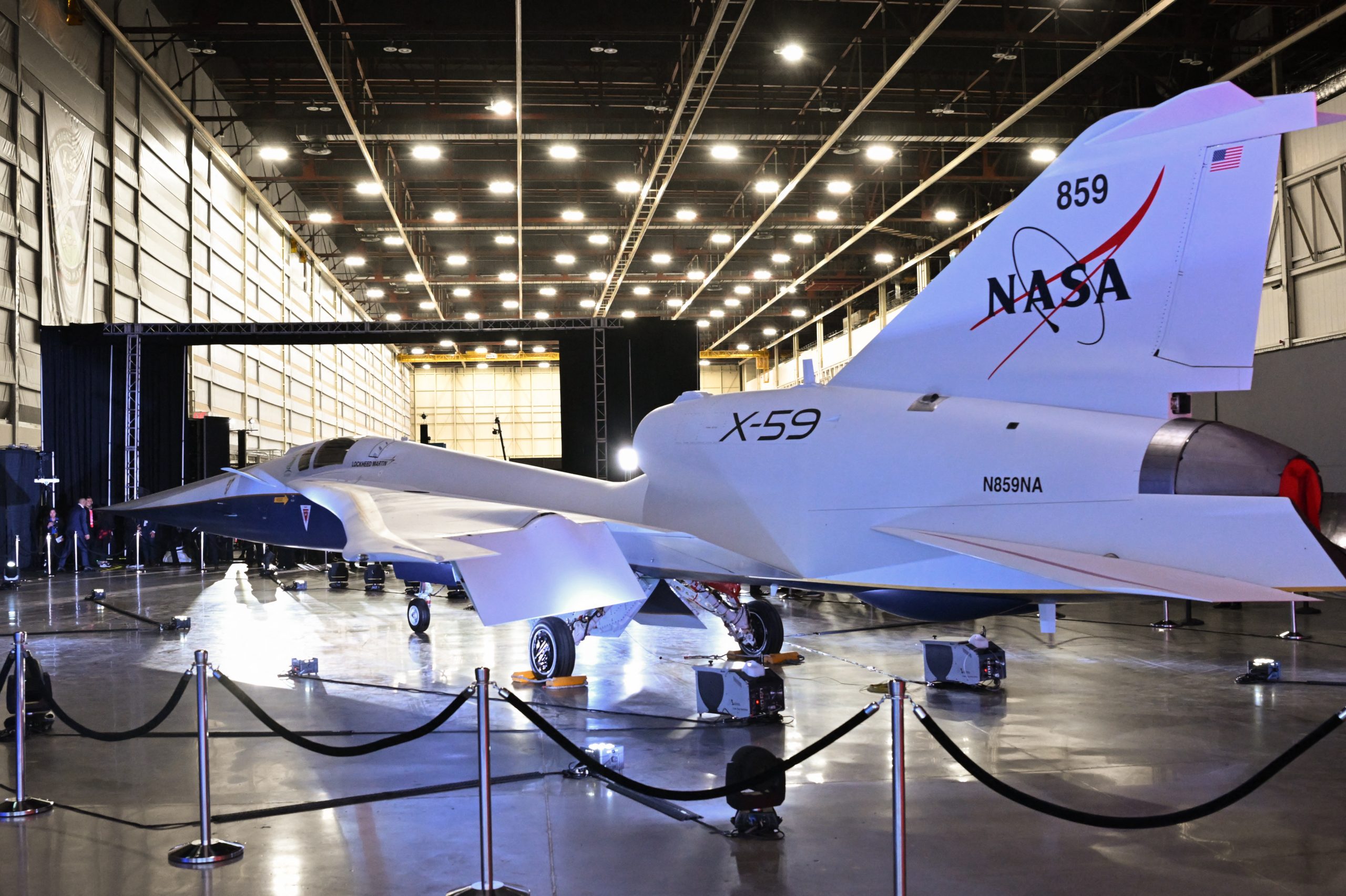
NASA tests silent supersonic jet, revolutionizing air travel forever
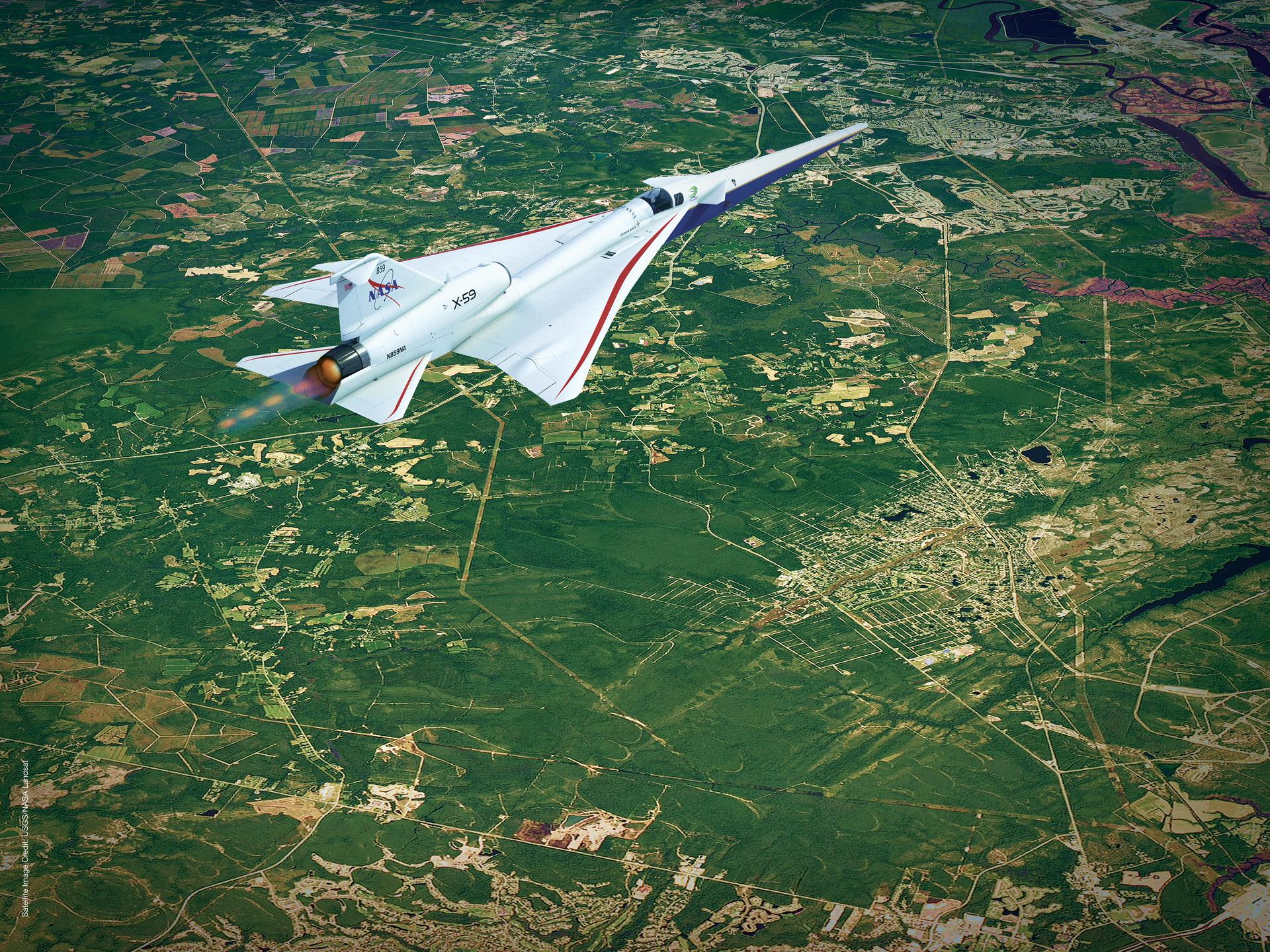 Photo: NASA
Introduction to the X-59 Quest
In the last week of October, NASA conducted a successful test of its first quiet supersonic jet during a short, low-speed flight over the California desert. This test was not focused on speed but rather on system integration. The agency mentioned in a press release that more flights are planned to verify the aircraft’s airworthiness and safety.
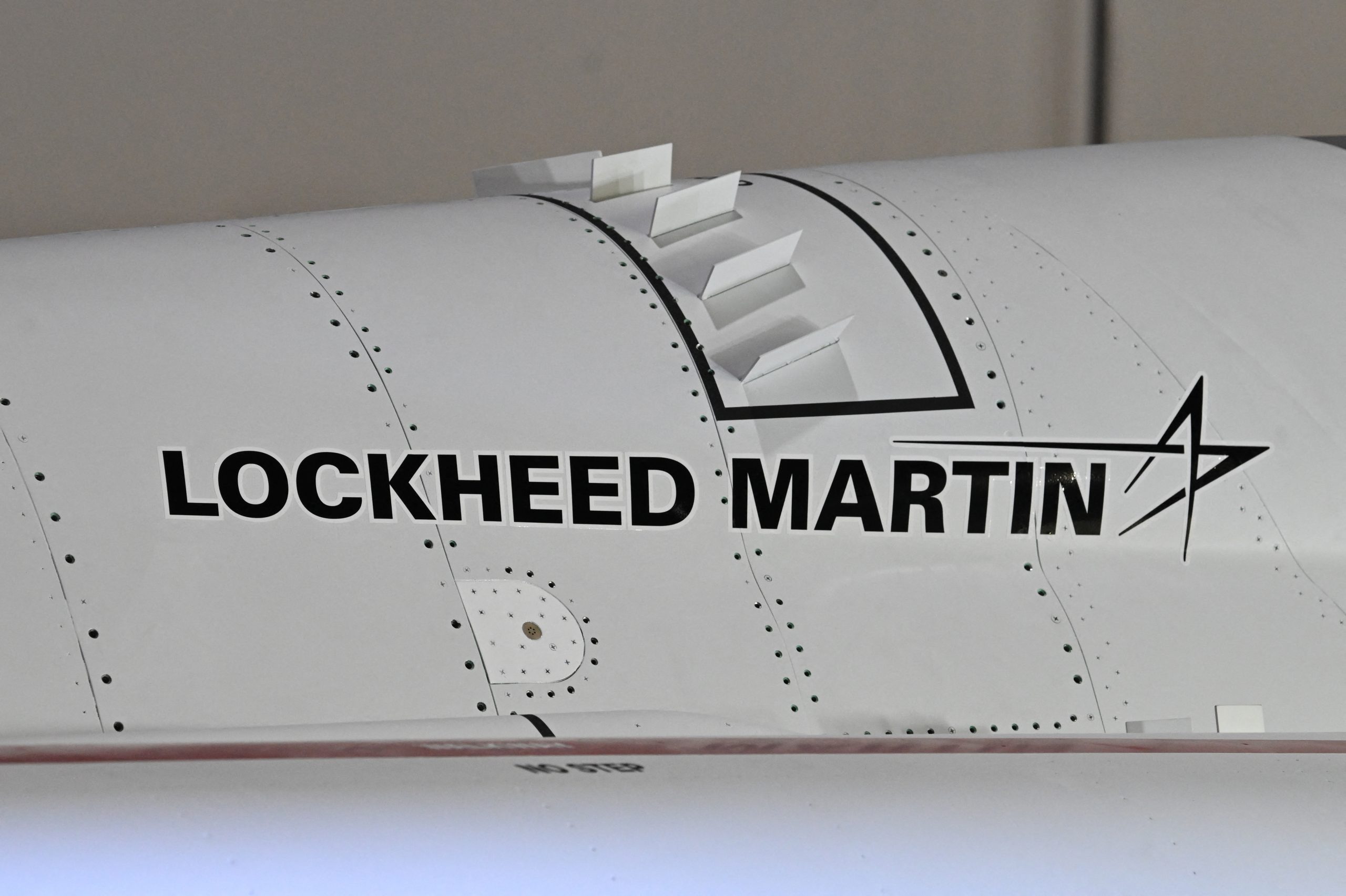
The jet, developed by American aerospace company Lockheed Martin, is known as the X-59 Quest. During the test, it flew at a speed of 240 mph. Future tests will gradually increase the speed. What makes this supersonic jet unique is not its speed, but the sound it produces. It is designed to generate a “quiet thump rather than a loud sonic boom.”
The Brief History of Commercial Supersonic Flights
Supersonic flight is not a new concept. The first supersonic flight was achieved in the 1940s, with jets traveling faster than the speed of sound, which is over 760 mph. However, commercial use of this technology was quickly banned over US territory due to complaints about the sonic boom emitted by these airplanes.
According to AP News, the noise from these planes reverberated through cities, frightening the public and even cracking windows. As an alternative, in the 1970s, a commercial airline used supersonic airplanes for transatlantic flights that avoided flying over cities. Despite this, an accident led to the technology being viewed negatively by the public.
Innovations in the X-59 Quest
NASA is hoping to change public perception with its new jet, which incorporates numerous advanced technologies. The agency stated that the airplane uses a digital fly-by-wire system to prevent unsafe maneuvers and maintain stability. It also features multiple computers that back each other up to ensure continued operation in case of any system failure. The goal is to guarantee safety despite the exponential increase in speed.
The Potential Impact on Aviation
If NASA manages to expand this technology, it could mark a pivotal moment in aviation history, potentially transforming the air travel industry. “NASA’s X-59 is preparing to push the boundaries of what’s possible in air travel,” the agency said in another press release. Beyond opening a new path for supersonic flights, the aircraft has also served as a tester for many new security technologies.
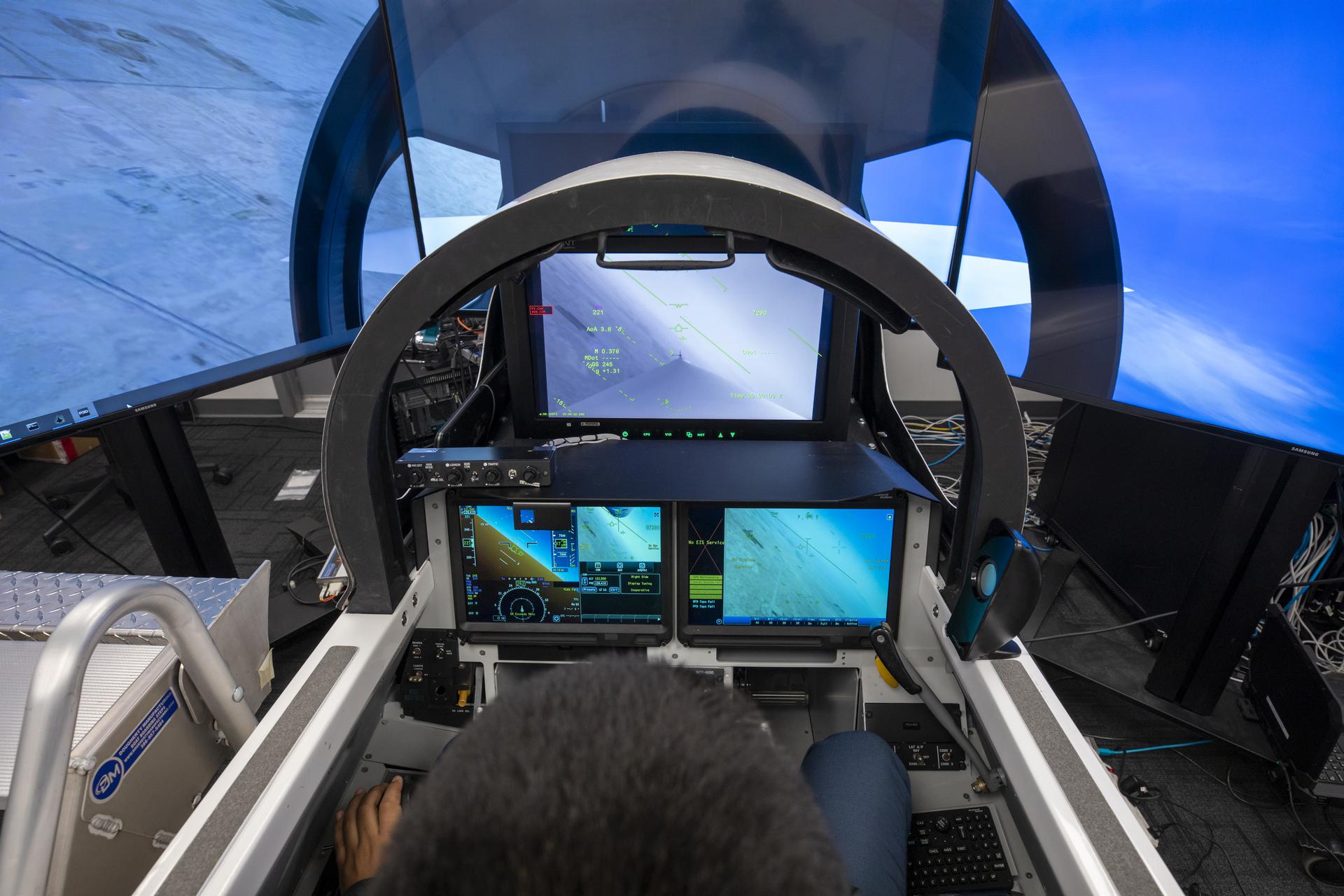 Photo: NASA
Future Possibilities
According to AP News, if supersonic flights become commercially available, airlines could significantly reduce flight times. The agency mentioned that a flight from California to New York could be cut in half in terms of time. Supersonic speed is just the beginning for NASA.
On its website, the agency stated that it is starting with commercial supersonic flights over land, but that “even faster flight, someday, through hypersonic technology is not impossible.”