New Malaria Cure Tackles Rising Drug Resistance
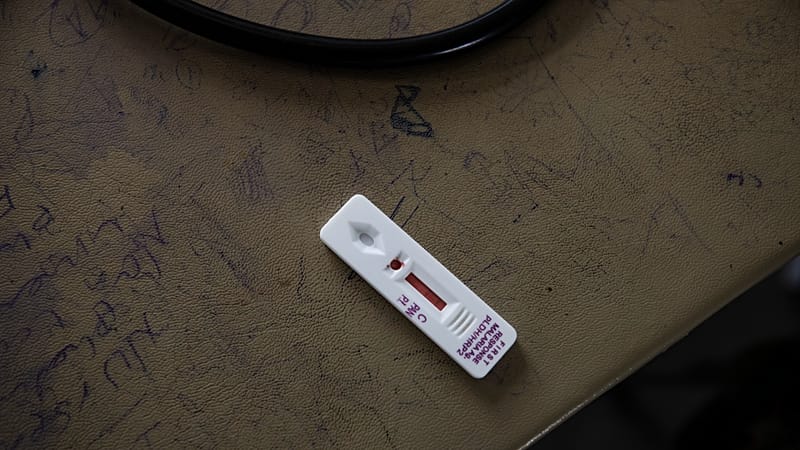
A New Hope in the Fight Against Malaria
An experimental drug has shown promising results in treating malaria, offering a potential solution to the growing challenge of drug resistance. The drug, called GanLum, is developed by Novartis, a leading Swiss pharmaceutical company. In a late-stage trial, it proved to be as effective as current treatments against malaria while also showing strong performance against mutant strains that are resistant to existing drugs.
When pathogens like parasites or bacteria develop resistance to drugs, it becomes increasingly difficult to treat infectious diseases, which can lead to more severe illness and even death. Dr Abdoulaye Djimdé, a professor of parasitology and mycology at the University of Science, Techniques and Technologies of Bamako, Mali, described the new drug as “the biggest advance in malaria treatment for decades.”
“Drug resistance is a growing threat to Africa, so new treatment options can’t come a moment too soon,” he added in a statement.
Globally, there were an estimated 263 million malaria cases and 597,000 malaria deaths in 2023. Most of these cases occur in Africa, where children under the age of five account for about three out of four malaria deaths, according to the World Health Organization (WHO).
Current Treatments and the Need for Innovation
Today, most malaria patients in Africa are treated with artemisinin-based combination therapy (ACT), introduced in the early 2000s. However, recent reports from the WHO indicate signs of partial resistance in countries such as Rwanda, Uganda, and Eritrea.
GanLum differs from ACT as it is made from two other compounds that target the malaria parasite. The study involved nearly 1,700 participants across 12 African countries. Half of them were randomly assigned to take GanLum, while the other half received standard treatment.
After four weeks, 85.3% of patients in the GanLum group showed no symptoms or parasites, compared to 82.1% in the standard-care group. This translates to an overall cure rate of 99.2% for GanLum and 96.7% for the standard-care group, according to Novartis.
Although the findings have not yet been published in a peer-reviewed journal, they were presented at a scientific meeting this week. The trial was partially funded by the European Union, Germany, and the United Kingdom.
Future Prospects and Regulatory Steps
Novartis plans to quickly seek regulatory approval for GanLum. Dr Shreeram Aradhye, the drugmaker’s president of development and chief medical officer, emphasized that the medicine “has the potential to both treat the disease and block transmission.”
The trial participants all had acute, uncomplicated malaria linked to Plasmodium falciparum, the deadliest and most common malaria parasite in Africa.
Dr Alena Pance, a senior lecturer in genetics at the University of Hertfordshire in the UK, highlighted the need for more data on whether the new drug is effective against other malaria parasites and severe forms of the disease, such as cerebral malaria.
Despite these concerns, Pance called the findings “really encouraging.” She noted that widespread resistance to anti-malarials is a significant global issue, making the development of new treatments essential.
Ongoing Research and Global Impact
As the fight against malaria continues, the introduction of new drugs like GanLum offers hope for more effective and sustainable treatment options. With ongoing research and international collaboration, the global community aims to reduce the burden of malaria and protect vulnerable populations, especially children in Africa.
