NHS Faces Staff Cuts and Fewer Surgeries to Cover £240m Doctor Strike Cost
The Impact of the Five-Day Doctor Strike on the NHS
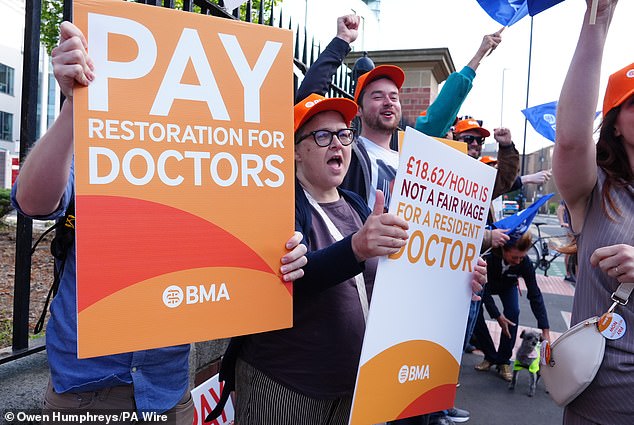
Resident doctors in England have initiated a five-day walkout, marking the 13th such strike by members of the British Medical Association (BMA). This industrial action began at 7am today and will continue until 7am on Wednesday. The dispute centers around pay, with doctors having already received a 28.9 per cent increase over the past three years. Despite this, they are demanding an additional 26 per cent.
Health leaders have raised concerns that the ongoing strikes could lead to significant disruptions within the NHS. They warn that the health service may need to cut frontline staff and reduce the number of operations and scans to manage the financial burden of the strikes. The estimated cost of this industrial action is £240 million, as hospitals face the challenge of canceling appointments and paying inflated overtime rates for consultants covering for striking junior doctors.
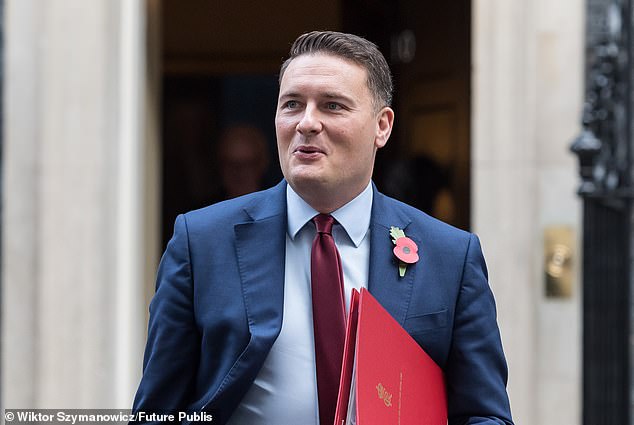
Health Secretary Wes Streeting has criticized the BMA, accusing the union of acting like a "cartel" and attempting to hold the country to ransom over the high costs involved. The NHS Confederation and NHS Providers, which represent healthcare organizations, have echoed these concerns, stating that constrained NHS budgets can no longer absorb the financial impact of the strikes. They have urged the BMA to call off the action, emphasizing that it will cause excessive disruption to patients who may face longer wait times for care.
The last time resident doctors went on strike, over 54,000 procedures and appointments were canceled or rescheduled, despite the NHS maintaining 93 per cent of its planned activity. Sir Jim Mackey, chief executive of NHS England, has written to trust bosses, urging them to maintain 95 per cent of non-urgent care during this strike, only rescheduling appointments and operations in exceptional circumstances to ensure patient safety.
However, the NHS Confederation and NHS Providers warn that tens of thousands of patients could still face delays or cancellations if surges in demand require staff to prioritize urgent and emergency care. The early flu season could further strain the system, with higher demand and increased staff sickness making it more challenging to fill rota gaps. This poses a risk to progress against key waiting time targets, especially as new figures show the NHS waiting list fell in September after three consecutive monthly increases.
Matthew Taylor, chief executive of NHS Confederation, highlighted the potential impact on patients, stating that tens of thousands of tests, appointments, and operations may be delayed or canceled. He emphasized the frustration patients may feel while waiting in pain or discomfort, not knowing when their treatment will be rescheduled. With flu already beginning to affect the population, there is a real risk that these strikes could leave the NHS struggling through a difficult winter, particularly as it tries to recover performance and implement long-term reforms.
The NHS corridor care crisis has also worsened, with the number of patients forced to wait 12 hours or more on trolleys or chairs in A&E surging by 10,000 in just one month. More than 54,000 people—1,752 each day—were subjected to extended 'corridor care' in NHS hospitals in October, according to new figures from NHS England. This is 10,000 more than in September and 9.5 per cent more than the same month last year. Meanwhile, 142,734 patients waited more than four hours for a bed following a decision to admit.
Dr Vicky Price, president of the Society for Acute Medicine, expressed concern over the strain on the NHS, highlighting the prolonged waits for assessment and care, full beds, and exhausted staff. She noted that these situations are becoming increasingly common, with vulnerable patients enduring corridor care that was once considered an exception but is now an accepted norm. This situation is distressing, dangerous, and continues to cause serious and avoidable harm.

Meanwhile, the waiting list for routine hospital treatment has seen a slight decrease, following three months of consecutive rises. An estimated 7.39 million treatments were waiting to be carried out at the end of September, relating to 6.24 million patients, according to the latest figures. This is down from 7.41 million treatments and 6.25 million patients at the end of August. However, more strikes could further strain these budgets, potentially leading to cuts in staff or reduced service levels to balance the books.
The BMA has stated that doctors must not be called off picket lines to cover planned NHS work during the strike. The union will not agree to such 'derogations' unless NHS trusts have already canceled planned activity and 'incentivized' other medics to provide cover. Dr Tom Dolphin, BMA council chair, and Dr Emma Runswick, deputy chair, emphasized that derogations are not meant to avoid disruption caused by industrial action but to ensure safe care in unexpected and extreme circumstances.
Sir Jim has advised hospital bosses that if non-striking doctors provide cover during the strike, trusts should not adopt the BMA's rate card. The BMA's consultant rate card for working outside contracted hours sets a fee of £188 per hour for weekdays from 7am to 7pm, and £250 per hour for 7pm to 11pm. Weekends are 7am-11pm for £250 per hour, and overnight shifts of 11pm to 7am are £313 per hour.
Daniel Elkeles, chief executive of NHS Providers, stressed that patient safety is the top priority, adding that derogation requests during strike action are not made lightly. These requests are initiated by trust-based medical directors, who are senior clinicians acting in good faith to keep patients safe when unexpected and extreme circumstances arise during strikes.
Mr Streeting has blamed the BMA for the 'needless' strikes, accusing them of refusing to put his improved offer of more specialist training places and help with exam fees to its members. He has appealed directly to medics, urging them not to follow the BMA out on strike and to come to work to give their patients the care they need.
However, Dr Jack Fletcher, chair of the BMA's resident doctors committee, accused NHS managers of emotionally blackmailing frontline staff who are taking legitimate industrial action to defend their pay and conditions. He argued that the strikes have not come out of the blue, noting that what has been offered so far still leaves thousands of resident doctors without a role this year, and the Government seems determined to cut pay even further next year.
Dr Fletcher said any resident doctor would challenge the narrative that the NHS is "somehow turning a corner." He highlighted the challenges facing the system, including doctors sitting on bins due to a lack of chairs, patients routinely being seen in corridors, and A&E waits through the roof. He emphasized that the Government and managers cannot gaslight the public into blaming hardworking doctors for system-wide failures.
The BMA's current mandate for strike action runs out in January, after which it would need to ballot members. NHS England is urging patients to continue coming forward for care and attend any planned appointments unless they hear otherwise. Patients needing emergency help should use 999 or A&E as normal, while NHS 111 is also available alongside usual GP services.
