NHS Gout Drug Could Prevent Deadly Heart Attacks and Strokes
New Hope for Heart Patients with a Gout Drug
A drug commonly used to treat gout may offer new hope for patients suffering from heart issues, according to recent research. Scientists from Germany and Switzerland conducted a study involving over 10,000 patients with a history of cardiovascular problems and found that the drug significantly reduced their risk of experiencing a heart attack or stroke.
Gout, a type of arthritis, is closely associated with heart disease, which is a leading cause of heart attacks. The two conditions often occur together, and this new research strengthens the connection between them. It also suggests that a single drug could potentially treat both gout and heart issues.
Colchicine, which is already a first-line treatment for gout on the NHS, works by targeting and inhibiting interleukin-1β, a chemical involved in inflammation. This helps reduce the symptoms of gout, which is caused by a buildup of uric acid in the blood. In the UK, gout affects four percent of adults, while more than eight million people in the US suffer from it.
Historically, gout was thought to be triggered by overindulgence in rich foods and alcohol. However, current research shows that anyone can develop the condition, although men are four times more likely to be affected than women.
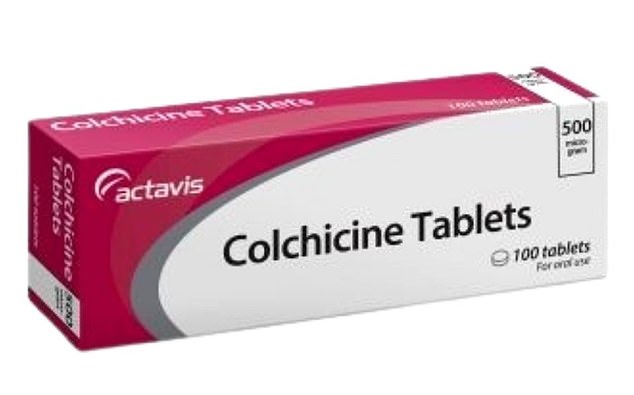
The study analyzed 12 trials involving 22,983 participants with a history of heart disease, heart attacks, and strokes. Half of the participants were given a low dose of colchicine (0.5mg) for at least six months, either once or twice a day. The other half received either a placebo or no additional treatment alongside their usual care.
Researchers found that for every 1,000 people treated with colchicine, there were nine fewer heart attacks and eight fewer strokes compared to those not taking the drug. While some participants experienced mild gastrointestinal side effects, the study noted that colchicine does not increase the rate of serious adverse events.
Writing in the journal Cochrane Database of Systematic Reviews, the researchers emphasized that colchicine is inexpensive, widely available, and has an established safety profile. They suggested that it could be considered as a treatment option for preventing heart attacks and strokes.
Dr Ramin Ebrahimi, a cardiology expert at the University Medicine Greifswald in Germany and co-author of the study, stated that such reductions in heart attacks and strokes could make a real difference for patients living with ongoing cardiovascular risks.
Lars Hemkens, director of clinical trials at the University of Bern in Switzerland and another co-author, highlighted the significance of repurposing an old, low-cost drug for a new use. He pointed out that this approach demonstrates the potential of academic research to uncover treatment opportunities that traditional drug development might overlook.
Recent data has shown a worrying trend, with premature deaths from cardiovascular problems reaching their highest level in over a decade. The Daily Mail has reported an increase in the number of young people under 40 in England being treated for heart attacks by the NHS.
While cases of heart attacks, heart failure, and strokes among people under 75 have declined since the 1960s due to factors like lower smoking rates and medical advancements, rising obesity rates and related health issues such as high blood pressure and diabetes are now major concerns.
This research raises important questions about the potential of inexpensive drugs to address some of the UK's most pressing health challenges. Could a simple, low-cost pill really help reduce the risk of heart attacks and strokes? Are we witnessing a medical revolution with drugs like aspirin and statins offering unexpected hope against heart disease? Could higher doses of medication provide relief for gout sufferers? And could a common heart medication significantly reduce the risk of deadly blood cancer?
These are just some of the questions that continue to drive research and innovation in the field of cardiovascular health.
