No taxpayer funds for Man United's new stadium, says mayor
Andy Burnham's Stance on Manchester United's Stadium Plans
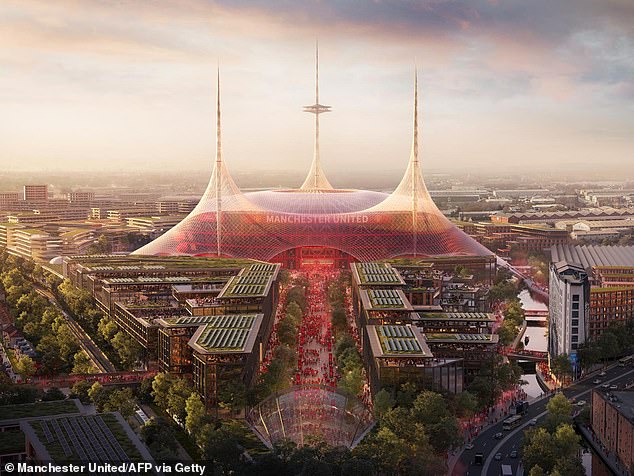
Andy Burnham, the Mayor of Greater Manchester, has firmly stated that no public funds will be used for the construction of Manchester United’s proposed 100,000-seater stadium. This declaration comes in response to the club's ambitious 'New Trafford' project, which was unveiled earlier this year with an estimated cost of £2 billion.
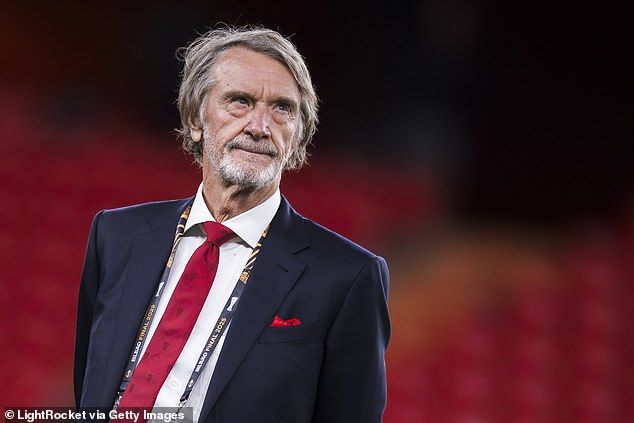
The Premier League giants outlined their vision for a state-of-the-art stadium, with co-owner Sir Jim Ratcliffe suggesting that government funding could be considered for part of the scheme. Ratcliffe argued that residents in the north should have the same opportunities as Londoners to support major sporting infrastructure.
However, Burnham emphasized that Manchester United will fund the stadium themselves, making it clear that no taxpayer money will be involved. “It's not about giving them money because we have a really clear principle here at the start of this journey with the Mayoral Development Corporation,” Burnham explained during an interview on The Added Time podcast.
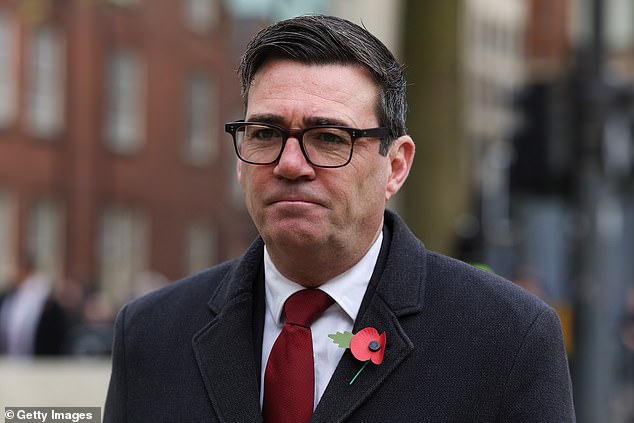
“Manchester United will be paying for the stadium. There will not be a penny of public money going into that.”
According to reports, the club plans to finance the stadium privately but will continue discussions over the wider infrastructure through the new Mayoral Development Corporation. This body will oversee the regeneration of the Old Trafford area.
Recent reports from Mail Sport indicated that Manchester United is still negotiating with Freightliner over a crucial plot of land behind the Stretford End, which is part of the proposed site. The company is believed to have valued the land significantly higher than the £50 million United are willing to pay. However, talks have been described as constructive.
Once this issue is resolved, United hopes to move forward with the construction of the 100,000-capacity arena, which would be the largest football stadium in Europe. The plans also include the development of 17,000 new homes and major transport upgrades to the surrounding area.
This project would form part of a broader regeneration of Trafford Wharfside, linking Media City with the Manchester Ship Canal and expanding the city’s sporting corridor that already includes Old Trafford Cricket Ground and the nearby Imperial War Museum North.
United’s ownership group, led by Ratcliffe’s INEOS, intends to cover the stadium costs privately while seeking government support for transport and infrastructure improvements.
Fans have already been asked for feedback on key areas such as ticket pricing, facilities, and the possibility of personal seat licences, which could cost up to £4,000 for the right to buy a season ticket at the new venue.
If progress continues, United hope to move into the new stadium in time for the 2030–31 season.
Key Questions Surrounding the Project
- Could taxpayers foot the bill for Manchester United's grand stadium vision, bringing global prestige to Old Trafford?
- Can Manchester United's ambitious stadium dreams secure public funding and what strategies are they employing to justify the investment?
- Is Manchester United's bold new 100,000-capacity stadium plan set to revolutionize Old Trafford after receiving crucial governmental backing?
- Is a new 100,000-seat stadium in the cards? How will Man United find the funds for this grand plan?
- Will Manchester United overcome the £400m land feud to build their state-of-the-art 100,000-seater stadium at Old Trafford?
