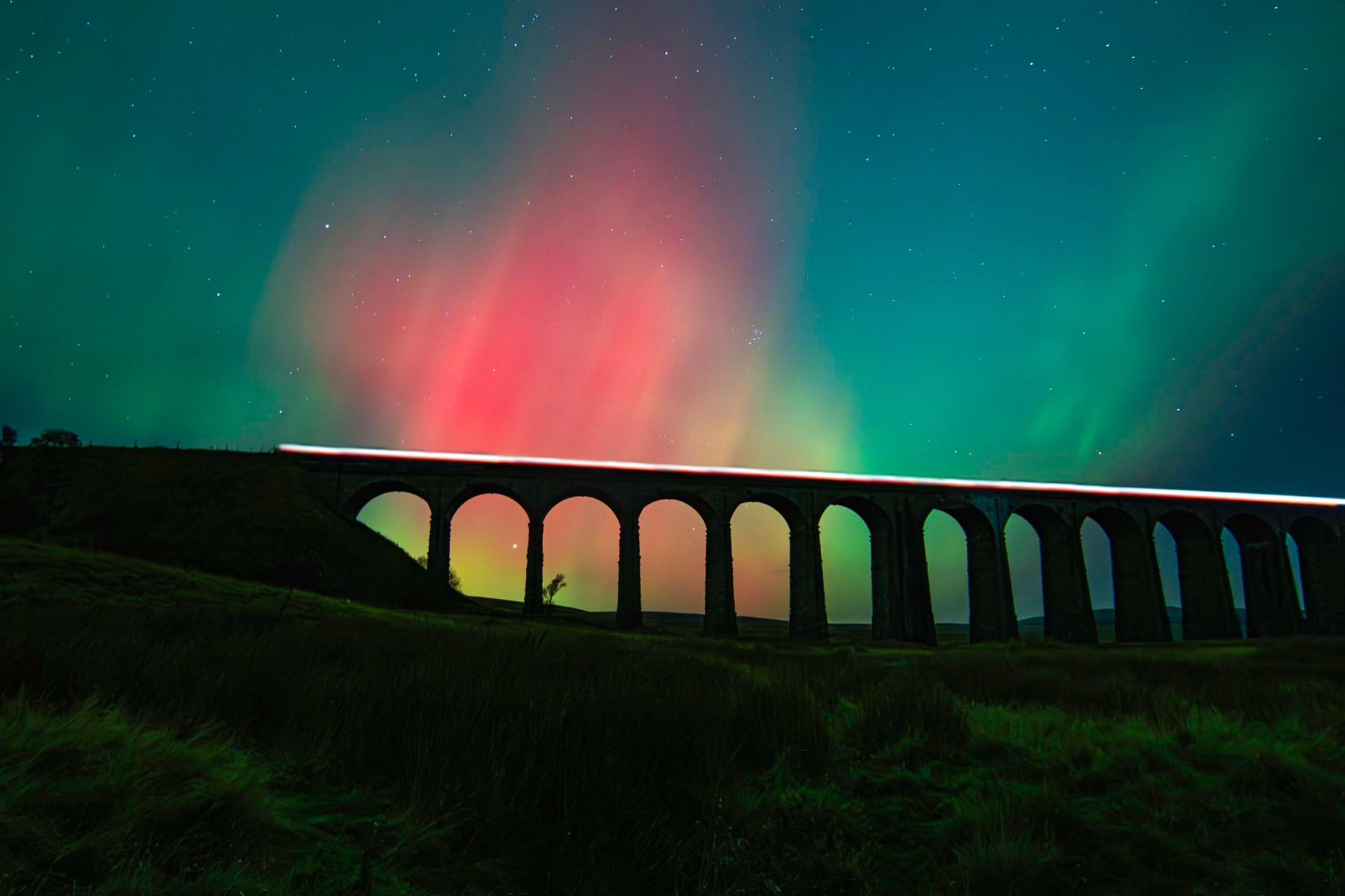
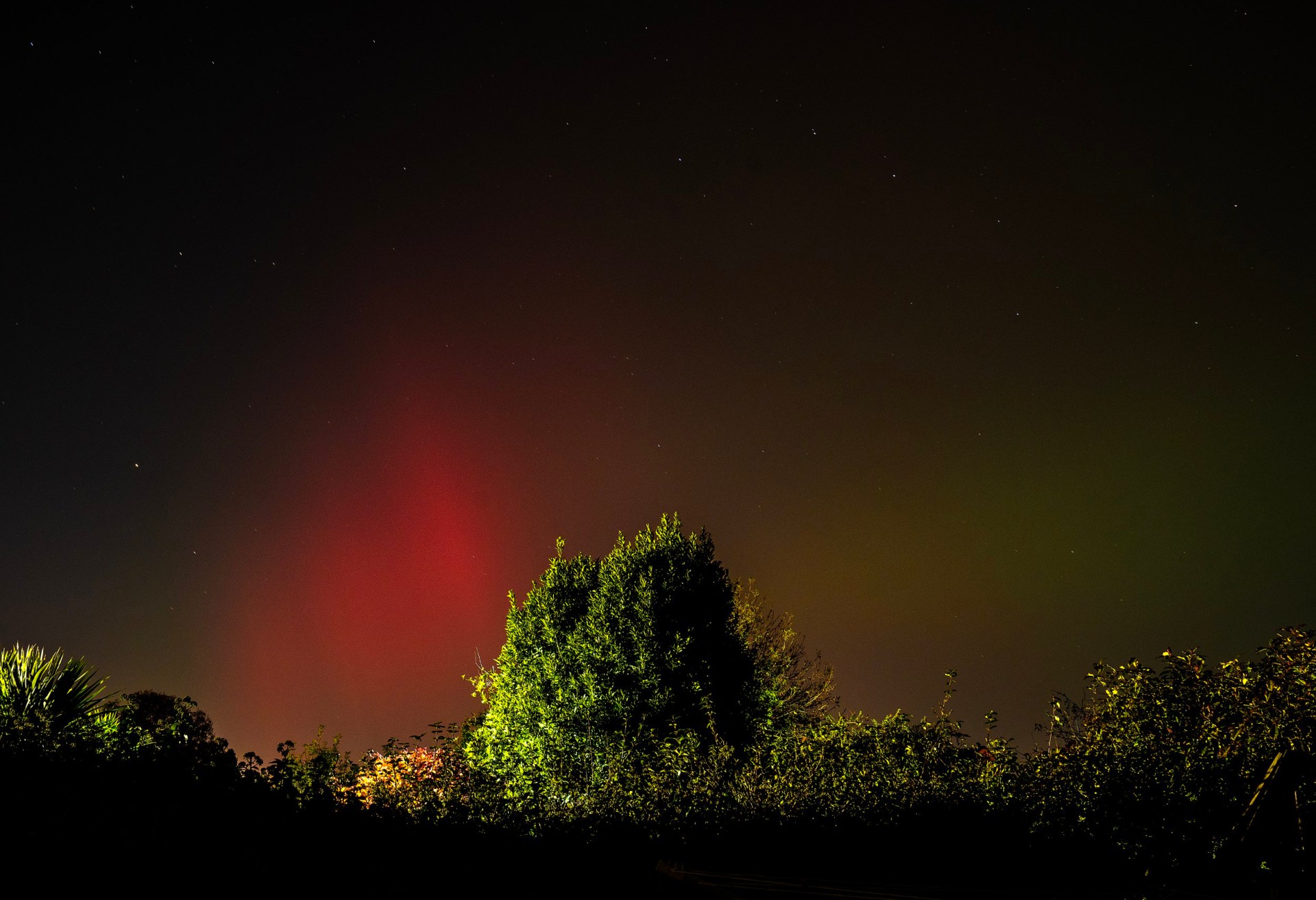
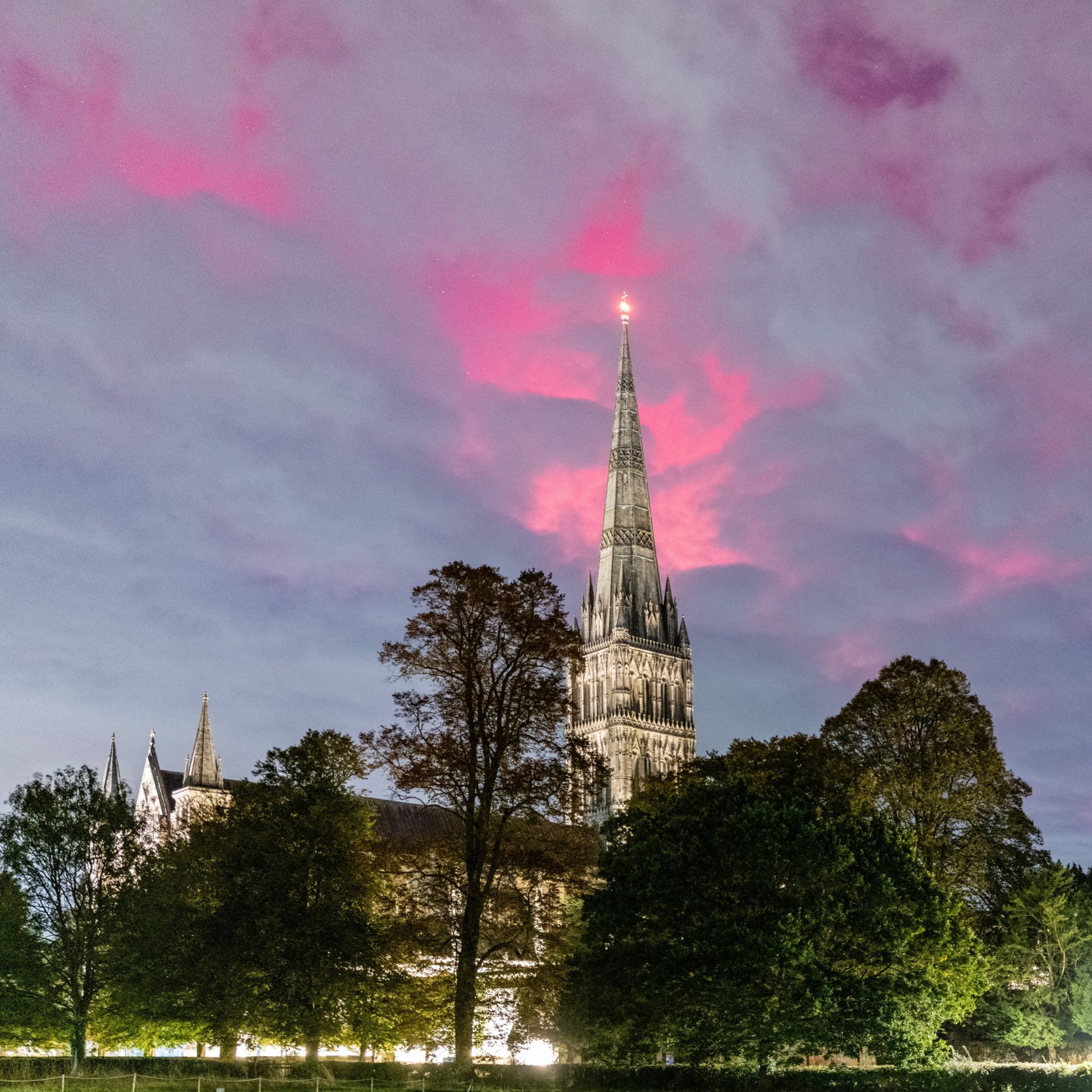
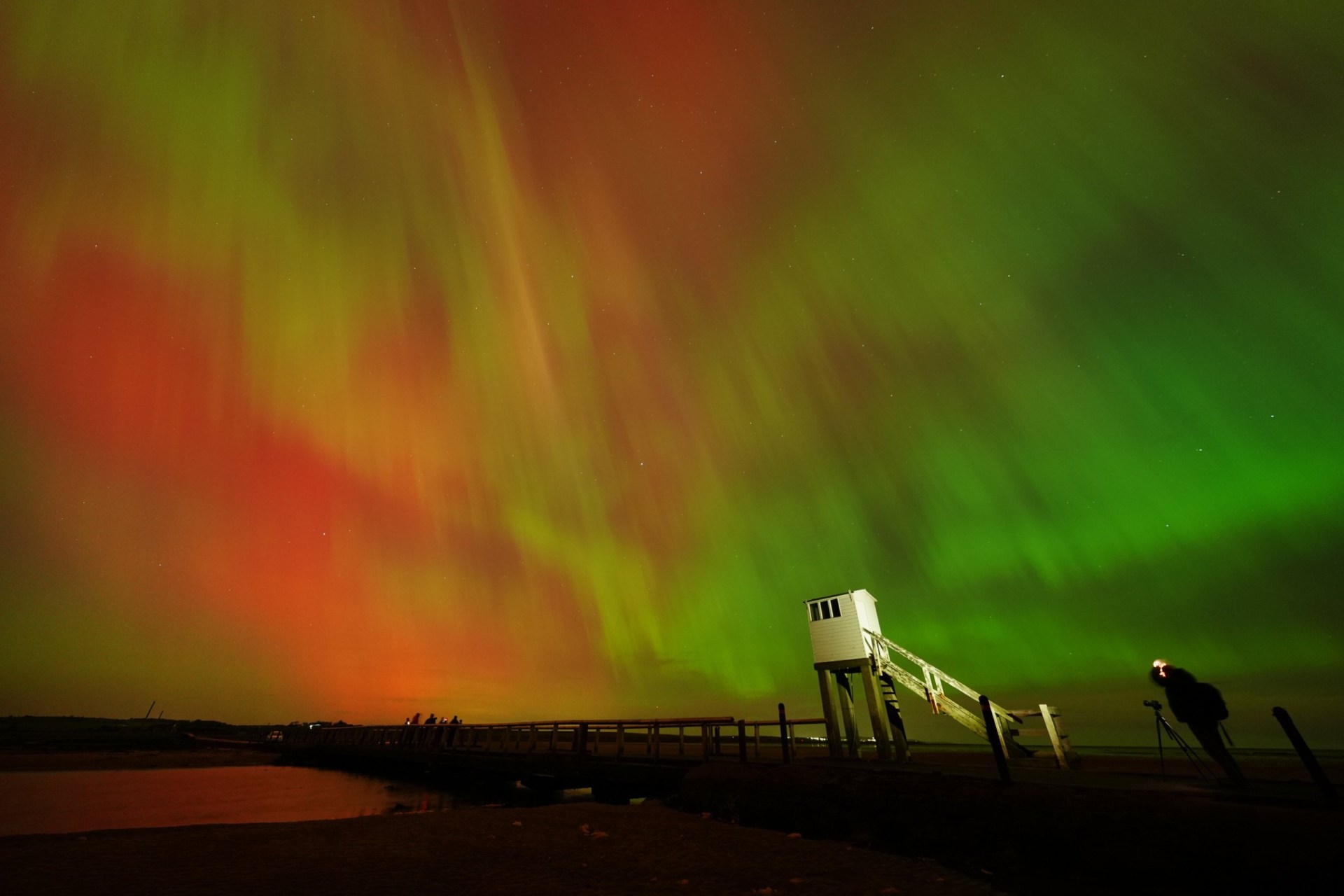
Northern Lights Brighten Brits During Solar Storm Surge
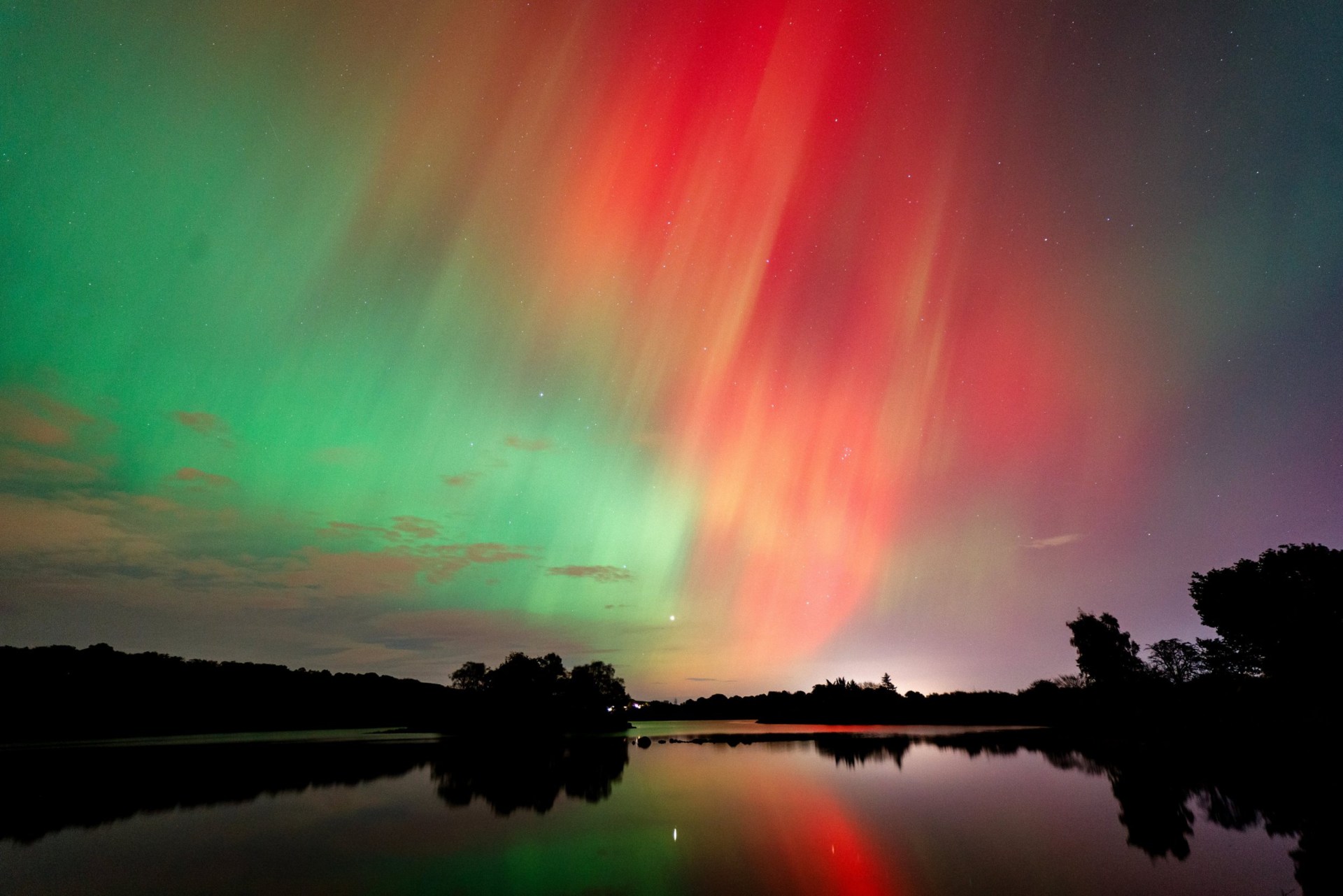
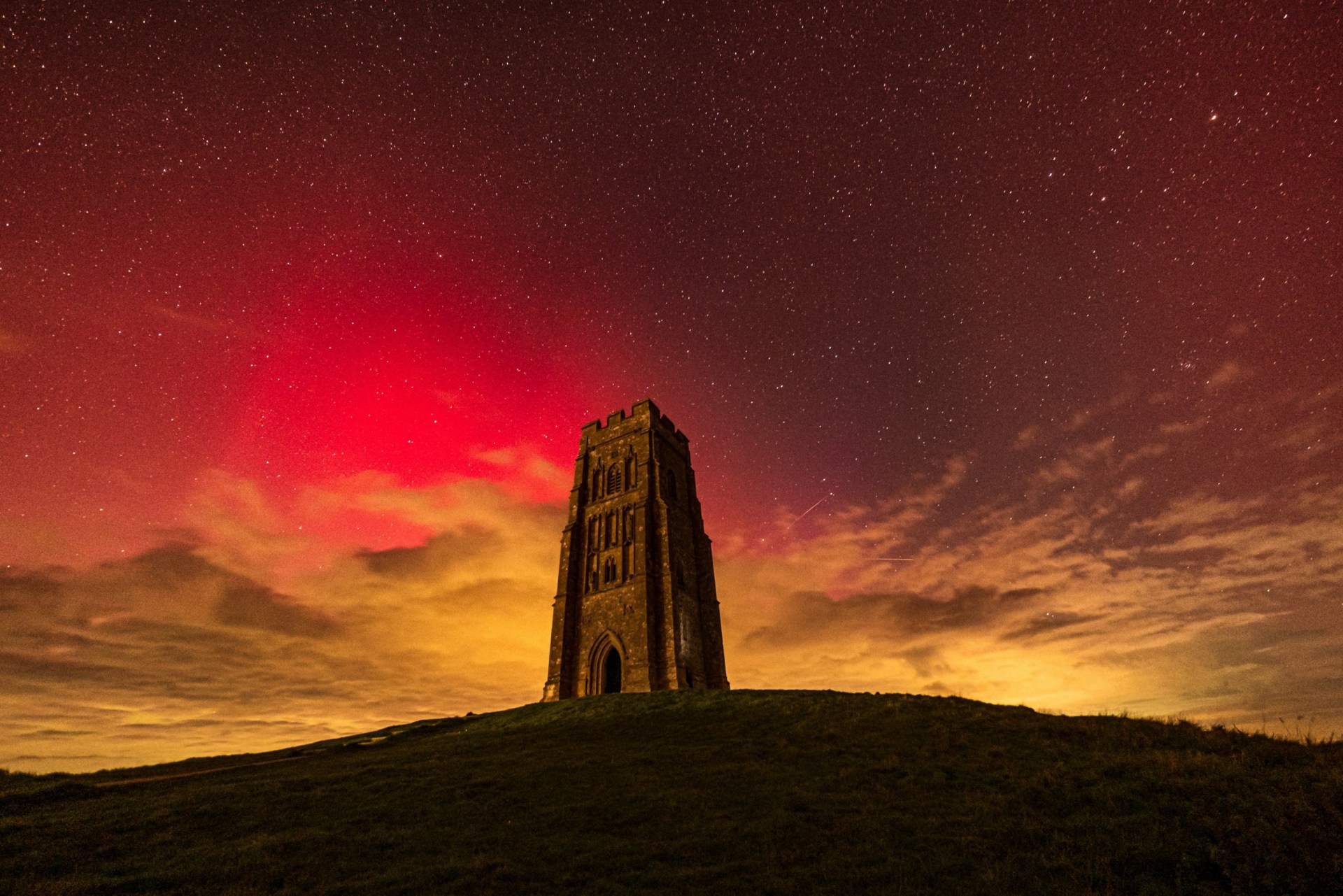
It was an experience that many would consider once in a lifetime: witnessing the Northern Lights in the UK on Tuesday night. For Josh Yonish, a 22-year-old geologist, this wasn’t his first encounter with the phenomenon. He had already seen them in Birmingham in May, just like many other Britons.
This time, however, the lights appeared above him again, with vibrant stripes of green, blue, pink, and purple dancing across the sky as the stars began to shine. “Seeing one of nature’s wonders through my bedroom window in northeast London on a cold October night felt surreal,” Josh shared. “I feel like I should be paying money to go to Iceland or Finland to see them, so I’m grateful for this opportunity!”
But why has the UK been experiencing such frequent displays of the Northern Lights this year?
What Are the Northern Lights?
The Aurora Borealis, commonly known as the Northern Lights, appear as ethereal curtains stretching across the night sky. The name itself gives away the location—these phenomena are only visible in the northern hemisphere. Their southern counterpart, the Aurora Australis, can be seen near the South Pole.
What Causes the Northern Lights?
The Earth is surrounded by a magnetic field that acts as a shield against space debris and solar particles. This field helps repel particles, including plasma ejected by the sun. When nuclear reactions occur on the sun, it releases material from its surface.
These particles travel through space at incredible speeds, up to 45 million mph. If they collide with Earth's upper atmosphere, they bounce off the planet's magnetic field and are directed toward the poles. Each particle glows in different colors—oxygen emits a greenish hue, while nitrogen appears red. When these colorful particles interact with the particles trapped in Earth’s magnetic field, they light up, creating the mesmerizing display we know as the Northern Lights.
Why Are We Seeing the Northern Lights More Often?
Traditionally, the aurora borealis is visible in regions like Iceland, Scandinavia, Canada, and Alaska. However, this year, a wide area of the Northern Hemisphere has experienced these colorful displays. According to Jo Farrow, a forecaster for Netweather, the reason lies in the sun's activity.
A solar maximum occurs during the sun's 11-year cycle when it becomes especially active. During this period, sunspots—dark areas on the sun's surface—begin to appear. These spots can burst, releasing radiation known as solar flares and massive eruptions of particles called coronal mass ejections (CMEs). When CMEs reach Earth, they cause geomagnetic storms, also known as solar storms.
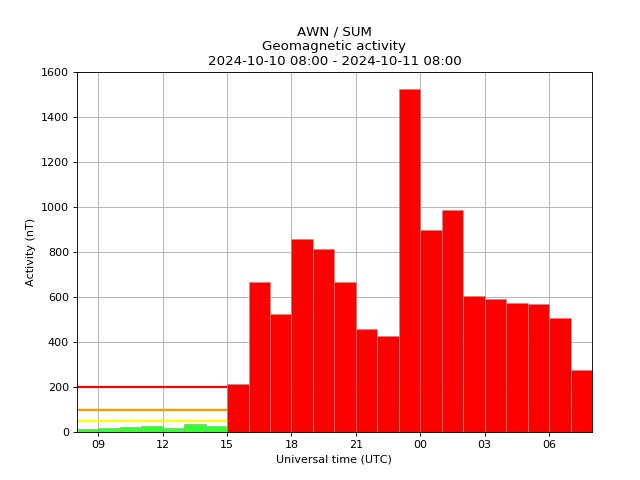
On Wednesday, the sun expelled an Earthbound CME that reached the UK yesterday evening, causing a "severe" geomagnetic storm, according to the Met Office. Farrow explained that during a solar maximum, there are more sunspots, solar flares, and CMEs, leading to more energized particles carried by the solar wind toward Earth.
Why Are the Northern Lights So Far South?
Normally, the closer you are to the equator, the less likely you are to see the Northern Lights. However, during strong solar storms, the chances of seeing them increase. Jim N R Dale, founder of British Weather Services, noted that recent solar flare ejections have been large enough to allow southern areas to witness the display, which is unusual.
How Can I Photograph the Northern Lights?
Annika Bizon, marketing director at Samsung UK, mentioned that capturing the Northern Lights on camera can be challenging. “People aren’t used to taking photos in pitch-black conditions, and there’s a real skill to it,” she said. She suggested using modern smartphones with features like Night Mode, which automatically adjusts settings to enhance details and brighten shots, even in low light.
Will We See the Northern Lights Today?
Possibly! AuroraWatch UK has issued a 'red alert' for the phenomenon, indicating it's very likely. A Met Office spokesperson said visibility is expected to be more confined to Scotland tonight, as the effects of the coronal mass ejection wane. While cloud cover and rain may obscure views in some areas, visibility is still possible elsewhere in Scotland.
Josh, who wouldn't mind seeing the lights again, noted that the experience was unforgettable. “Even though I couldn’t really see anything with the naked eye, it felt like I was watching an artificial light show on a massive scale.”