Nutrition experts share secrets to healthier bacon sandwiches after meat-cancer link
The Hidden Health Risks of the Classic Bacon Sandwich
The bacon sandwich, a beloved staple in British cuisine, is often seen as a simple and satisfying breakfast choice. However, beneath its crispy, savory layers lies a complex web of health implications that experts are increasingly concerned about.
One of the main concerns with the bacon sandwich is the high intake of processed meats, which have been linked to various chronic health conditions. These include high blood pressure, migraines, asthma, heart failure, kidney disease, and even certain types of cancer. While some scientists advocate for complete avoidance of processed meats, others suggest limiting their consumption to occasional treats rather than daily indulgences.
Experts recommend making small but impactful changes to reduce the health risks associated with this popular dish. For instance, removing excess fat from cooked bacon and grilling it instead of frying can significantly lower the fat content. Additionally, using a kitchen towel to pat the bacon dry after cooking helps absorb any remaining fat.
"Reducing the overall fat content and limiting the formation of potentially harmful compounds such as polycyclic aromatic hydrocarbons (PAHs) and heterocyclic amines (HCAs) is essential," says Rhiannon Lambert, a Harley Street nutritionist. "These compounds can form when meat is cooked at high temperatures or over an open flame."
Choosing leaner cuts of bacon, such as back bacon, can also help reduce saturated fat intake. Opting for nitrate and nitrite-free options further minimizes the potential health risks associated with these additives.
Enhancing the Nutritional Value of Your Bacon Sandwich
If you're not ready to give up your bacon sandwich entirely, there are ways to make it healthier. Adding wholemeal bread, tomato, avocado, and lettuce can provide essential nutrients like antioxidants and fiber, which may help mitigate some of the negative effects of processed meats.
"Wholemeal bread is a better choice than white bread because it provides more fiber," says Professor Sarah Berry, chief scientist at ZOE. "As 95% of us don't get enough fiber, this can help reduce the risk of other chronic health conditions."
Fiber plays a crucial role in maintaining gut health by promoting regular bowel movements and reducing the time harmful chemicals spend in the digestive system. However, experts caution that while these additions improve the nutritional profile of the sandwich, they do not eliminate the health risks associated with regular consumption of processed meats.

Understanding What Makes Bacon a Concern
Bacon is classified as a processed red meat, meaning it undergoes preservation methods such as curing, smoking, salting, or the addition of chemical preservatives like nitrates and nitrites. These processes help extend shelf life and maintain the meat's pink color and distinct flavor.
Per two rashers, unsmoked back bacon contains around 125 calories, 8g of fat, 2.5g of saturated fat, and 1.2g of salt. Smoked bacon has a similar level of saturated fat (2.8g) but slightly more salt (1.7g). Streaky bacon, on the other hand, contains more fat (10.2g) and saturated fat (3.9g) but less salt (1.2g).

The Link Between Bacon and Cancer
A 2015 study by the World Health Organization (WHO) found that consuming even small amounts of processed meat regularly—such as 50g per day, equivalent to about two rashers of bacon—can increase the risk of bowel cancer. The study suggested that nitrates and nitrites used in curing might be partially responsible for this link.
"These compounds can form N-nitroso compounds (NOCs) in the gut, which are known to damage DNA and promote carcinogenesis," explains Rob Hobson, a registered nutritionist. "In addition, bacon is often high in saturated fat and salt, which can contribute to high blood pressure and cardiovascular disease if consumed frequently."
The WHO classifies processed meat as a 'known human carcinogen' alongside smoking, alcohol, and asbestos. However, the risk levels differ significantly among these substances.
The Role of Nitrates in Processed Meats
Nitrates and nitrites are commonly added to bacon to enhance flavor, preserve freshness, and maintain its pink hue. However, when these compounds form NOCs in the gut, they can pose serious health risks.
"It’s worth noting that nitrates also occur naturally in vegetables such as spinach and beetroot," says Hobson. "However, these come with protective compounds like vitamin C and polyphenols that inhibit NOC formation. In processed meats, those protective compounds aren’t present, so the same nitrates behave differently in the body."
Some experts argue that the use of nitrates in processed meats should be reconsidered due to their potential health consequences. Recent studies have estimated that up to 5,400 bowel cancer cases each year in the UK are linked to processed meat consumption, with treatment costs averaging £59,000 per patient.
Is Turkey Bacon a Better Option?
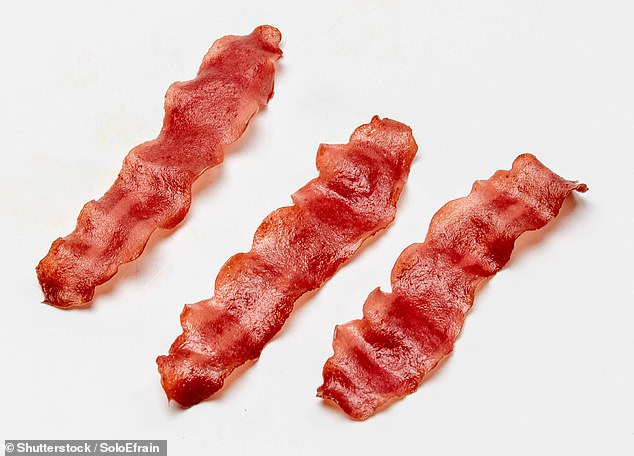
Turkey bacon is often marketed as a healthier alternative due to its lower calorie and saturated fat content compared to pork bacon. However, nutritionists caution that it is not necessarily a better choice overall.
"While turkey bacon is lower in saturated fat, it tends to be higher in salt, which isn't great for your health," says Professor Berry. "Many brands still contain added nitrates or nitrites, which carry similar risks if consumed regularly."
From a health perspective, the slight reduction in saturated fat does not outweigh the risks associated with processing. Experts recommend opting for fresh turkey or chicken breast instead of relying on processed alternatives.
Final Thoughts
While the bacon sandwich remains a cherished part of British culture, its health implications cannot be ignored. By making informed choices and incorporating healthier ingredients, it's possible to enjoy this classic dish without compromising your well-being.
