Once a Star Athlete, Now Paralyzed by a Common Virus
A Journey of Resilience: From Paralysis to Marathon Glory
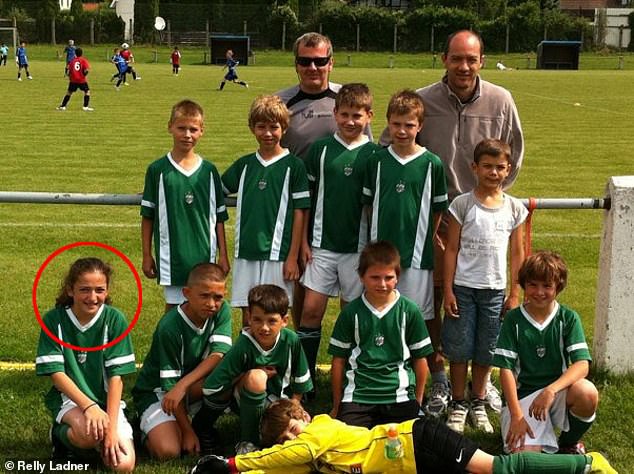
Relly Ladner, now 25, once found herself in a terrifying situation that could have ended her soccer career. At just 17, she was playing at one of the top soccer academies in the US. While on the field, she clutched her shin, but she didn’t let it stop her. Her coach encouraged her to keep playing. However, later that evening, she experienced a tingling sensation that spread from her ankles to her knees, and eventually, her legs went numb.
Doctors initially attributed this to dehydration, but the next morning, she couldn't move her legs at all. This marked the beginning of a challenging journey that would test her strength, determination, and resilience.
The Diagnosis: Guillain-Barré Syndrome
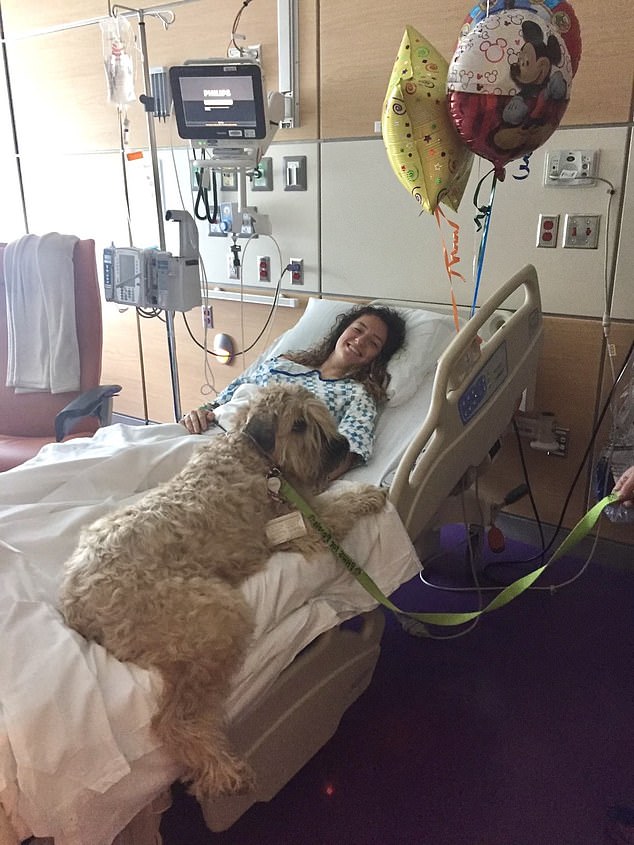
Ladner was rushed back to the hospital for tests, where doctors discovered that her leg wasn’t moving when they checked her reflexes. They then performed a spinal tap, which confirmed the devastating diagnosis: Guillain-Barré syndrome (GBS). This rare autoimmune disorder affects one in 100,000 people and causes the immune system to attack the nerves, sometimes leading to paralysis and difficulty breathing.
For Ladner, the prognosis was grim. Doctors were unsure if she would ever walk again, let alone play soccer. However, she refused to accept that fate. She had planned her life around soccer, and she was determined to return to the sport she loved.
Overcoming Adversity
Over the next eight months, Ladner worked tirelessly to regain her mobility. She painstakingly relearned how to climb out of bed, walk, run, and eventually play soccer again. Her commitment and perseverance paid off, and she made a full recovery.
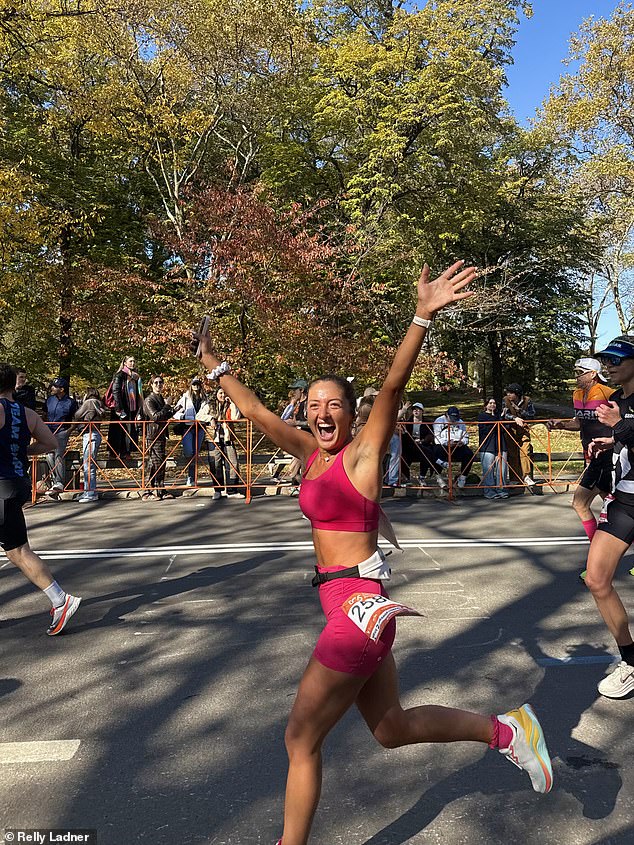
Today, Ladner is not only a marathon runner but has also completed her second New York City marathon. She credits her resilience and determination as the driving forces behind her success. "I felt scared and helpless when doctors told me I might never walk again," she said. "But I also felt motivated. I knew I was going to defy those odds."
Understanding Guillain-Barré Syndrome
GBS is a rare condition where the immune system attacks the peripheral nerves in the arms and legs, causing them to stop transmitting signals properly. In the early stages, patients may feel a tingling or numbing sensation before losing the ability to move altogether. The exact cause is unknown, but it may be triggered by the immune system misfiring after attacking a common viral infection, such as the flu, Covid, or Epstein Barr Virus.
Scientists believe that proteins in these viruses are similar to those on nerve cells, which can confuse the immune system. However, this reaction is rare, with only about 3,000 to 6,000 cases diagnosed in the US each year.
Treatment and Recovery
Ladner received immunoglobulin therapy, which involves infusing proteins from a healthy donor’s blood to fight infections. While it is not a cure, it may help by neutralizing antibodies that are causing the body to attack its own nerves. After receiving two infusions, the numbness stopped advancing, and her condition began to improve.
Alongside GBS, Ladner also suffered from aseptic meningitis, an inflammation of the membranes covering the brain and spinal cord. Although not caused by GBS, it can be triggered by blood plasma infusions.
A New Chapter
As her numbness eased, Ladner gradually regained her ability to climb out of bed and walk. She was transferred to a rehabilitation facility, where she worked with physical therapists to regain her strength and mobility. She was discharged in January 2018, eight months after her symptoms first emerged.
Today, Ladner still deals with a weak immune system, often catching colds and the flu. However, her athletic abilities have improved significantly. She returned to soccer and developed a passion for running after moving to New York City.
Joining the New York Road Runners, a nonprofit promoting running to boost health, she has completed three marathons and hopes to do more. She recently finished the Nashville marathon and has now run the New York City marathon twice.
Motivation and Reflection
Despite her progress, Ladner still fears the possibility of GBS returning. However, she uses her experience to motivate herself to run more. “People always ask me why I’m motivated to run,” she said. “I think it's because of my experience with GBS and being told I might never walk again.”
She believes that her past struggles push her to keep going, even on tough training days. “I think back to a time when I would have wished I could be doing what I'm doing now. It helps me finish.”