Online Gambling's Rise: Avoiding Its Greatest Risks
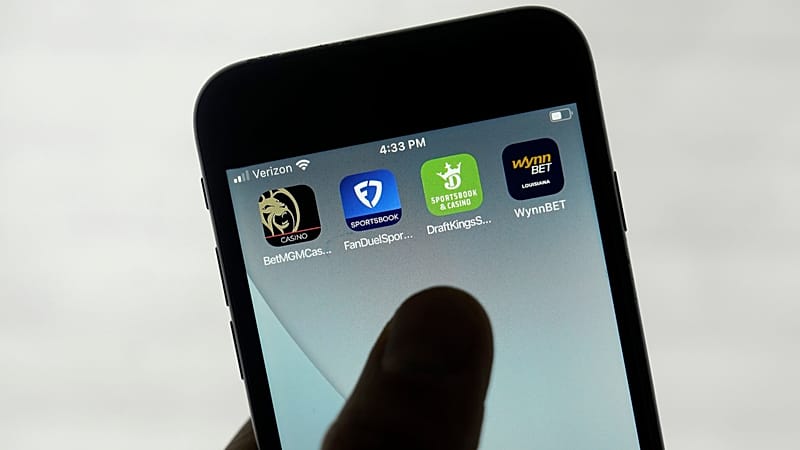
The Rise of Online Gambling and Its Implications
Online betting has become more accessible than ever, with an increasing number of scandals surrounding sports betting making headlines. Public health advocates and personal finance advisers emphasize the importance of understanding the risks associated with online gambling.
Caleb Silver, editor in chief of Investopedia, notes that while "gambling" and "responsibly" may seem contradictory, the popularity of online gambling and sports betting continues to grow. Most countries in the European Union permit some form of online gambling, including betting, poker, and casino games.
For those new to online gambling, setting limits in advance on how much money and time you're willing to spend can be beneficial. Many platforms and apps offer optional safeguards to limit time or losses, and some apps can block access for set periods.
Risks Associated with Online Gambling
Online gambling can be riskier than traditional in-person gambling. According to Heather Eshleman, director of operations at the Maryland Center for Excellence on Problem Gambling, the potential losses from digital betting can occur more quickly due to the ease and speed of placing bets through the internet or apps.
The rise of prediction markets like PredictIt and Kalshi has also created new opportunities for online wagers on various topics, from election outcomes to celebrity news and weather forecasts.
Recognizing Signs of a Problem
Public health advocates highlight that one of the biggest warning signs of a problem with online gambling is when it starts to interfere with other aspects of life, especially relationships and work. Spending money on gambling that could otherwise be used for basic needs is another red flag.
Eshleman advises people to use only money they would consider fun and entertainment, not funds needed for essential expenses like rent or food. Silver echoes this sentiment, emphasizing the need to know how much you can afford to lose before engaging in any form of online betting.
Strategies to Limit Online Gambling
Most sports betting platforms offer “responsible gambling tools,” according to Eshleman. These include setting limits on time, money, deposits, wins, and losses. She recommends using apps such as GambBan and BetBlocker, which externally limit access to gambling sites. For those who suspect they may have a problem, contacting Gamblers Anonymous is also advised.
Understanding the Risks and Downsides
Silver, head of Investopedia, mentions that he started adding definitions of online betting and gambling terms to the site due to the growing connection between sports betting, day trading, options trading, and cryptocurrency trading. He encourages those interested in digital betting to understand the fundamentals before creating an account.
Before getting an online gambling account, individuals should learn about key terms such as the "money line" or "parlay," how odds work, and the maximum possible loss. Silver also advises playing with no expectation of a return, as the likelihood of losing is high.
Responsible Gambling Initiatives
Cory Fox, senior vice president of public policy and sustainability at FanDuel, compares using responsible gambling tools to wearing a seatbelt while driving. He emphasizes FanDuel's commitment to being a responsible operator in the online gambling space.
Lori Kalani, chief responsible gaming officer at DraftKings, shares the same goal, comparing the use of limit-setting tools to taking Ubers instead of driving on nights when drinking is expected. Fox adds that responsible gambling tools help maintain FanDuel's social license and ensure long-term user engagement.
Avoiding Gambling as a Coping Mechanism
Eshleman highlights that focusing on mental health reduces the likelihood of developing a gambling problem. Instead of turning to online betting for stress relief, she encourages finding positive coping mechanisms such as listening to music, taking walks, getting more sleep and exercise, and spending time socializing.
Social gambling is considered safer than hidden, private gambling, Eshleman says. If gambling is done alone, it may indicate an unhealthy activity. She emphasizes that focusing on overall wellness can prevent many gambling-related issues.
