Parents neglect toddlers' 'magic years' due to overwork - expert
The Impact of Work-Life Balance on Early Childhood Development
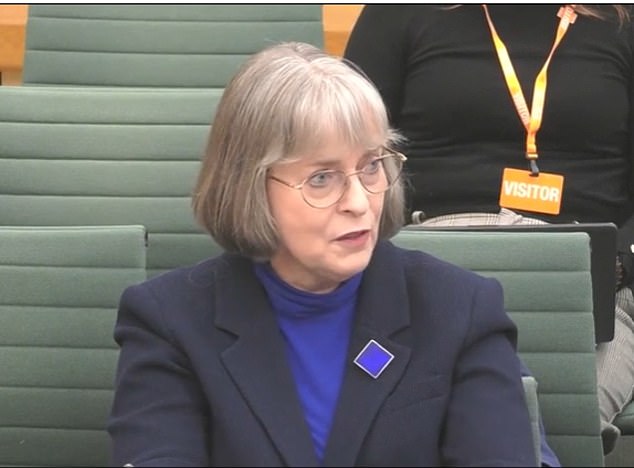
Parents are increasingly feeling overwhelmed and stressed during the crucial early years of their children's lives, according to an expert warning. Eva Lloyd, Emeritus Professor of Early Childhood at the University of East London, has highlighted how the pressures of work and home life interfere with parents' ability to enjoy these formative years.
Professor Lloyd emphasized that the "magic years" from birth to five are a critical period for a child's development. However, many parents find themselves too busy or anxious to fully engage with their children during this time. This situation is not limited to low-income families but affects all socioeconomic groups.
In contrast, Nordic countries place significant economic value on parents spending time with their children. They support this through various policies, including tax systems that recognize the importance of caregiving. These nations have implemented measures such as shared parental leave, which allows both mothers and fathers to take time off to care for their children.
The Role of Government Policies in Childcare
The discussion came up during a session with the Commons Education Select Committee following the rollout of 30 hours of free childcare for working parents. Tory MP Dr Caroline Johnson raised concerns about pre-schoolers spending more time away from their parents, with the state taking on more roles traditionally held by parents.
She questioned whether it is desirable for children to spend so much time in state-funded care and suggested that resources might be better spent supporting parents to spend time with their children. This perspective highlights the need for policies that prioritize family time over institutional care.
Professor Lloyd responded by stating that the current societal structure makes it difficult for parents to enjoy their children during these early years. She noted that the home environment plays a more significant role in a child's educational outcomes than nursery settings. Therefore, supporting families in enjoying their children is essential.
Support for Working and Non-Working Parents
Professor Lloyd advocated for support for both working parents and those who choose to stay at home. She called for a range of interventions, including family-friendly employment practices and more "stay and play" clubs. These initiatives aim to create a more balanced approach to parenting and work.
Other committee members discussed the rising cost of living and house prices, which force many parents to work more than they would prefer. This trend exacerbates the challenges faced by families trying to balance work and family life.

Lessons from the Nordic Model
Professor Lloyd suggested that the UK could learn from the Nordic countries, particularly Sweden, which introduced shared parental leave in 1974. She pointed out that these countries recognize the economic value of parents raising their children and make allowances for this in their policies.
This includes financial support for child-rearing through tax systems, benefits, and other means. Such approaches ensure that parents are adequately supported in their caregiving roles, rather than relying solely on subsidies for early education and care.
School Readiness and Educational Targets
The session also touched on Labour's target of having 75% of children "school ready" by 2028, up from the current 68%. Dr Tammy Campbell of the Education Policy Institute warned that this goal could lead teachers to focus on easy wins, neglecting children who may not meet the target.
Professor Lloyd agreed that this approach is risky. School readiness is assessed by teachers at the end of Reception, with scores based on communication and language, personal, social, and emotional development, physical development, literacy, and maths.
A Department for Education spokesman stated that the government remains committed to ambitious goals for children and families, aiming to break down barriers to opportunity. They highlighted the expansion of high-quality, affordable childcare across the country and the introduction of Best Start Family Hubs.
Conclusion
The debate around childcare and early childhood development underscores the need for a balanced approach that supports both parents and children. By learning from successful models and implementing policies that prioritize family time, the UK can better support its youngest citizens and their caregivers.
