Resident Doctors' 2025 Strike: Key Dates Revealed
NHS Doctors Begin Five-Day Walkout Over Pay Dispute
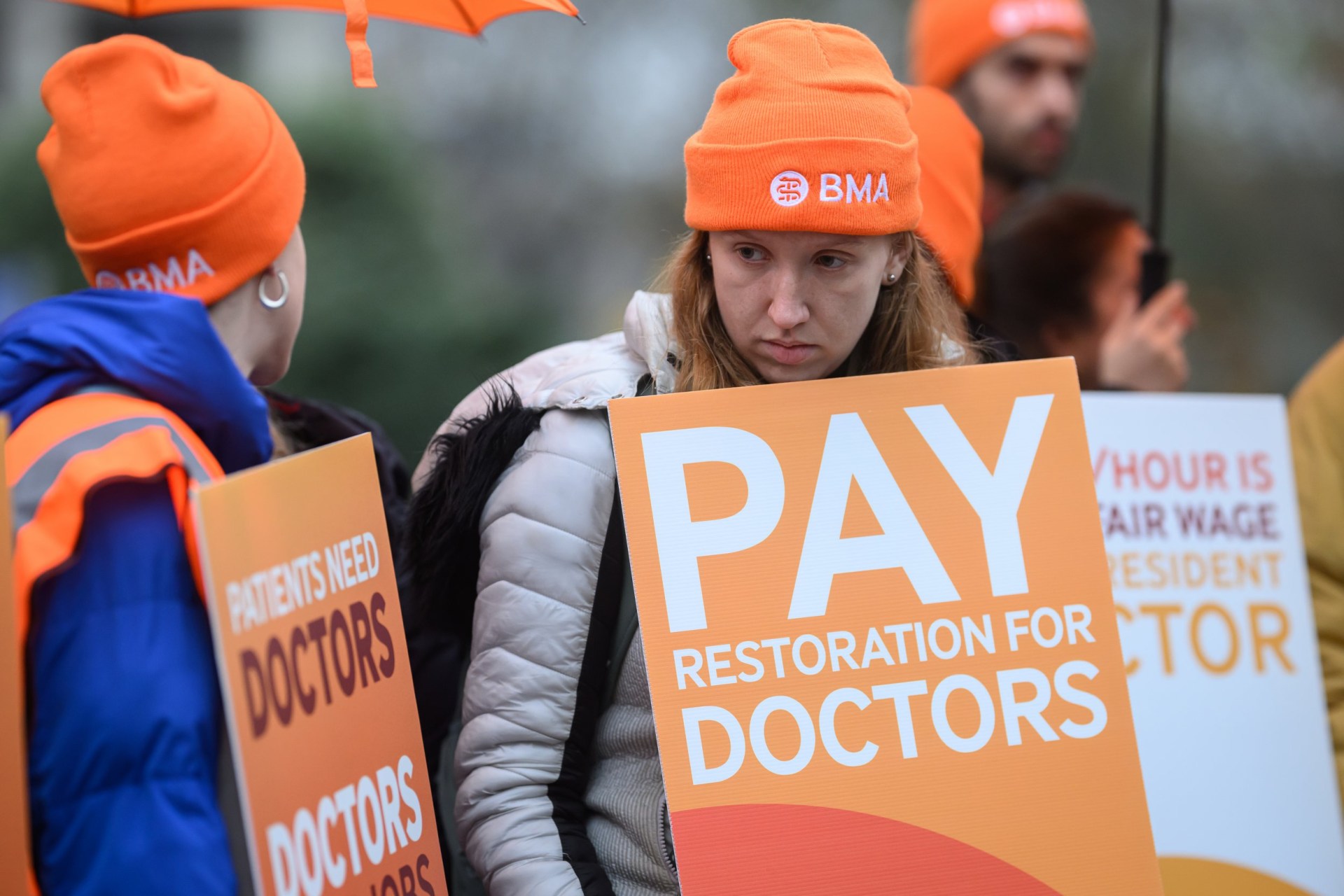
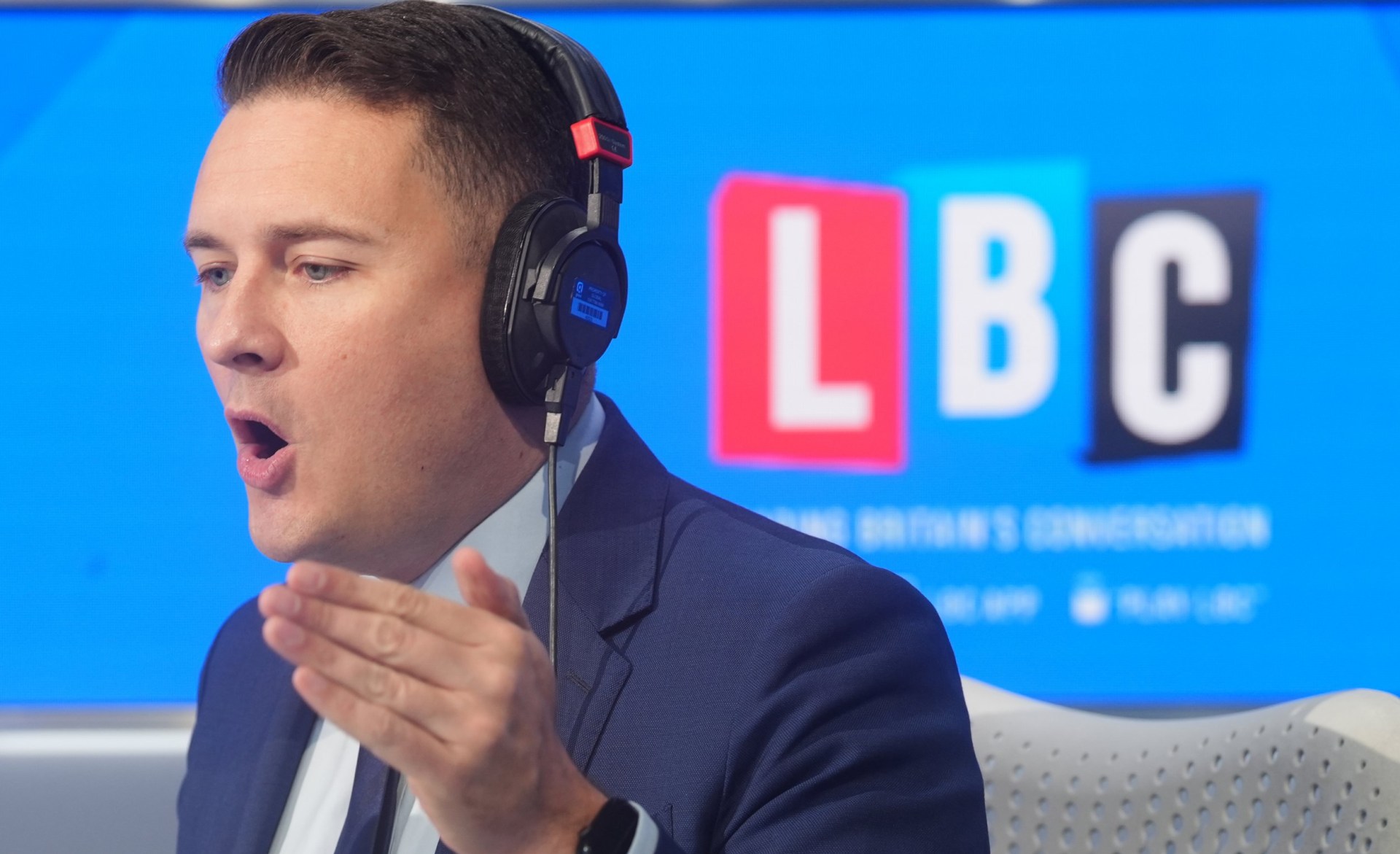
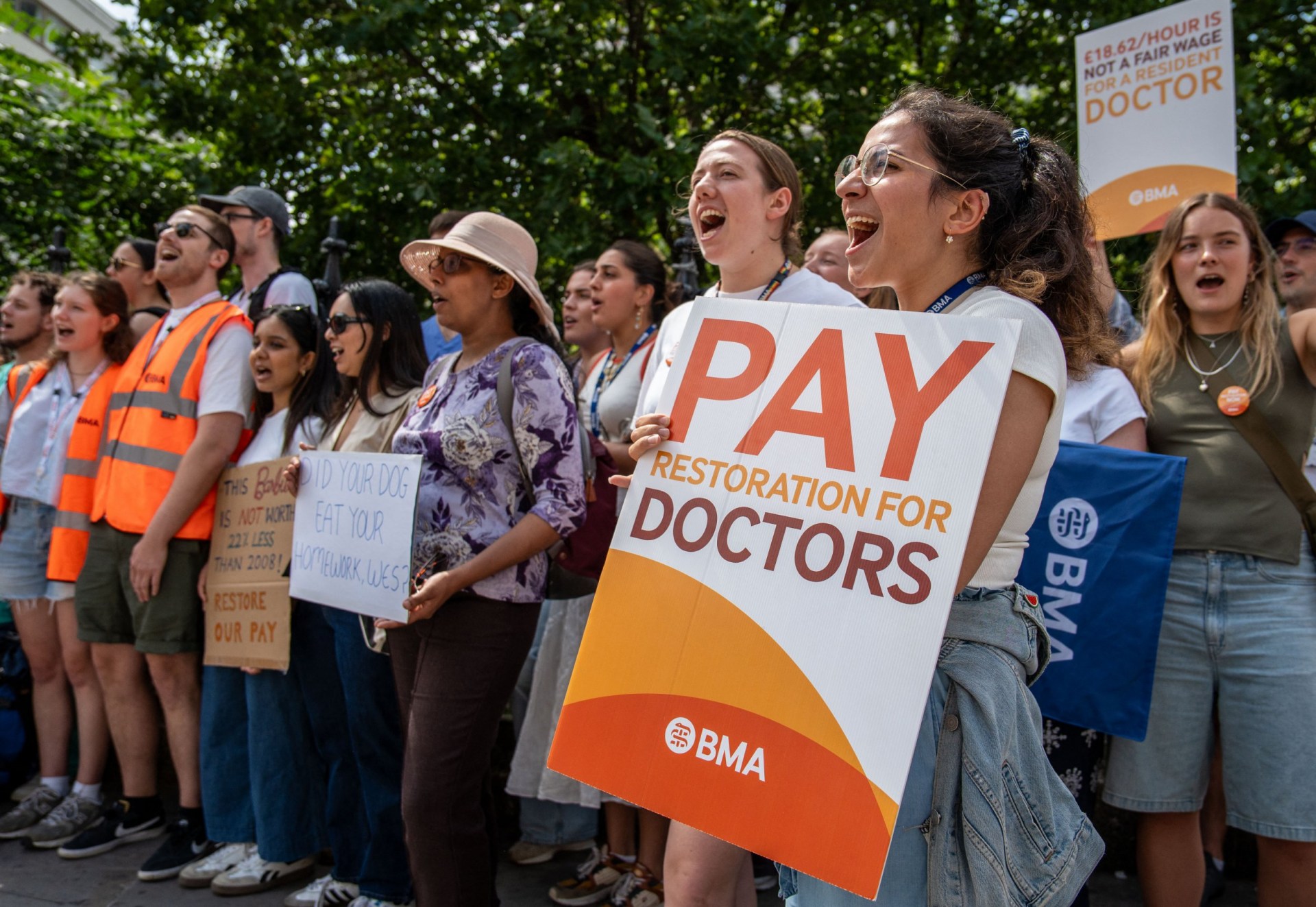
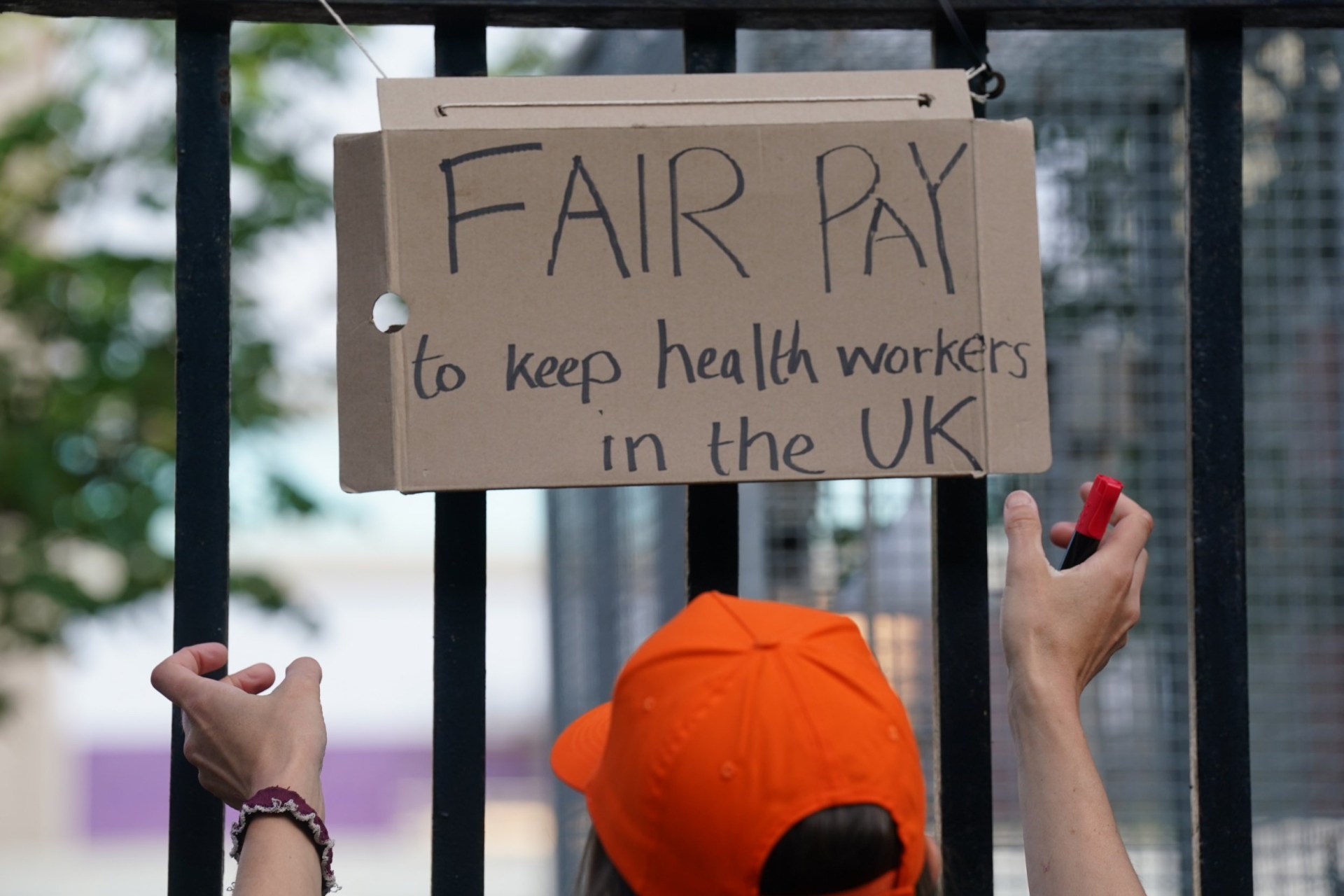
NHS doctors in England have initiated a five-day walkout, impacting emergency care services. The strike has sparked significant debate, with Health Secretary Wes Streeting labeling the striking doctors as a “cartel.” This action follows failed negotiations between the British Medical Association (BMA) and the government regarding pay disputes.
Resident doctors, previously referred to as junior doctors, are at the center of this conflict. The dispute has been ongoing since March 2023, marking the 13th strike in the last two years. The BMA argues that despite a 28.9% pay rise over the past three years, wages remain 20% lower in real terms compared to 2008.
Reasons Behind the Strike
The strike was announced after a meeting with Mr. Streeting, which the BMA described as “disappointing but not unredeemable.” The BMA has urged the health secretary to resume discussions. Dr. Jack Fletcher, chair of the BMA’s resident doctors committee, expressed frustration, stating:
- “This is not where we wanted to be.
- We talked with the Government in good faith – keen for the health secretary to see that a deal that included options to gradually reverse the cuts to pay over several years, giving newly trained doctors a pay increase of just a pound an hour for the next four years.
- While we want to get such a deal done, the Government seemingly does not, leaving us with little option but to call for strike action.”
Fletcher emphasized the need for better employment prospects and restored pay as viable solutions for resident doctors. However, Mr. Streeting criticized the strike as “preposterous,” calling it “unreasonable and unnecessary.”
Government's Response
Mr. Streeting argued that the BMA’s decision to strike is “reckless posturing” and warned that the strikes could harm patients in the long run. He stated:
- “We will not allow the BMA to wreck the NHS’s recovery.
- I urge the BMA to call off these needless strikes and come back to the table. They have a Government that wants to work with them to improve the working lives of resident doctors and create an NHS fit for the future.”
He noted that while the government cannot negotiate further on pay this year, doctors have received pay rises over the last three years. Additionally, he proposed a deal to cover some out-of-pocket expenses, such as exam fees.
Prime Minister Keir Starmer also addressed the issue, urging resident doctors not to proceed with strike action. In a statement published in the Times, he described the strikes as a “huge loss for the NHS and the country.”
Duration and Impact of the Strike
The strike will take place from 7am on November 14 until 7am on November 19. The BMA’s resident doctors committee has repeatedly called for a multi-year pay deal or in-year improvements to resident doctors’ pay. Following talks with Health Secretary Wes Streeting, they felt the government’s plans for pay and job restoration were not credible enough, prompting the strikes.
Resident doctor leaders met with Mr. Streeting on October 13, discussing issues related to underpayment and job shortages. Despite these discussions, they felt there was “little option but to call for strike action.”
Patient Impact
The strikes could cause disruptions and possible cancellations, similar to previous strikes. However, NHS England assures that all services will still be operational. The organization aims to keep 95% of non-urgent work, such as knee operations, running smoothly.
Consultants and other senior doctors will be offered overtime to fill gaps, though this is expected to cost around £240 million to fully cover the rota. While the exact number of affected patients is unclear, previous strikes have resulted in thousands of canceled appointments.
Patients may expect their appointments to be rescheduled as resident doctors walk out next month.