Restaurateur Sounds Alarm: NYC Food Prices to Double Under Mamdani as Three Eateries Halt
Rising Concerns Over New York City's Business Climate
Two of New York City’s most influential restaurateurs have expressed concerns over the city’s evolving business environment, citing Mayor-elect Zohran Mamdani’s progressive agenda as a key factor in their decision to halt future expansion plans. The pair, who have long been pillars of the city’s dining scene, believe that the current political climate is creating a sense of uncertainty that is driving businesses out of the city.
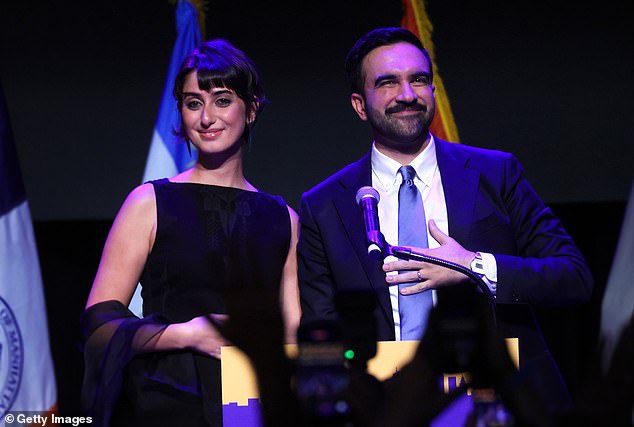
Mamdani, 34, is set to become the youngest mayor in New York in over a century and the first Muslim, South Asian, and African-born leader of the city. His campaign centered on a Democratic socialist platform, including raising the minimum wage to $30 by 2030. This has sparked backlash from some business owners, who fear that such measures could further strain already tight margins.
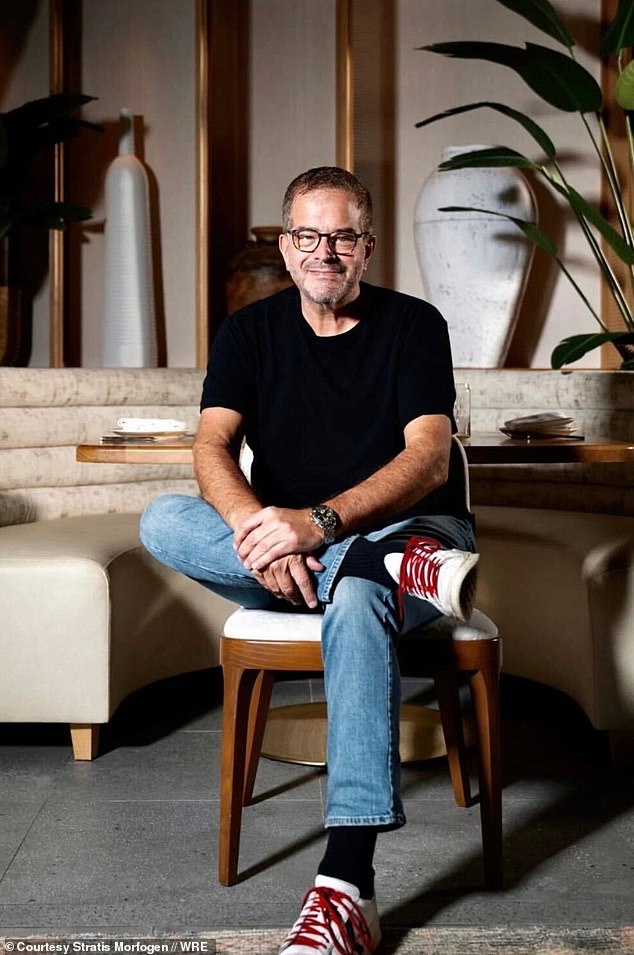
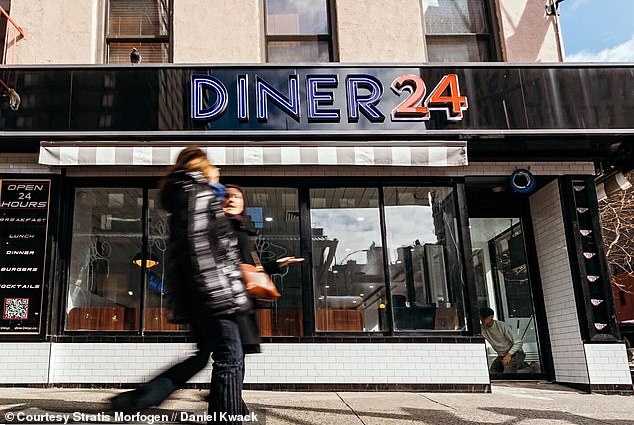
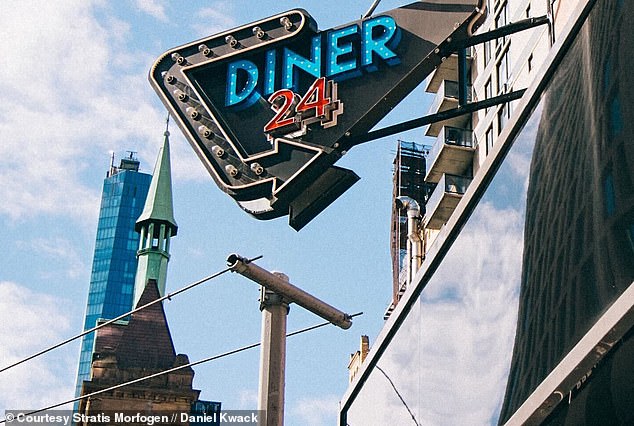
Stratis Morfogen, the entrepreneur behind the revived 24-hour diner Diner 24, had planned to open three additional diners in 2025 and 2026. However, all expansion efforts are now on hold. Morfogen said he raised millions for the project but decided to wait until after the election. “I got one open, and that was two years ago,” he told the Daily Mail. “I raised all the capital, we're ready to go, but I wanted to wait till the election's over. And now? Diner 24 is doing great, but our margins are 10 percent. There's not room for another hit.”
Morfogen emphasized that the issue was not just about financial risk but also the political implications of Mamdani’s policies. He pointed to the potential increase in food prices, stating, “The $12 hamburger becomes $22. That's unfortunate, but obviously we have to pay our bills and stay in business.” He also highlighted the impact of proposed changes to overtime regulations, which he believes would make it even harder for small businesses to survive.
For Morfogen, the stakes extend beyond financial concerns. He noted that his most profitable hours are between midnight and 5am, a time when police security is crucial. “If he's going to defund the police, and I'm hearing NYPD heroes are retiring in droves, that's scary to me,” he said. “If that's the case, then I've got to start limiting my hours, because I'm going to protect my staff.”
In addition to rising labor costs, Morfogen cited increasing storefront rent taxes as a major challenge. “There's nothing left. We won't be able to pay our bills,” he said. “Tell Mamdani to remove it. If he wants to help small business, that's where you start.”
Despite his frustrations, Morfogen said he would be willing to meet with Mamdani. “He's quite impressive. But he's never run a lemonade stand,” he said. “I'd love to give him a perspective as a small business owner. We're the ones that create the jobs. Not necessarily the billionaires.”
Richie Romero, a veteran in the hospitality industry, echoed similar concerns. With over 33 years of experience, he has operated more than 40 venues and owns 29 restaurants nationwide. He described New York’s regulatory environment as “impossible” for small businesses. “There's red tape everywhere,” he said. “A young dreamer spends a year and a half trying to open, burns all their capital, and never gets the place off the ground. Meanwhile, big companies can afford to wait.”
Romero pointed to the growing number of vacant storefronts, with “thirty to forty percent” showing “For Rent” signs. He attributed this to rising taxes and the shift to remote work, which has led to empty office spaces. “When Bloomberg was mayor, offices were full, it was business-friendly, and the top fed the bottom,” he said. “Now, we're living in a remote world and offices are emptying.”
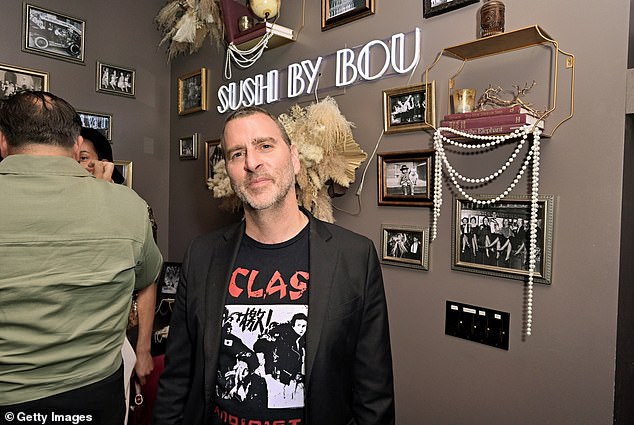
Romero also warned that Mamdani’s proposal to eliminate the tip credit would be devastating for the restaurant industry. “The business would cost $25,000 to $40,000 more per employee annually,” he said. “If you're a bartender or server used to making $600 to $700 a shift, now you're capped. You'll make $240. Are you going to continue doing that?”
He argued that raising the minimum wage to $30 an hour would make New York uniquely hostile to operators. “You eliminate the tip credit, raise minimum wage, raise business taxes - you're talking 60 percent closures,” he said. “Why would anyone do business here? The risk versus reward doesn't make sense.”
Romero has already begun shifting his focus to other markets. “Next year, I have 15 locations opening. Only one is in New York,” he said. “Secondary markets are stronger because developers, government, and small business actually work together. They want you there.”
Both Morfogen and Romero expressed hope that Mamdani would listen to the concerns of small business owners. “He should hear from small business owners,” Morfogen said. “We're the ones creating jobs. If he wants to protect New York's future, that's who he needs to start with.”
