Rising ketamine addiction among Singapore's schoolchildren

The Growing Crisis of Ketamine Use Among Young People
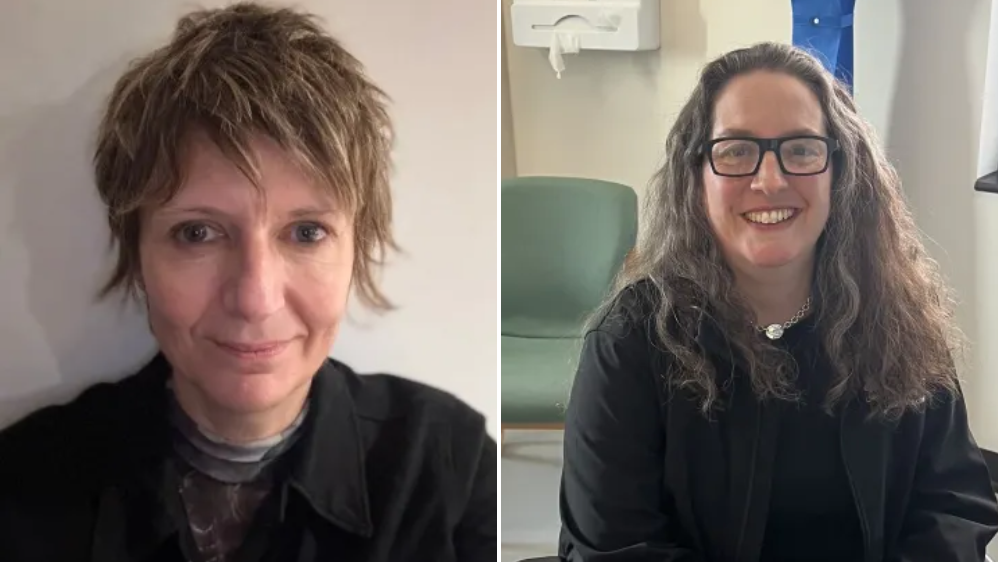
A powerful warning from a psychologist who supports young addicts highlights the alarming trend of ketamine use among children. According to Dr Lisa Ogilvie, “Instead of going behind the bike sheds for a cigarette, kids are going behind the bike sheds for a ketamine hit.” This statement underscores the increasing prevalence of ketamine, a dissociative and anaesthetic drug commonly known as horse tranquiliser, which costs around £10 to £20 per gram.
Dr Ogilvie, who works at the addiction and rehab charity Acorn in the North West of England, has set up a ketamine support group. She explains that the allure of the drug among young people is due to its affordability and accessibility. “It is a quick cheap fix. Kids can do it in a lunch break at school and then potentially go back to a lesson, and the teacher won’t be aware that they’ve just gone and taken a class B drug.”
The average age for seeking support for alcohol or cocaine addiction is mid-40s, but for ketamine, it’s 25 or younger. While individuals must be 18 to seek help, some clients tell Dr Ogilvie that their addiction began during their school years.

The Role of Technology in Ketamine Access
Kerrie Lang, a service manager at Acorn, believes that ketamine dealers are being “quite creative and clever” to entice children into using the drug. “Generations ago, you had to know somebody and go somewhere to score. Now it’s a click of a button. Everyone’s got a phone and on social media.”
Dealers make it so quick and easily accessible. You could go on an app now, pick a nice, fancy name and some top-rated dealer, it’d be outside in literally 10 minutes.” Dr Ogilvie notes that children may use their pocket money or lunch money to pay for the drug, while some have access through family, such as older siblings. Others might sell ketamine to their peers to raise money for their habit, creating mini supply chains where younger kids acquire the drug from older children.
The Impact on Health and Education
Kerrie says that Acorn usually expects drug use in young people to occur around the age of 18 and early-20s, when people are going to clubs and festivals. “So to see something so damaging within schools… Because of a lack of education, children are getting involved in something that they just don’t understand the consequences of.”
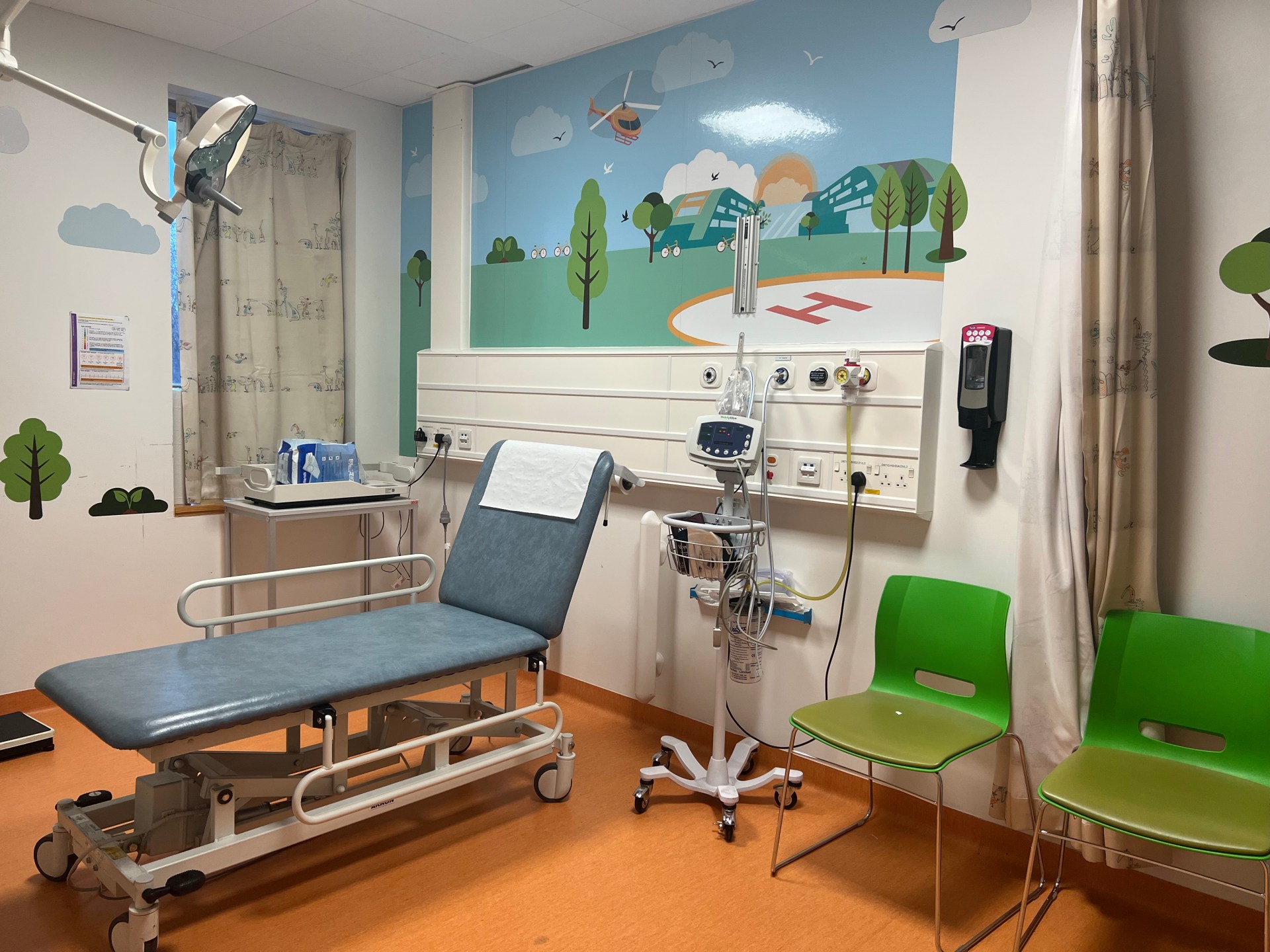
Professor Rachel Isba, along with paediatric urologist Dr Harriet Corbett, set up the UK’s first ever ‘ketamine bladder’ clinic at Alder Hey Children’s Hospital. “For something you’re doing within a relatively short time, it can have a catastrophic impact on your bladder,” she explains. “If you’re 14, seeing a 19-year-old in nappies for the rest of their lives is quite striking.”
Understanding Ketamine-Induced Uropathy
Initially, ketamine users might not feel any side effects of the drug for months or even years. But when they do start to kick in, it begins with cramps, pain in the bladder and blood in the urine as the drug damages and eventually destroys the bladder’s lining. This destruction exposes nerve endings to urine, causing inflammation and pain, and eventually the bladder lining is passed in the urine, leading to patients thinking they’re ‘peeing jelly’.
As ketamine use continues, the bladder pain continues to get worse, until eventually normal painkillers have little effect and only ketamine helps to relieve it – keeping users in a cycle of addiction. In the worst cases, patients can end up with kidney failure, incontinence, or even having their bladder removed and being forced to use a urostomy bag.
Personal Stories of Addiction and Recovery
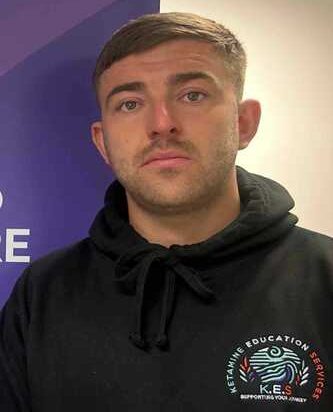
Former ket user Finley Worthington runs Ketamine Education Services (KES), a support group which recently became a CIC. He hosts talks about the drug in schools, and has met children who started using ket in primary school. At the beginning of his sessions, he asks questions about the drug to gauge the kids’ knowledge base. He remembers one child who knew all the answers: “A 13-year-old lad who was sniffing three-and-a-half grams a day.”
Now 26 and clean, Finn tells that he first started using ketamine as a teenager. “I absolutely hated it to start with. The complete disassociation from reality was quite scary, but soon it gave me the escape that I craved so much.”

The Need for Better Support and Education
For those aged over 18, there are rehab and detox options both private and through the NHS, however there are few private clinics willing to take 16-17-year-olds and nothing on offer for those under 16, says Professor Isba. “A colleague found a detox placement for an under-16 in the Netherlands – that was the closest they could find.”
Recent analysis from King’s College London found ket deaths had increased tenfold in a decade, from 15 deaths in 2014 to 197 in 2024. Professor Isba also warns that after someone has their bladder removed, their risk of dying by suicide increases.
Hope for the Future
Thanks to a small number of support groups like Acorn and KES, young people in ket recovery are learning there is light at the end of the tunnel. “There’s a lot of things they share in these groups that only people with lived experience of this would know,” explains Dr Ogilvie. “They give each other tips and life hacks on how to deal with the consequences they’re experiencing.”
Finley is undergoing regular treatment which involves a liquid being pumped into his bladder via a catheter to repair its damaged lining. He still has to go to the toilet more often than usual – waking up two or three times per night – but the cramps have significantly reduced.
Kerrie believes that if more health and substance misuse workers are better educated about the impacts of ketamine, they can offer improved support. “Our GPs need to be more educated around ketamine, as I think there’s a massive stigma within health professionals around addiction,” adds Finn.
A Department for Health and Social Care spokesperson told : “No child should be accessing or taking illicit drugs. We are driving down the use of drugs like ketamine, ensuring more people receive timely treatment and support, and launching a national ketamine awareness campaign targeting young people through schools and social media.”
