Ryanair Passengers Alerted on Heavy Airport Fee as Controversial Boarding Rule Begins Today
Ryanair's Paperless Boarding Pass Policy: A New Era or a Challenge for Seniors?
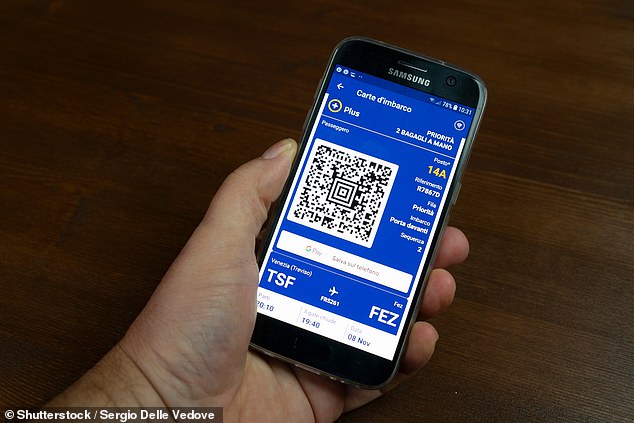
Ryanair, the Irish low-cost airline, has announced a significant change to its boarding process. From today, passengers will no longer be able to use printed boarding passes. Instead, the airline is transitioning to a paperless system that requires travelers to download a digital version of their boarding pass via the Ryanair app during check-in.
This shift has sparked considerable debate, particularly among older travelers who may not be familiar with using smartphones or digital platforms. The new policy means that airport desks will no longer offer the option to print boarding passes, which previously came with a fee of £55. It is expected that those arriving at the airport without a digital boarding pass will face similar charges.
The move is part of Ryanair’s broader strategy to modernize its operations and reduce costs. According to CEO Michael O’Leary, between 85 and 90 per cent of the airline’s 200 million annual customers already use digital boarding passes. He claims that this transition will not negatively impact any specific group of passengers, provided they check in online before arriving at the airport.
However, some concerns remain. For instance, there are two exceptions to the rule:
- Passengers flying to Albania will still be required to present paper passes until March 2026. Authorities there have insisted on this requirement, after which digital passes will be accepted.
- Morocco has a similar policy to Albania, but it will not change its rules to accommodate Ryanair’s paperless approach. In this case, the airline will accept physical passes for flights to the African country.
Despite these exceptions, the overall trend is toward digital-only boarding. Some charities have raised concerns about the potential challenges this could pose for older passengers and individuals with limited digital skills. Caroline Abrahams, director of Age UK, highlighted that companies must consider the four million people in the UK who have never used the internet, as well as others with limited digital skills.
She emphasized that alternative booking methods and ticket display options should be available for those who are not online. However, Mr. O’Leary maintains that the change will not affect specific groups as long as they can check in online in advance.
He pointed out that a "vast number" of over-50-year-olds already use smartphones and digital boarding passes. To support those without smartphones, he assured that no one would be left stranded, provided they check in online before arriving at the airport, where they can pick up a free boarding pass.
For those who fail to check in online, the cost could be steep—£55 for not having a digital boarding pass. Mr. O’Leary explained that passengers receive multiple reminders via SMS and email, urging them to check in before arrival.
He also defended the transition in September, claiming that his 86-year-old mother uses the app and dismissed the idea that older people cannot adapt to technology. “I’m old, and I travel from Ryanair on a very regular basis, and I use the Ryanair app. It is pretty simple, pretty easy to use,” he said.
Mr. O’Leary added that older passengers often get help from family members to make bookings, and then quickly adopt the app themselves. He criticized the notion that older people cannot move to mobile technology or apps, calling it slightly patronizing.
He also mentioned that the airline will be reasonably forgiving of passengers who show up with paper boarding passes through Christmas and into January. If a passenger loses their phone or it gets stolen, they can still be manually boarded at the gate, provided they checked in online before reaching the gate.