Seattle's 'White Female Mamdani' Mayor, Still Living Off Parents
Seattle Elects First Democratic Socialist Mayor
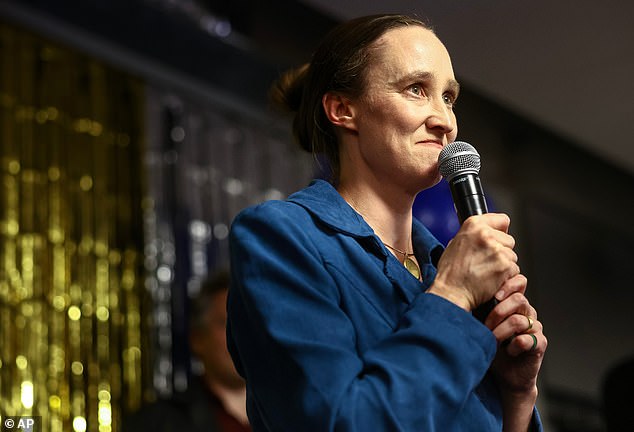
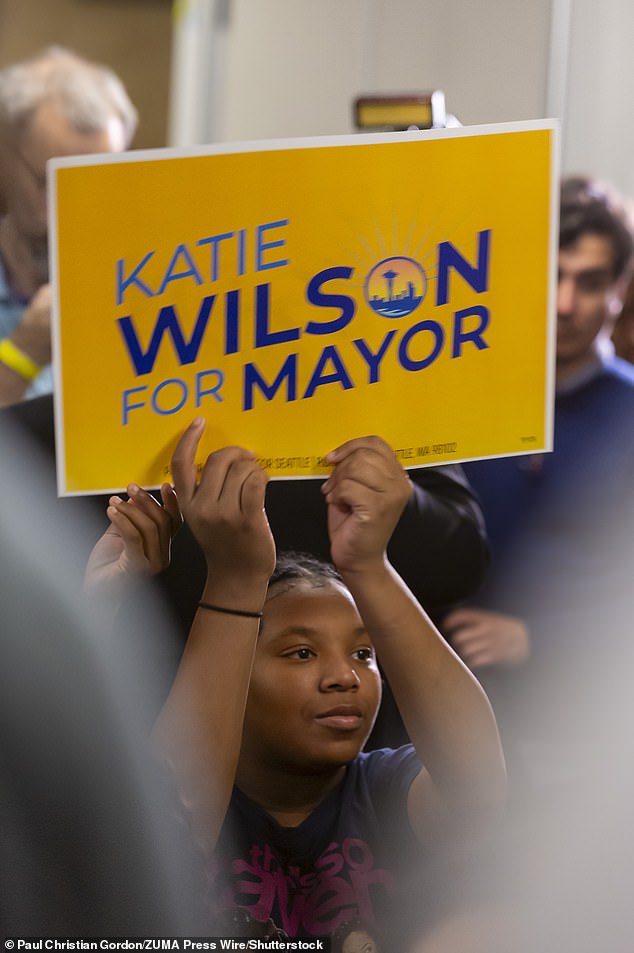
Seattle has made history by electing its first democratic socialist mayor, a move that mirrors the recent success of Zohran Mamdani in New York City's mayoral race. Katie Wilson, 43, has secured a nearly 2,000-vote lead over incumbent Bruce Harrell as of Wednesday, making it unlikely for Harrell to close the gap with just over 1,300 votes remaining to be counted.
Wilson's campaign focused on increasing affordability and addressing Seattle's severe homelessness crisis, which ranks among the worst in the country. However, her background has sparked controversy, with critics questioning her perceived privilege and connection to the city's working class.
Criticisms and Controversies
Critics have pointed out that Wilson regularly receives financial support from her professor parents for childcare expenses. They also highlighted that she dropped out of Oxford University just six weeks before graduation, leaving the institution without debt thanks to her family’s financial backing.
Harrell's reelection website included a quote from Carolyn Riley-Payne, former President of the Seattle King County NAACP, who expressed skepticism about Wilson's ability to relate to affordability challenges. "It's hard to trust a candidate running on their challenges with affordability when her family’s wealth shields her from actual consequences and financial stress," Riley-Payne said. She further noted that Wilson chose not to graduate from college and now relies on parental support to avoid financial hardship.
Personal Background and Financial Situation
Wilson and her husband spend $2,200 per month on daycare for their toddler and another $2,200 to rent their apartment. Despite this, she shared with KUOW that when she moved to Seattle in 2004, she cut herself off from her parents' money and worked various working-class jobs. "Psychologically, it really did something to me," she said.
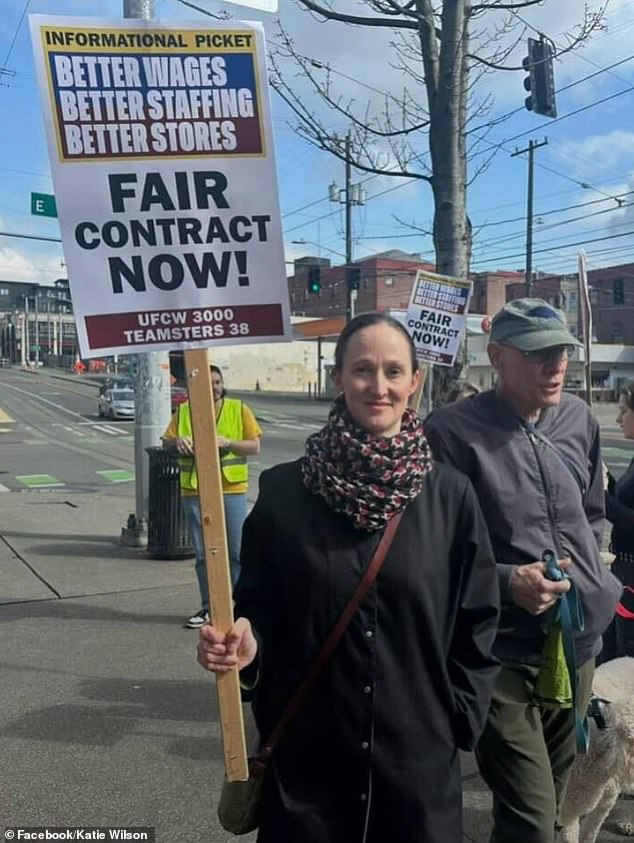
In 2011, Wilson founded the Transit Riders Union, a nonprofit focused on improving public transportation in Seattle and King County. Tax records show she earned close to $73,000 from the nonprofit in 2022 while working 55-hour weeks. Currently, her husband does not have a paying job, meaning the couple's household income is below what would be considered sufficient to support themselves and their child in Seattle.
"It just speaks to how expensive and unaffordable it is, right?" she told KUOW. "If you're lucky enough to have parents who can pitch in a little bit, that's not something to be embarrassed about."
A spokesperson for Wilson's campaign previously told the Daily Mail: "Families from all different kinds of economic backgrounds support each other in all different kinds of ways."
Election Turnout and Comparisons
In August, Wilson won the mayoral primary by 9.5 points. Turnout at the primary this year was slightly lower than the last election in 2021, according to Ballotpedia.
Unofficial King County election results last updated on Friday showed that about 40,000 more registered voters cast their ballots in the general election than in the primary. That represented about 46 percent of the city's registered voters, which is lower than the 54.6 percent turnout in the 2021 general election.
This lower turnout contrasts sharply with New York City's mayoral election, where 2 million votes were cast—the most by raw number since 1969 and the highest percentage of registered voters to engage in the election since 2001.

The Broader Implications
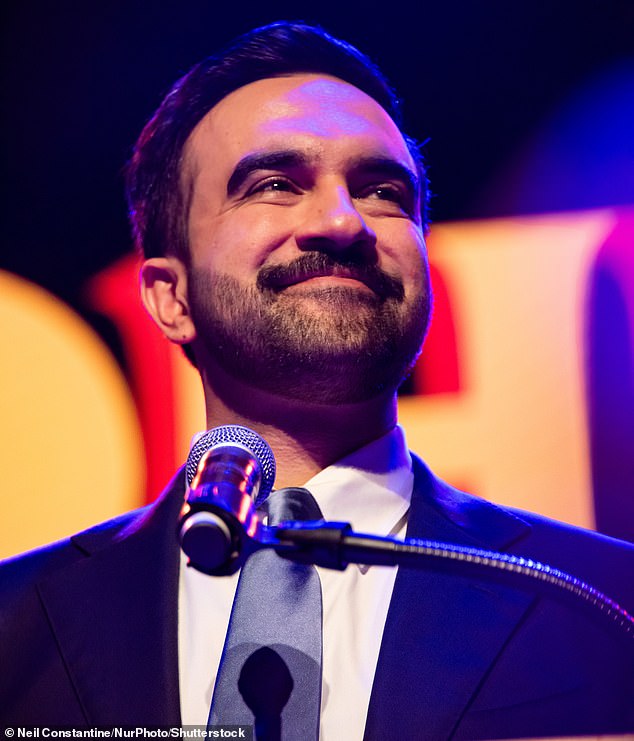
The election of Katie Wilson raises questions about the future of progressive leadership in urban centers. Is Seattle's new mayoral favorite Katie Wilson the boldest left-wing leader in city history? How does her race reflect the broader debate between privilege and populism, especially as she faces off against millionaire incumbent Bruce Harrell?
Similarly, the rise of socialist candidates like Zohran Mamdani in New York City prompts discussions about whether they can truly transform their cities into more affordable metropolises. Could Mamdani's victory redefine New York politics with a stunning socialist win?
These elections signal a shift in political dynamics, with voters increasingly turning to leaders who promise systemic change and greater equity. As cities grapple with rising costs and social inequality, the role of progressive leaders becomes more critical than ever.
