Secret of 'Banksy' artwork in Windsor unveiled
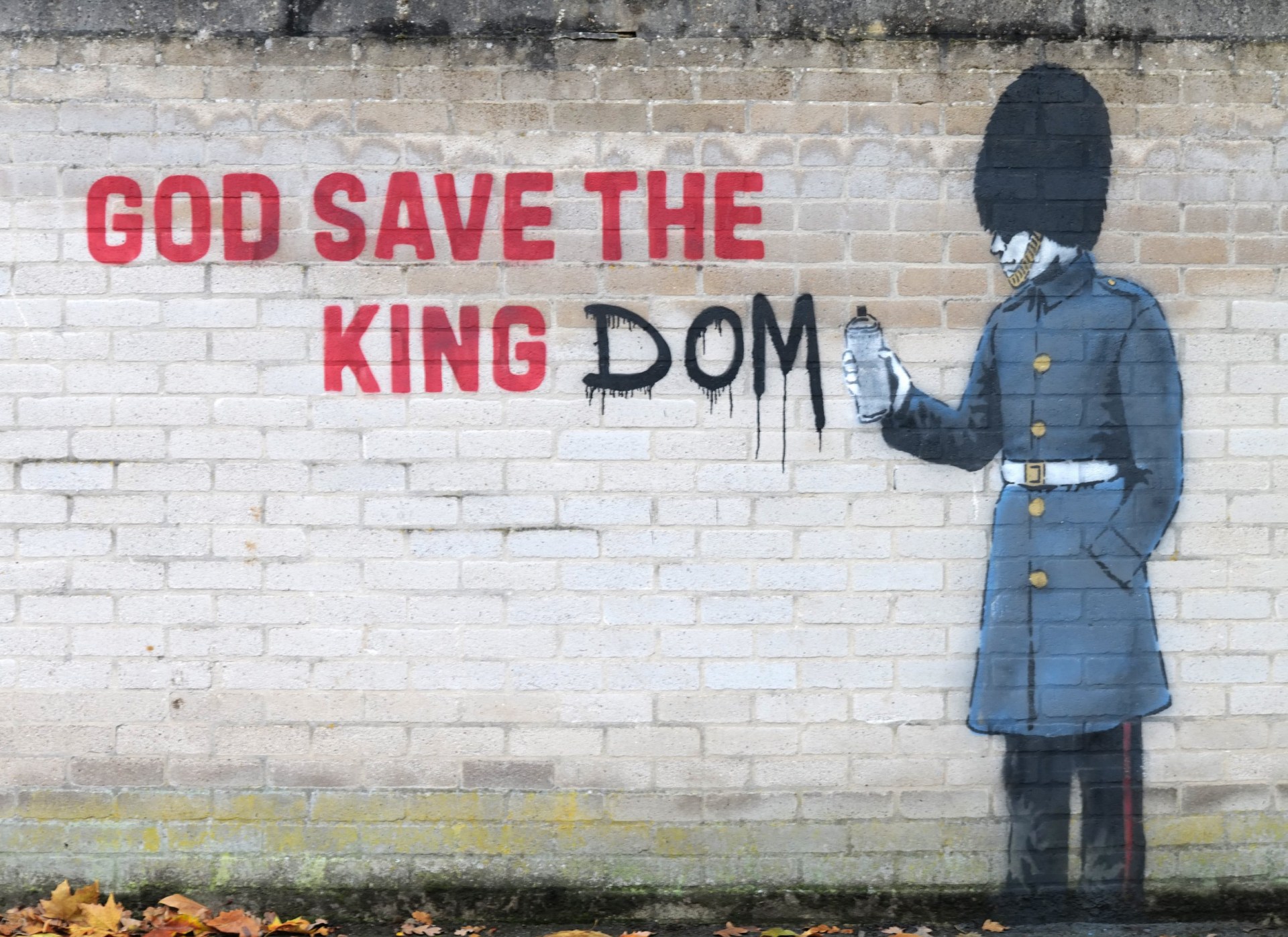
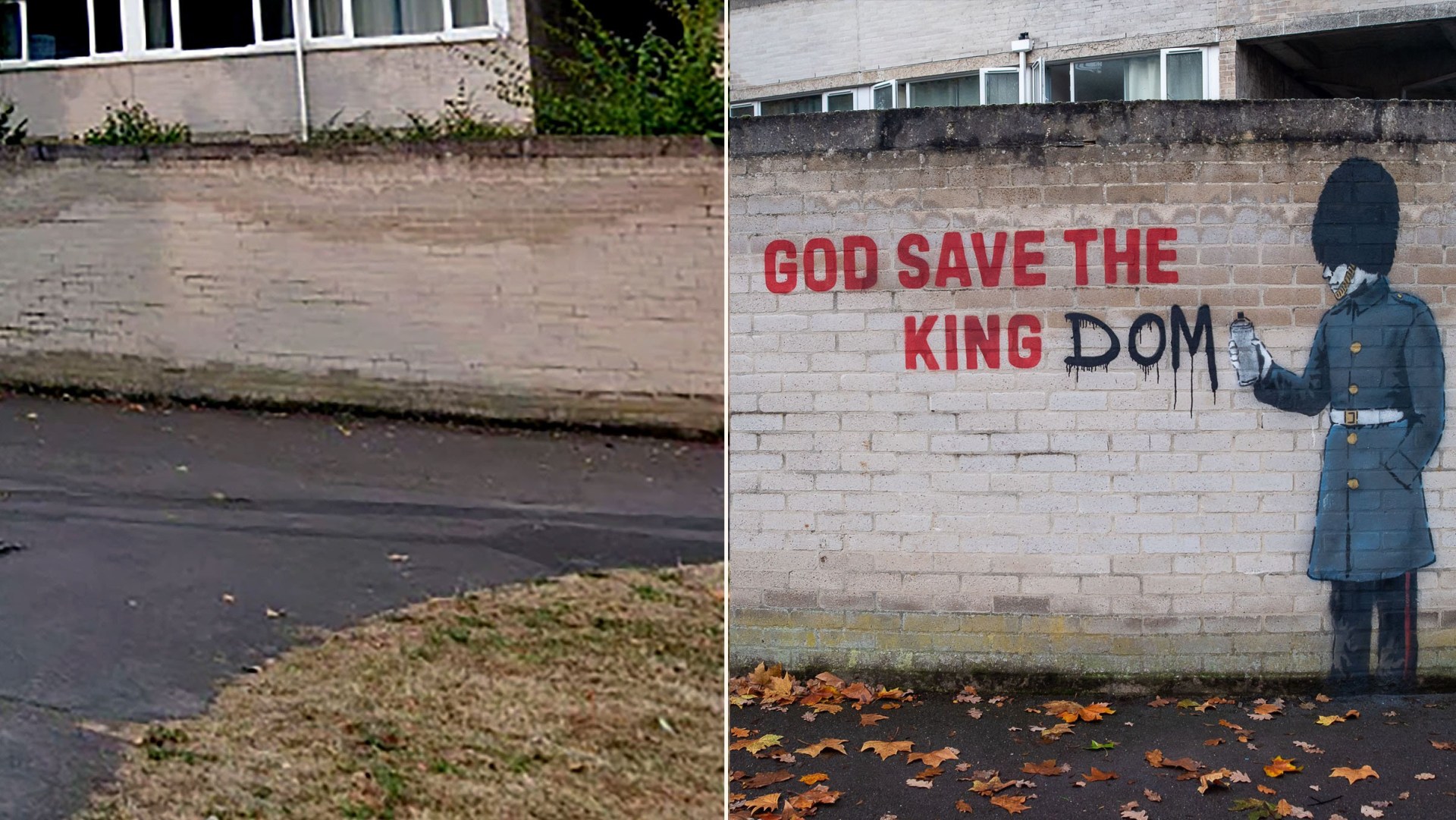
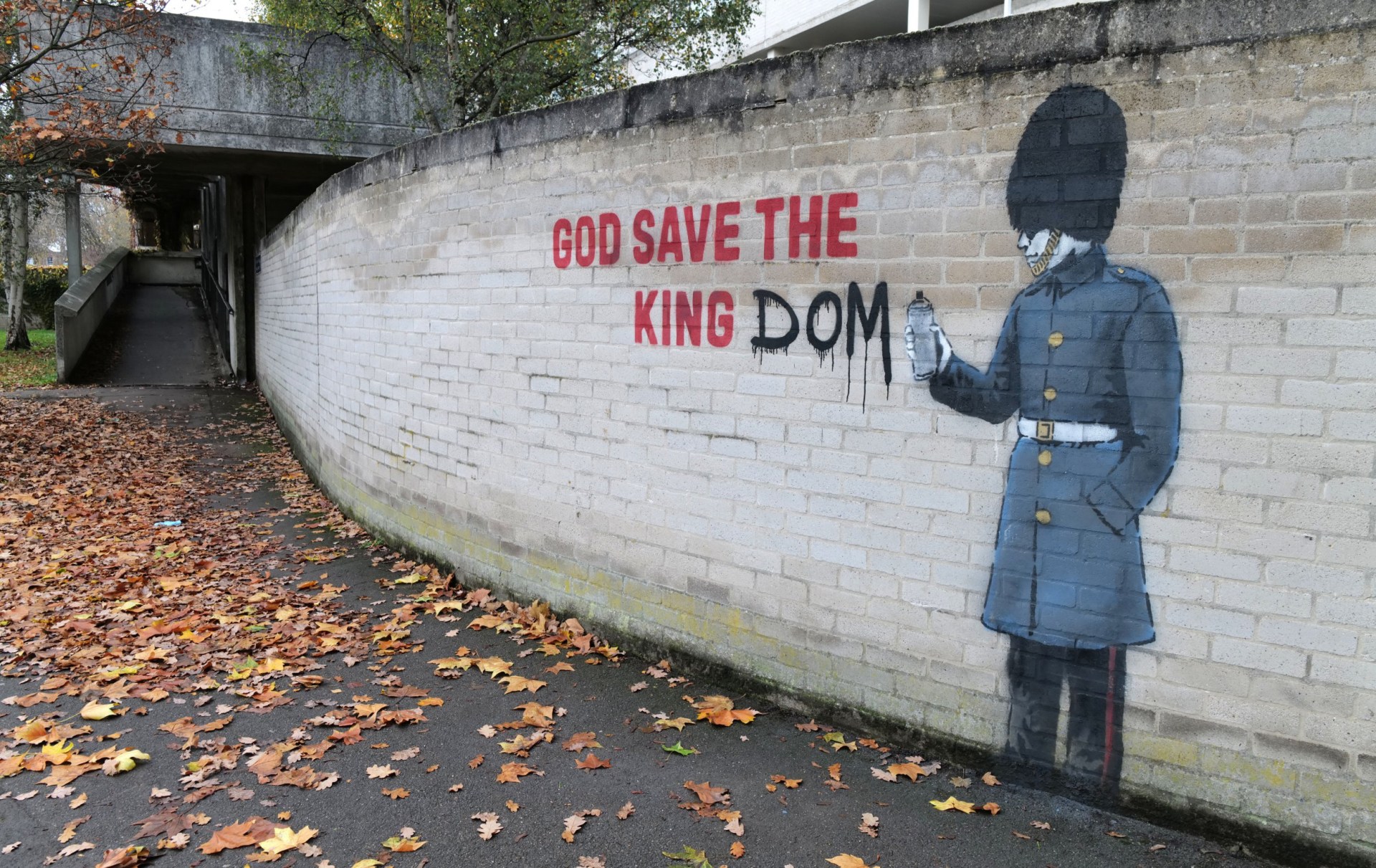
Art has always been a powerful medium for expression, and sometimes, it can be challenging to distinguish between genuine masterpieces and imitations. This was the case with a recent graffiti piece that sparked widespread curiosity in Windsor. The artwork, which depicted a British soldier wearing the iconic grey tunic and bearskin cap associated with the Royal Family's guards, appeared on Arthur Road, near Army barracks. It quickly became a topic of discussion, with many questioning whether it was the work of the elusive street artist Banksy.
The piece featured a soldier standing next to the message “God Save the King,” holding a spray paint can. He had graffitied “dom” at the end of the word “King.” The artwork went viral on social media, drawing attention from art enthusiasts and critics alike.
Experts were called upon to assess whether this piece could be attributed to Banksy. Madeleine White, who works in sales and acquisitions at Hang-Up Gallery in north London, noted that the artwork bore similarities to Banksy’s style. She pointed out that Banksy often uses satire and political messaging in his work, commenting on authority and power structures, including the government and the monarchy.
Madeleine suggested that the artwork might be a critique of the King, especially in light of recent controversies involving the former prince, Andrew Mountbatten Windsor. She also highlighted that the use of lyrics from the national anthem could be symbolic, possibly mocking the monarchy by altering the phrase “God Save the King.”
The location of the artwork, opposite King Edward Court in Windsor, added another layer of meaning. Madeleine explained that the choice of a soldier as the subject could represent resistance and rebellion against the royal family. This aligns with Banksy’s history of challenging authority through his art.
However, not all experts were convinced. Acoris Andipa, director of Andipa Art Gallery in central London, expressed skepticism. He noted that while there were elements reminiscent of Banksy’s style, the piece lacked key characteristics of his work. For instance, the font used for “dom” did not match Banksy’s usual writing style.
Acoris also questioned the clarity of the message and the meaning behind “dom.” He wondered if it stood for dominance, domiciles, or something else entirely. He emphasized that the absence of a clear message made it difficult to attribute the work to Banksy.
Despite these uncertainties, the artwork remains an intriguing example of how public art can provoke thought and debate. Whether it is a genuine Banksy or a copycat, the piece has succeeded in capturing the public's imagination and sparking discussions about art, politics, and the monarchy.