Simplified School Dinner Menu After £850k Healthy Alternatives Wasted
The Evolution of School Dinners
For generations, the image of school dinners has often been associated with lumpy custard and soggy sponge. However, despite this traditional perception, the reality of what is served in school canteens has not significantly changed. In fact, one local council recently reported that it throws out an estimated £850,000 worth of leftovers every year. This has sparked a conversation about the quality and appeal of the meals being provided to students.
Highland Council has taken steps to address this issue by developing a ten-point action plan. The initiative aims to reduce food waste, as 41% of pupils admitted they only sometimes or rarely finish what is on their plates. A survey conducted as part of the council’s Food in Schools programme revealed that some students feel forced to take foods they don’t like, while over 40% described the taste of the meals as “fair” or “poor.” Additionally, 20% of primary parents felt the quality of food and menu choices were also “poor.”
Some students and parents have shared their concerns about the meals, describing them as “bland and mushy” and noting that the cakes are “dry.” Suggestions for improvement include offering “simpler, more familiar meals” such as sausages, pasta, and chicken goujons. Others have called for “less processed food and more fresh/local ingredients.”
Parents also suggested that students should be allowed to “select the parts of the meal they enjoy” to minimize waste. A report set to be presented to councillors next week highlights the need for better menu design and dining experiences to improve pupil engagement. It states that while there is moderate satisfaction with the service, there are significant concerns about food quality and the dining environment.
Catering staff have also voiced their opinions, with a “significant majority” identifying food waste as a problem. One staff member suggested that a simpler menu focused on “basic traditional home cooking” would lead to less waste. Another noted that there is “too much focus on it being super healthy,” which may not align with student preferences.
A “large proportion” of staff also believe that pupils “do not understand the implications of food waste.” In response, the council plans to conduct a “comprehensive menu review” to increase pupil satisfaction, reduce waste, and boost meal uptake. It also intends to implement a waste tracking process for school meals to cut down on the amount of food discarded.
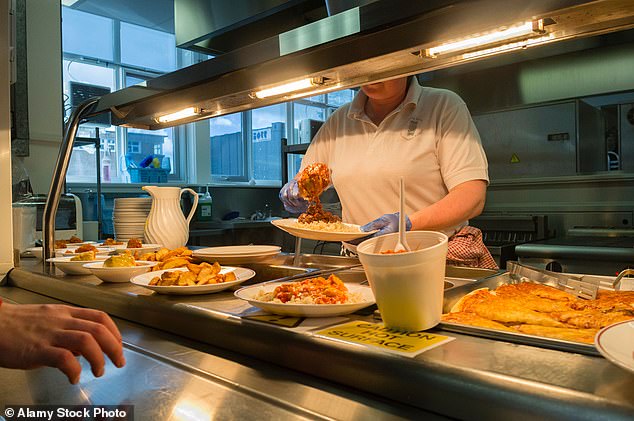
School catering company Chartwells, which provides meals across the UK, reported that uneaten dinners account for “70 per cent of school waste.” Its latest findings indicate that “about a quarter of school food” ends up in the bin.
Addressing the Challenges
The challenges faced by school canteens are multifaceted. From portion sizes to the overall appeal of the meals, there are numerous factors that contribute to food waste. Some argue that schools may be prioritizing profits over the needs of their students. Others question whether vegetarian meals are truly a hit or if students are simply returning for seconds due to dissatisfaction.
Jamie Oliver's efforts to revolutionize school dinners have been widely discussed, with many hoping his initiatives will finally bring about positive change. Expanding free school meals is another proposed solution, with supporters believing it could transform young lives and alleviate poverty. However, there are ongoing debates about whether this approach is the most effective.
As councils and catering companies continue to explore ways to improve school meals, the goal remains clear: to provide nutritious, appealing, and sustainable options that meet the needs of students while minimizing waste.
