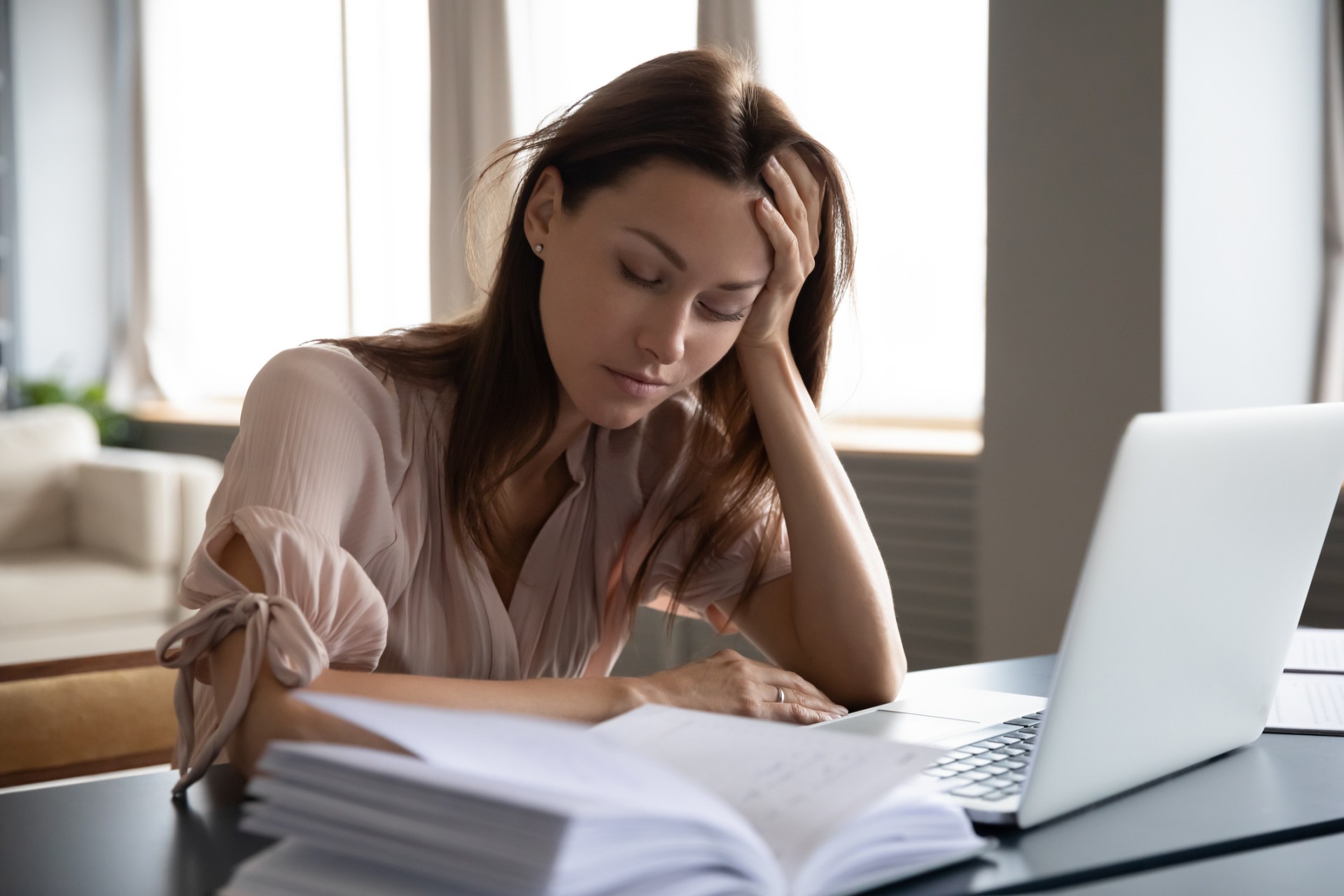
Sleep Deprivation: The Hidden Effects On Your Body
The Sleep Deprivation Crisis in the UK
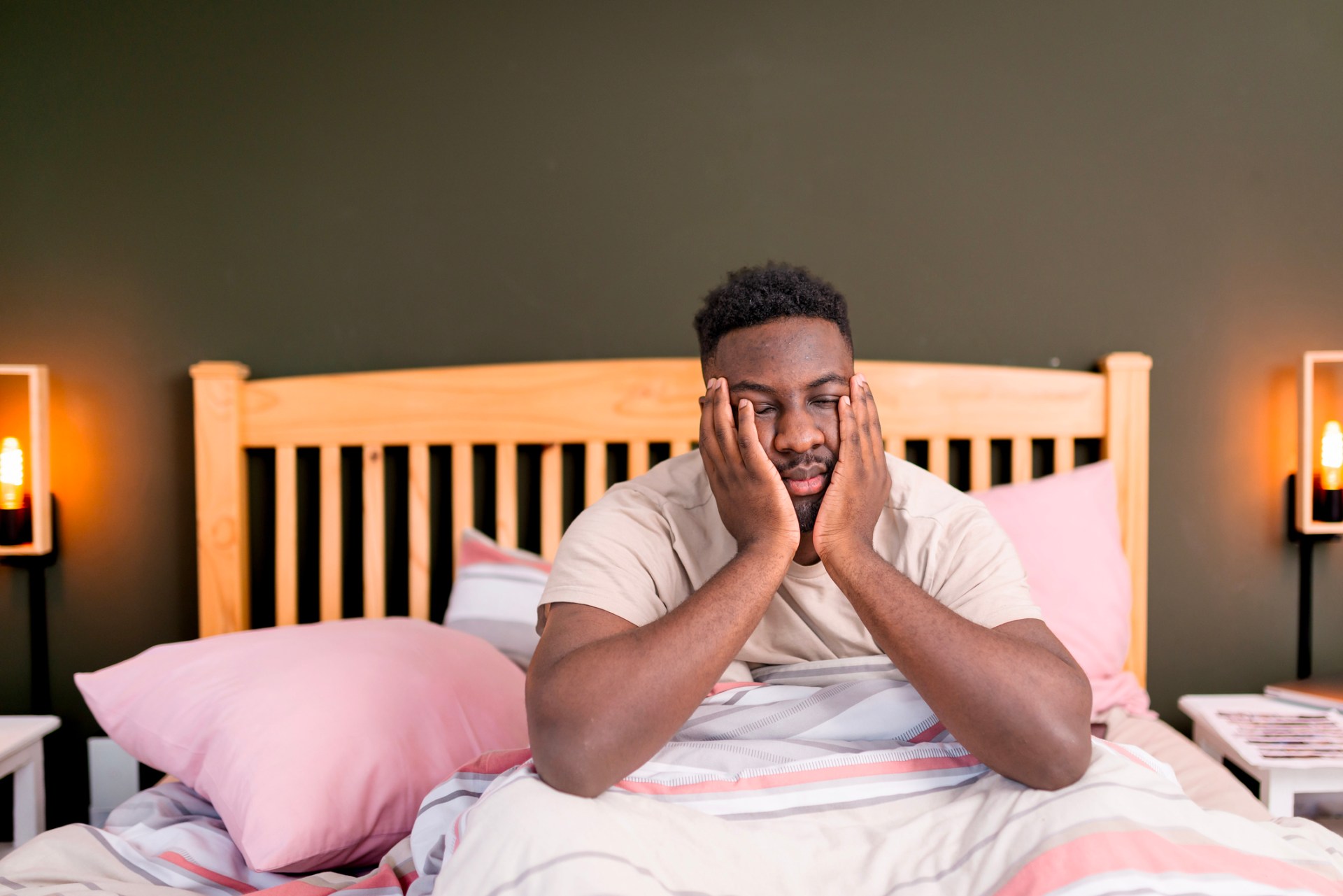
Queen Rihanna once shared that she only manages to get three or four hours of sleep each night, while Sydney Sweeney claims she can function on just two. Meanwhile, Jamie Oliver revealed in an interview with The Times that he has had a difficult relationship with sleep for over a decade, often getting only three to four hours a night, which he described as “really dangerous.” According to the NHS, adults should aim for between seven and nine hours of sleep each night. However, the reality is that the UK is a nation suffering from significant sleep deprivation.
New research into Brits' nighttime habits has shown that we are surviving on an average of six hours and 50 minutes of sleep per night. This results in an annual deficit of 426 hours, which is equivalent to nearly 18 days of lost sleep. Shockingly, half of those surveyed admitted they regularly survive on just four hours of sleep, and 44% said they can cope with less than three.
The Consequences of Poor Sleep
If you have the occasional bad night, it’s not a major issue, but if you’re consistently struggling to sleep, you could face a range of problems, from increased anxiety to reduced productivity. A 2023 study even found that getting less than six hours of sleep a night can reduce the body’s immune response to vaccinations.
We spoke to experts to understand what happens when we don’t get enough rest.
Weakened Immune System
When we’re asleep, our bodies work hard to fight off infections. Dr Sue Peacock, a consultant health psychologist and sleep expert, explains: “Research shows there is a complex link between sleep-wake cycles and our immune systems. While you sleep, your immune system produces protective substances like cytokines, which help combat foreign invaders such as bacteria and viruses.”
These cytokines also help us sleep, giving our immune system more energy to defend our bodies against illness. If we don’t get enough sleep, we don’t produce as much of these important substances, which lowers our body’s ability to respond to infection. “This increases our vulnerability to disease and may take longer to recover from illness,” says Dr Sue.
Increased Anxiety
Sleep and anxiety often form a vicious cycle. A lack of sleep can cause anxiety, and anxiety can make it harder to fall asleep. Dr Sue explains: “Anxiety can negatively affect your body’s ability to fall asleep, as your brain is in ‘fight or flight’ mode, thinking about all the potential outcomes for whatever is causing the anxiety.”
Additionally, anticipatory anxiety and specific anxiety about sleep can lead to sleep disturbances and insomnia, creating a feedback loop that worsens both conditions.
Menstrual Irregularities
Lack of sleep can also disrupt hormonal balance, particularly in women. Dr Katharina Lederle, a sleep and body clock specialist, states: “The level of thyroid-stimulating hormone (TSH) increases during sleep deprivation, and in healthy young women in their follicular phase, this is associated with a significant increase in TSH levels.”
High levels of TSH can lead to menstrual irregularities, anovulation, amenorrhea, and even recurrent miscarriages.
Weight Gain
Ever wondered why you feel so hungry after a poor night’s sleep? During sleep, hormones such as cortisol, leptin, and ghrelin are regulated, which play a key role in weight control. A lack of sleep decreases the levels of these hormones in the blood, leading to increased appetite, overeating, and weight gain. Obesity is also more likely in those who don’t sleep well.
Sleep: The Statistics
According to a survey by Dyson, 19% of adults say they are constantly tired. This lack of sleep affects waking hours, causing mood swings (37%), a lack of motivation (33%), irritability (33%), and anxiety (12%). For parents, sleep deprivation can lead to increased anger towards children.
Couples have taken action to improve their sleep, with 26% admitting they now sleep in separate beds.
Loss of Productivity
It’s no surprise that insufficient sleep reduces productivity during the day. Dr Katharina explains: “One US study found that employees who averaged five hours of sleep a night lost 2.22 days of work a year, compared to 1.48 days for those who got eight hours.”
A lack of sleep negatively impacts cognitive performance, decision-making, memory, and attention span.
Other Health Issues
Not getting enough sleep can also lead to various other health problems. “Research suggests people are at greater risk of cardiovascular diseases such as hypertension, stroke, and heart attack,” says Dr Sue. “There’s also an increased risk of diabetes and other chronic conditions.”
Moreover, sleep deprivation is linked to memory and cognitive impairment, and it even increases the risk of Alzheimer’s.
How to Get a Better Night's Sleep
Vicki Beevers, CEO of The Sleep Charity, offers some tips:
- Be strict about not using electronic devices in the hour before bedtime. These devices are highly stimulating and emit light, which can trick your body into thinking it's still daytime, suppressing melatonin – the hormone that helps us feel sleepy.
- Maintain a regular sleep and wake time to keep your body’s circadian rhythm in check.
- Exercise during the day, but avoid it too close to bedtime.
- Eat well and avoid alcohol and sugar-loaded snacks at night.
- Create a relaxing routine to help you wind down before bed.
- Avoid apps that monitor sleep, as they are often inaccurate and can raise anxiety around sleep issues.
- Remember, you’re not alone if you have sleep issues – research suggests 40% of the adult population experiences similar problems. For support, call The Sleep Charity’s national helpline at 03303 530541.