Small Boat Crossings Dropped After Labour's Policy Took Effect
Rising Migrant Crossings Despite Increased Funding
The number of small boat migrants attempting to cross the Channel has continued to rise, despite a new agreement between the UK and France aimed at reducing such crossings. Recent data reveals that only 28.7% of these attempts have been stopped by French police since the deal came into effect in August. This is a significant drop from the 38% recorded in the previous 13-week period before the agreement was implemented.
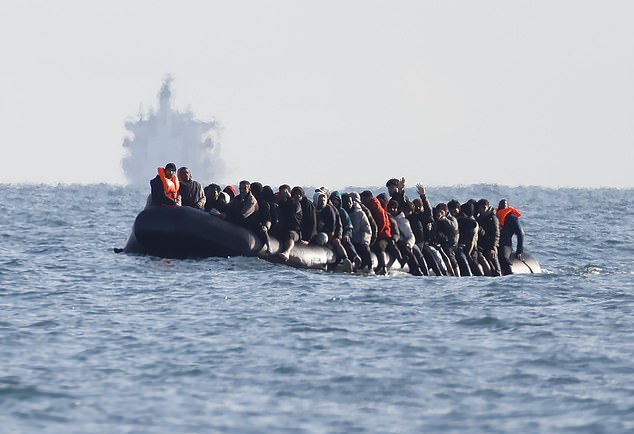
This year has already seen the second-highest annual number of Channel crossings since the crisis began in 2018. Despite the UK’s investment of hundreds of millions of pounds in British taxpayer funds for security patrols on French beaches, the situation remains challenging.
In the 13 weeks prior to the returns deal, French authorities prevented 8,521 crossings. However, this number dropped to 4,635 in the following 13 weeks. During the same time, the number of migrant arrivals in the UK fell from 13,920 to 11,518. This decrease was partly due to a prolonged period of strong winds in the Channel last month.
Despite a 17% reduction in arrivals, the number of prevented crossings fell by 45%, indicating that factors beyond weather conditions are influencing the situation.
Criticism of the New Agreement
Shadow Home Secretary Chris Philp criticized the current level of border control, stating, “Preventing only a quarter of embarkation attempts is pathetic.” He highlighted recent instances where 2,000 illegal immigrants crossed in just four days, claiming that the government has lost control of its borders.
The new agreement, known as the ‘one in, one out’ scheme, has faced challenges after some deported migrants returned to Britain. There have been two reported cases of migrants who were sent back to France but later returned to the UK via small boats.
Prime Minister Sir Keir Starmer and Attorney General Lord Hermer, both former human rights lawyers, have emphasized that the UK will not leave the European Convention of Human Rights. This stance contrasts with the views of the Conservative Party and Reform UK, which argue that the convention is essential in addressing the crisis.
Challenges in French Maritime Laws
French efforts to intercept migrant boats have also been hindered by delays in updating maritime laws. A provision allowing for the interception of small boats within 300 meters of shore was promised when the returns agreement was first announced in July. However, this measure has yet to be implemented, due to concerns over the safety of migrants and police officers.
A report by the House of Commons Library revealed that £658 million has been provided to France by the UK since 2018. An additional £114 million was allocated in the previous four years for other security measures, including at Calais port and addressing issues with migrant camps. This brings the total funding to over £770 million over 12 years.
Calls for Further Action
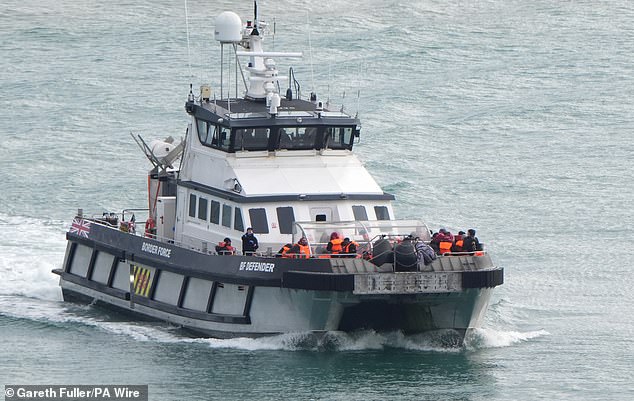
A Home Office spokesperson stated, “We are furious at the level of illegal migrants entering the country on small boats.” They added that joint operations with the French have intercepted over 20,000 individuals entering the UK over the past year. However, they emphasized the need for further collaboration with France to prevent more boats from entering UK waters and to increase the removal of illegal migrants.
Ongoing Questions About the Partnership
As migrant crossings continue to rise, questions remain about the effectiveness of the UK-French partnership in protecting British shores from this growing crisis. What obstacles are preventing French police from stopping migrant boats, and how is this affecting the situation in the UK?
Will France’s new approach to intercepting boats finally deter migrants from risking their lives to cross the Channel? And will the UK’s financial support to France truly help curb the ongoing influx of illegal migrants? These are critical questions that must be addressed as the situation continues to evolve.
