Smart EV Owners Scooped £30m Tax Refund via Loophole
Electric Vehicle Tax Loophole Costs Treasury £30 Million
A significant financial loss has been incurred by the UK Treasury due to a loophole exploited by electric vehicle (EV) drivers, costing an estimated £30 million in lost road tax revenue this year. This situation arose as a result of changes introduced by Rachel Reeves, the Chancellor of the Exchequer, which required EVs registered after April 2017 to pay the standard vehicle excise duty (VED) rate of £195 per year.
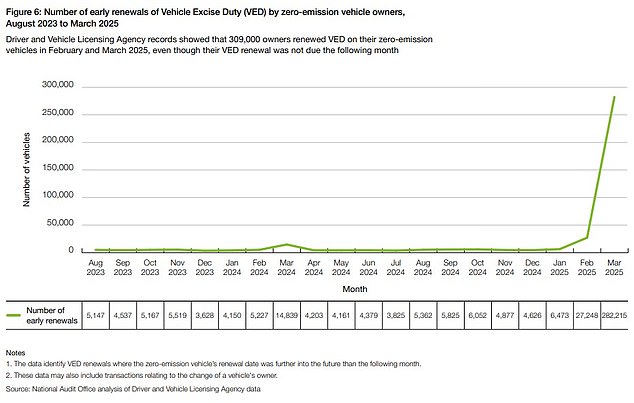
Previously, EVs were exempt from VED payments because the system was based on emissions. However, with the new rules implemented on 1 April, this exemption came to an end for many EV owners. Despite this, over 300,000 EV drivers found a way to avoid the new tax by renewing their VED before 31 March 2025.
According to the National Audit Office's analysis of data from the Driver and Vehicle Licensing Agency (DVLA), almost a quarter of all EV owners in Britain took advantage of this loophole. The DVLA's Annual Report & Accounts highlighted that these early renewals led to a 1,400% increase compared to the previous year, resulting in a substantial tax shortfall.
- The VED renewal rules allowed drivers to tax their vehicles at any time.
- By renewing VED before 1 April, drivers could delay their first annual payment by 12 months.
- This strategy enabled nearly 309,000 EVs to be renewed in February and March 2025, representing nearly a quarter of the UK’s zero-emission vehicles.
The report also noted that ministers had not fully addressed the risks associated with the behavioral changes in response to the new VED rates. This oversight has contributed to the significant loss of revenue for the Treasury.

In addition to the VED changes, the Chancellor is set to announce road pricing for electric cars in her speech to the Commons on 26 November. It is expected that this initiative, dubbed 'VED+', will see EV owners charged 3p per mile traveled, in addition to the existing £195-a-year VED rate.
- For an average of 10,000 miles per year, EV owners will face total annual taxes of £495.
- This includes £300 in per-mile charges and £195 in standard rate VED.
Hybrid car drivers are also expected to pay a lower rate under this new system. The government estimates that this measure could generate around £1.8 billion by 2031, helping to offset the losses from fuel duty revenue as the country transitions to electric vehicles.
Additional Challenges for EV Owners
In another development, it was announced that electric car drivers in London will be required to pay the Congestion Charge starting from 1 January. This adds to the growing list of challenges faced by EV owners as the government continues to adjust its policies to reflect the changing landscape of transportation.
These developments highlight the complex interplay between policy changes, driver behavior, and financial implications for both the government and vehicle owners. As the transition to electric vehicles accelerates, it remains to be seen how these measures will affect the broader automotive industry and consumer choices.
