Starmer defends chief of staff amid 'toxic' briefings controversy
Leadership Under Pressure
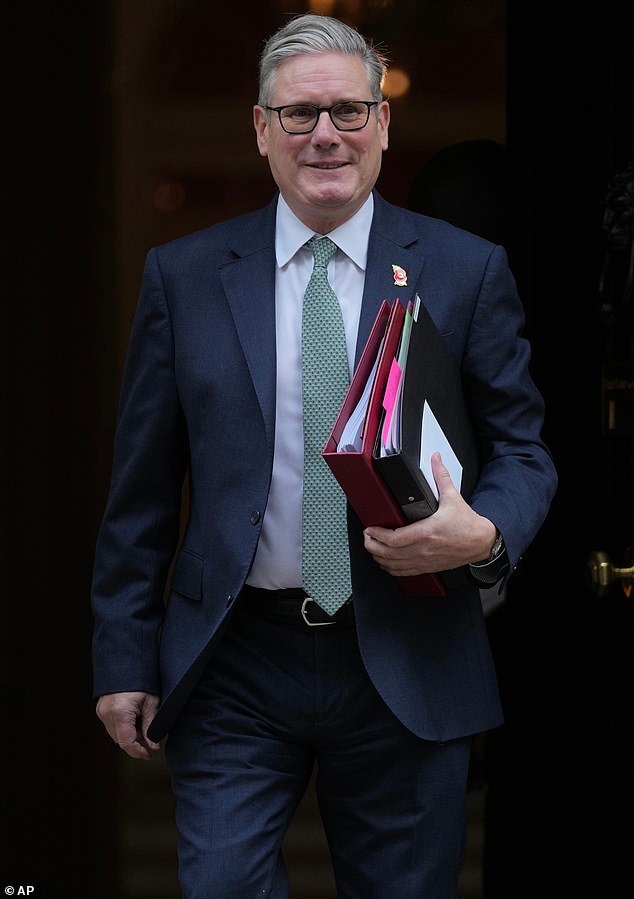
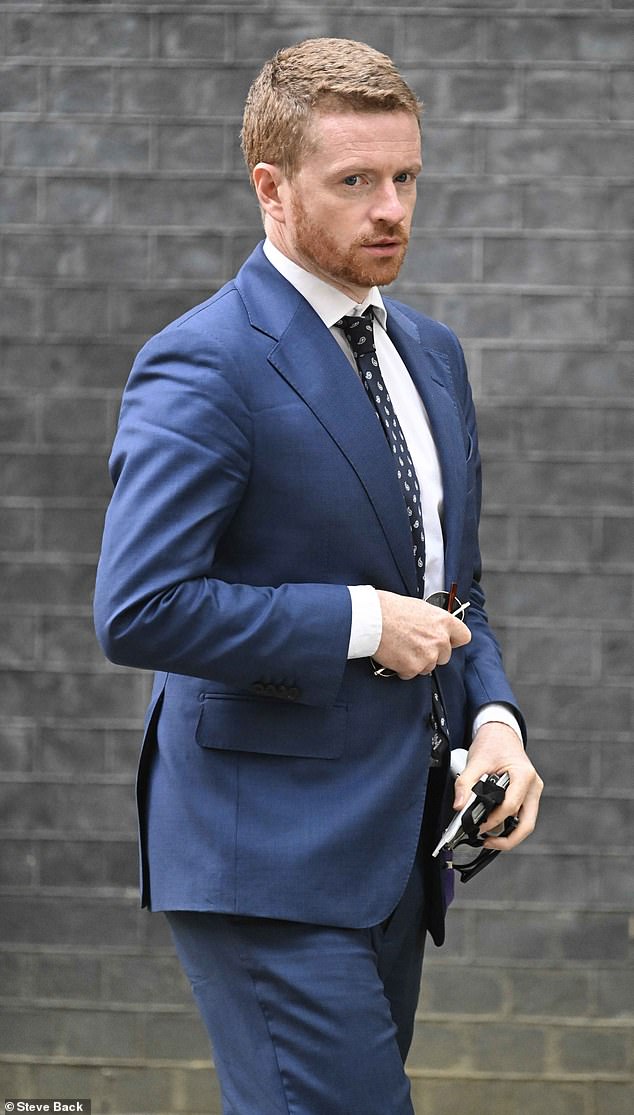
Prime Minister Keir Starmer faced mounting pressure from within his own party as calls for the dismissal of his chief of staff, Morgan McSweeney, grew louder. The controversy stems from a series of briefings that were perceived as 'toxic' and targeted Labour MPs and the Cabinet. Despite the backlash, Starmer chose to protect McSweeney without conducting an investigation, leading to accusations of a 'whitewash' from some quarters.
Downing Street maintained that no senior staff members were involved in the briefings, with the Prime Minister expressing satisfaction with their assurances. However, this stance did not quell the growing unrest among Labour figures. Former Cabinet minister Lord Blunkett suggested it was time for Starmer to find another role for McSweeney, who is credited with orchestrating Labour's recent election victory.
A Labour source revealed that contingency plans are being considered in case McSweeney's position becomes untenable. Potential options include a face-saving move to a senior role within the party, such as general secretary. Despite these developments, Starmer remains steadfast in his support for McSweeney, stating he has 'full confidence' in his top aide.
Tom Baldwin, former Labour communications chief and author of Starmer's biography, emphasized McSweeney's importance to the Prime Minister. He noted that while McSweeney is expected to stay, there is a warning against further attempts to undermine political opponents publicly. Baldwin advised him to focus on his role as chief of staff.
Addressing the Briefing Controversy
Labour Party chairman Anna Turley and Chancellor Rachel Reeves indicated that Starmer had initiated an investigation into the briefings against Health Secretary Wes Streeting. These briefings were widely attributed to No 10 sources and led to significant turmoil within the party. However, Downing Street denied any involvement, asserting that the Prime Minister was already satisfied that none of his staff was responsible for the briefings.
Starmer made a call to Streeting to apologize, though this was not framed as an admission of guilt. During a visit to North Wales to announce a new nuclear reactor, Starmer stated that he had been assured no briefings against ministers were conducted from No 10. He also emphasized that he finds such actions unacceptable and warned that any official found guilty of similar behavior would be sacked.
The recent briefing war is believed to have been a preemptive move by allies of Starmer, who are concerned about potential challenges from rebel MPs following the November 26 Budget. Sources indicated that Starmer is prepared to fight any attempt to remove him from power. One insider remarked, 'Keir knows he is already fighting a leadership contest. When it comes, he won't resign. He will fight it. He thinks it's fantasy politics.'
Internal Struggles and Political Implications
The briefing incident escalated into a broader issue, with Labour MPs being accused of being 'feral' and Health Secretary Streeting being publicly targeted. A source claimed that Streeting had '50 frontbenchers willing to stand down if the Budget landed badly and the Prime Minister did not go.' Streeting denied these allegations, calling the attempt to 'kneecap' him 'self-defeating and self-destructive' for the Government. He highlighted the 'toxic culture' in No 10, which has further damaged an already weakened administration.
Senior Labour figures acknowledged the impact of the episode, with Ed Miliband commenting on the BBC that the situation is 'self-defeating' and that the party must address it. Alastair Campbell, Tony Blair's former spin doctor, criticized the chaotic infighting, comparing it to the previous government's issues.
Labour MPs believe several senior figures are positioning themselves for a future leadership challenge, including Streeting, Home Secretary Shabana Mahmood, former deputy prime minister Angela Rayner, and Energy Secretary Ed Miliband. Speculation about Starmer's leadership has intensified due to Labour's poor poll numbers. Less than 18 months after a landslide election victory, Starmer is now the most unpopular prime minister in history.
Ongoing Challenges and Future Outlook
The internal struggles within the Labour Party highlight the challenges Starmer faces in maintaining unity and public support. As the party grapples with these issues, the question remains whether Starmer can navigate the political landscape effectively or if the pressure will lead to further instability. The coming months will be critical in determining the future direction of the Labour Party and its leadership under Starmer.
