The Love Triangle That Shook the Nation
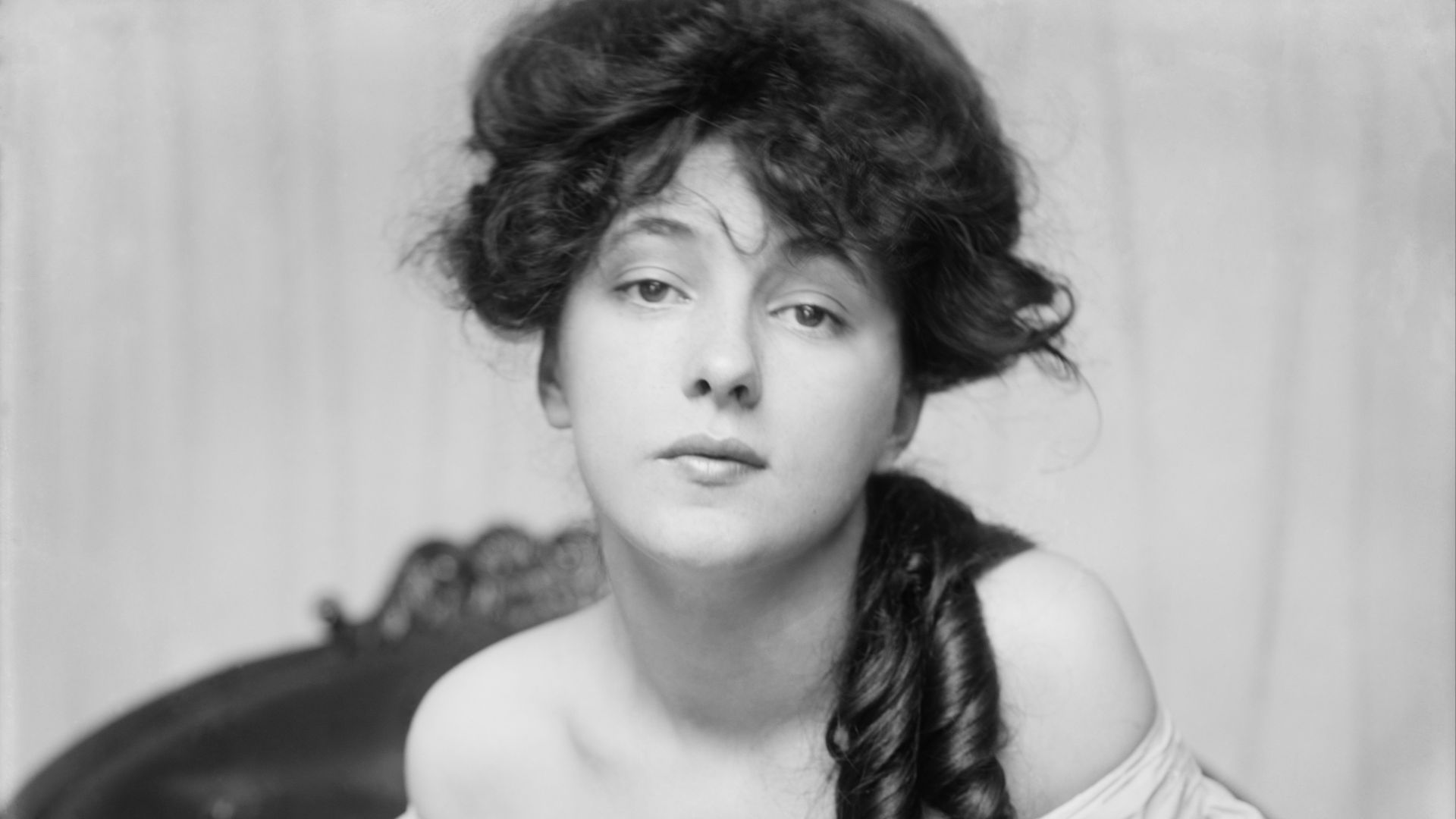
The Life of Evelyn Nesbit: A Tragic Tale of Beauty and Tragedy
Evelyn Nesbit was often compared to the legendary Helen of Troy, not just for her beauty but for the dramatic events that shaped her life. Considered one of the most beautiful women in America during the early 20th century, Nesbit's story is a mix of fame, heartbreak, and tragedy. Her life took a dark turn when she became entangled in a love triangle with two powerful men, leading to a shocking conclusion.
Despite the sensationalized tales, the reality of Nesbit’s life was far more complex and sorrowful than many might imagine. It's important to remember that Nesbit was still a teenager when her story began, making the events of her youth even more tragic.
From Rags to Riches
Nesbit arrived in Manhattan in 1900 with little more than the clothes on her back and her striking beauty. At just 14 years old, she began posing as an artist's model, which soon led to opportunities in photography, illustration, and stained glass design. Her soft features and flowing hair made her an ideal muse, and her name became synonymous with beauty at the turn of the century.
However, it's crucial to understand that Nesbit did not pursue modeling out of a passion for the arts. She came to the city with a practical goal: to support her family after her father's sudden death left them destitute. Growing up in poverty, she had been working since the age of 12, and modeling provided a way to help her mother and younger brother.
Her mother, who had previously worked as a seamstress, took on the role of a full-time "momager," managing her daughter's career and ensuring that Nesbit could continue to support the family. As a result, Nesbit became the sole breadwinner of her household at a very young age.
Stardom and Stanford White
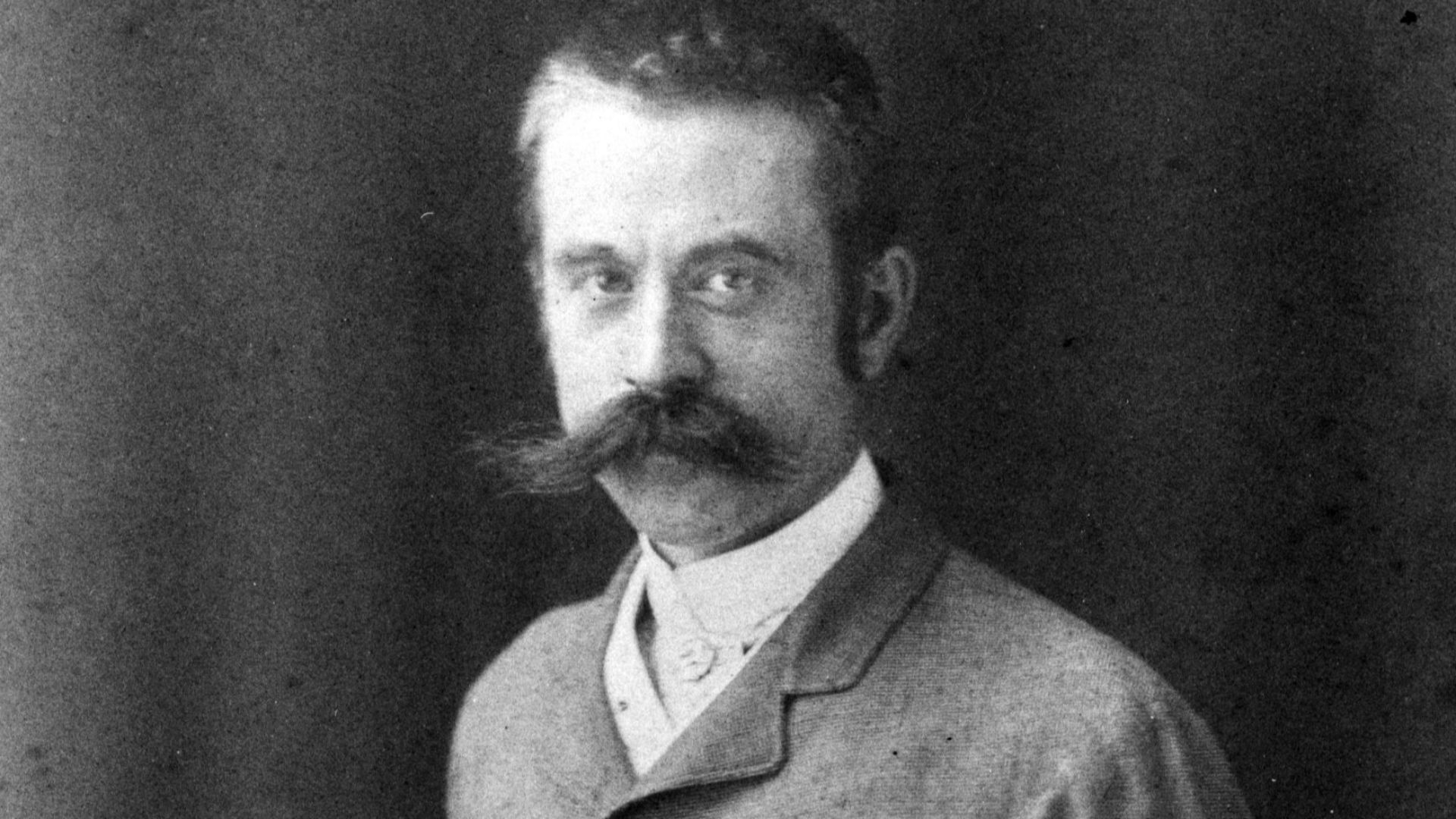
As her career progressed, Nesbit transitioned from modeling to performing on stage. In 1901, she made her Broadway debut as a chorus girl in the popular musical Florodora. It was here that she met two men who would significantly impact her life: Stanford White and Harry Thaw.
Stanford White was a renowned architect and a man known for his charm and reputation as a Lothario. He was already married and significantly older than Nesbit, but he quickly became obsessed with her. White established a caretaking relationship with both Nesbit and her mother, using this connection to manipulate and eventually assault her when her mother was away.
Nesbit, unable to publicly denounce White due to fear of losing his financial support, kept up appearances. However, this situation set the stage for her next encounter with another man who would change her life forever.
A Husband Scorned
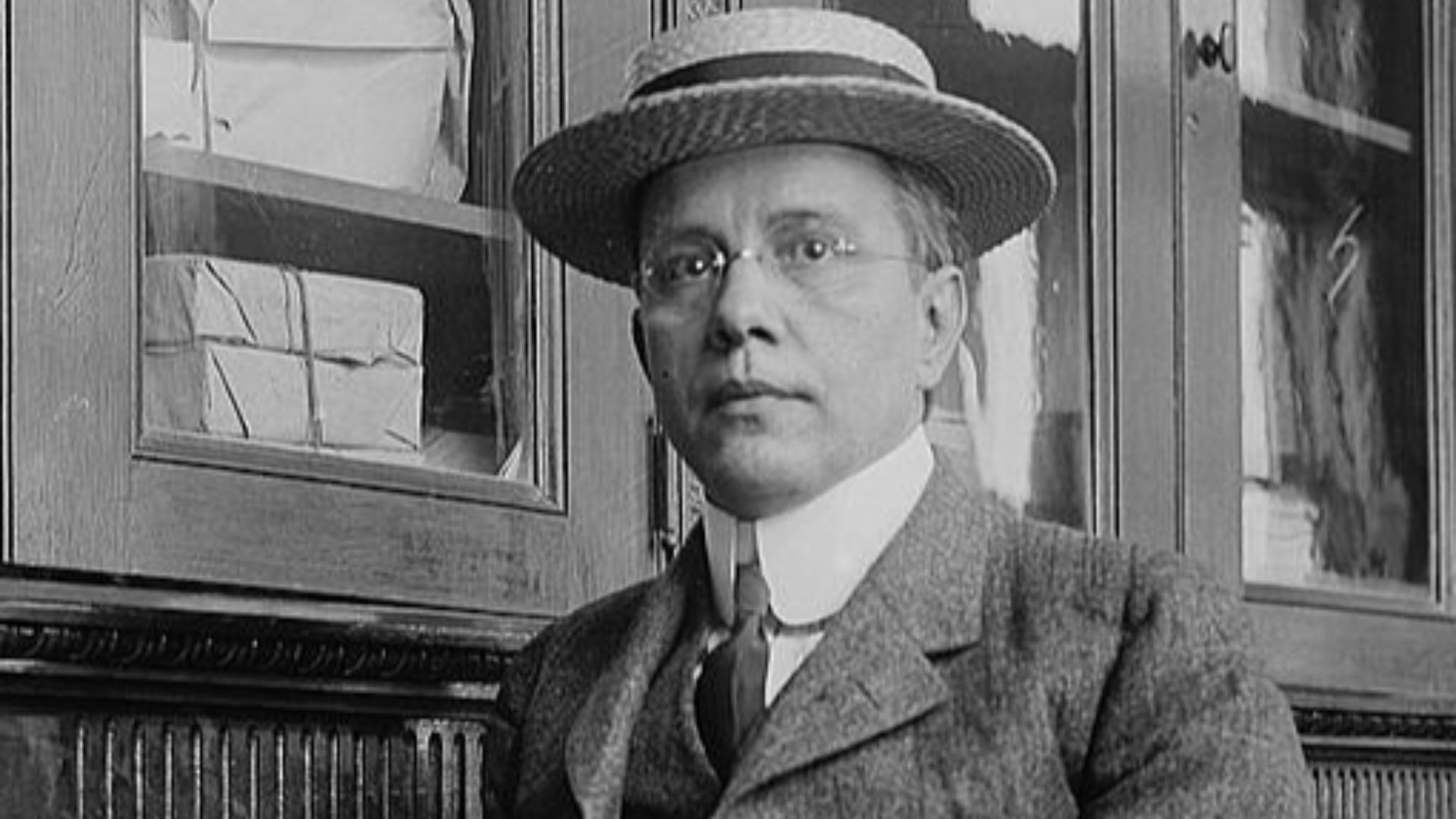
Harry Thaw was a wealthy but volatile man, struggling with addiction and prone to violent outbursts. He had watched Nesbit perform on stage over 40 times before meeting her. His obsession with her likely stemmed from her relationship with White, whom Thaw despised.
When Nesbit revealed the assault to Thaw during a vacation, he reacted violently, physically and sexually assaulting her over a two-week period. In 1905, at the age of 20, Nesbit became Evelyn Thaw, now married to the man who had once been her admirer.
With her husband now in possession of the woman he desired, there was only one thing left to do—eliminate his rival. In June 1906, all three parties met at Madison Square Garden. Thaw pulled out a pistol and fired three shots at White, shouting, "You've ruined my wife." His concern was not for his wife's safety but for her chastity. White was killed instantly.
The Trial of the Century
The murder sparked what newspapers called "The Trial of the Century." The case was filled with drama, jealousy, and scandal, capturing the public's imagination. Thaw was charged with first-degree murder but was found not guilty, citing temporary insanity. He was sentenced to life in a hospital, where he spent time in and out of the institution.
After his release, Thaw was charged with another assault and sent back to prison. As for Evelyn Nesbit, her career was forever affected by the trial. Although she continued to work in vaudeville and silent films, she never regained her former fame. Struggling with mental health, addiction, and financial difficulties, she passed away in 1967 at the age of 82.
If you think your love life has been complicated, consider yourself lucky that your "body count" is only metaphorical (we hope).
