The One Weird Fad That Defined the 1920s, Not TikTok Trends
The Rise Of The Flagpole Sitter
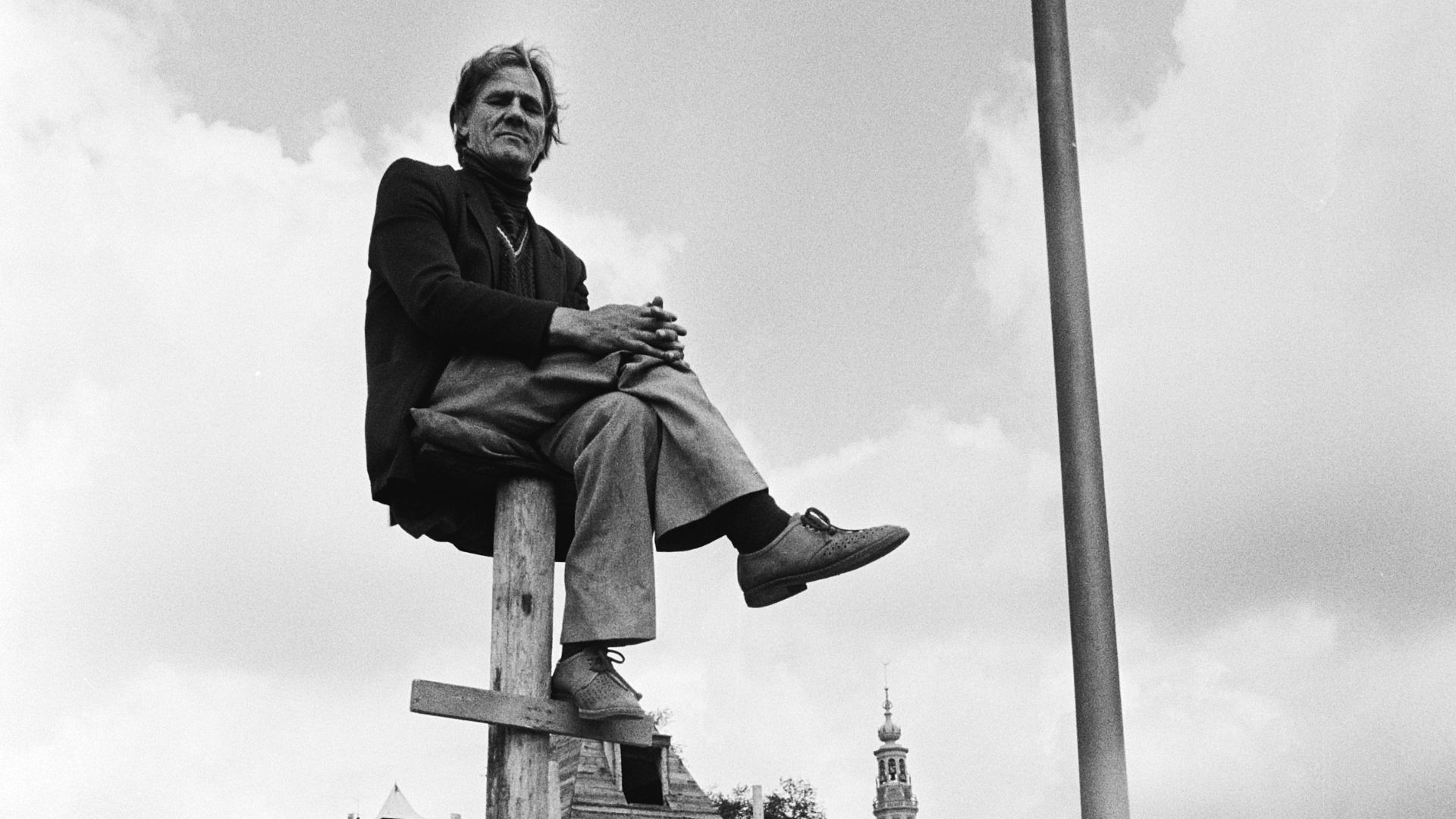
The concept was beautifully, maddeningly simple—climb atop a flagpole or specially constructed perch and... stay there. For days. Sometimes weeks. Occasionally months. It all began with Alvin "Shipwreck" Kelly, a former sailor with a flair for showmanship who first took to a flagpole in 1924.
Perched atop the pole on a small platform barely larger than a kitchen chair, Kelly sat for 13 hours and 13 minutes at a Hollywood theater, initially as nothing more than a publicity stunt to draw crowds. Little did he know he would inspire a national phenomenon that would spread like wildfire across America's cities and small towns alike.
The beauty of pole-sitting lay in its accessible absurdity. It required no special talent beyond extraordinary patience and a comfortable relationship with heights. Yet it thrilled a generation seeking distraction and spectacle in the heady days of Prohibition.
Life On The Pole
The logistics of pole-sitting revealed both human ingenuity and the depths of our desire for fame. Platforms typically measured about 1–2 feet, or roughly the size of a dinner tray or a small chair seat. Enterprising sitters equipped their perches with basic amenities.
Weather posed the greatest challenge, though. Rain, wind, and thunderstorms tested even the most dedicated sitters. Many employed restraints to prevent falling while asleep, essentially tethering themselves to their perches with rope harnesses. During lightning storms, these metal poles became lightning rods, adding an element of genuine danger to the spectacle.
Food arrived via rope and pulley, with supporters below sending up everything from sandwiches to hot coffee. Sleep came in brief snatches, often sitting upright. The psychological toll proved as demanding as the physical due to the endless hours of boredom punctuated by moments of discomfort.
Legacy Of America's Strangest Obsession
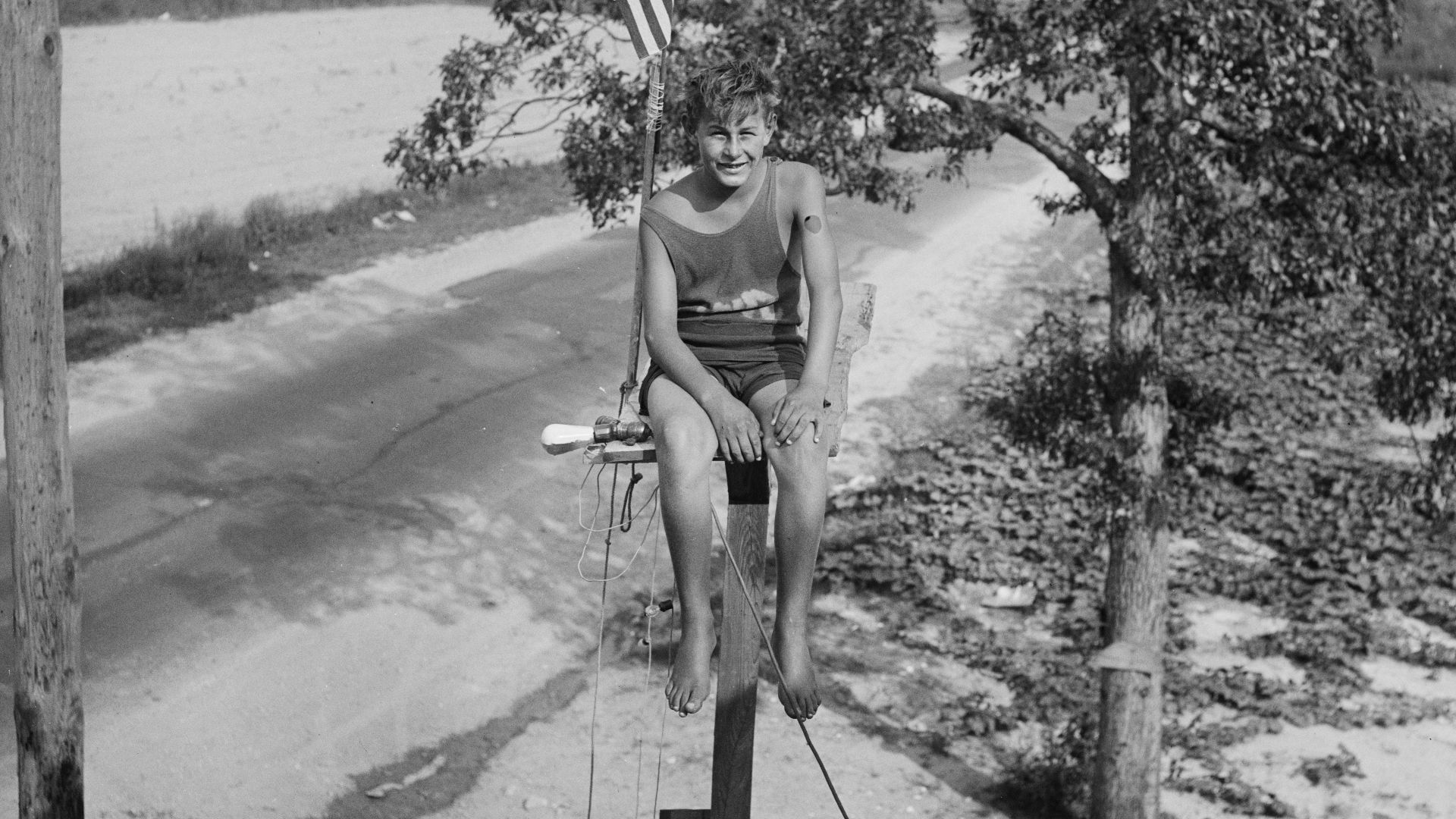
By the late 1920s, pole-sitting records stretched into countless days. Shipwreck Kelly’s longest sit lasted 49 days in Atlantic City. His fame made him a household name, though fortune proved more elusive. Women joined the craze, too.
Most interesting was Avon "Azey" Foreman. He was a 15-year-old boy who set a juvenile record of 10 days, 10 hours, 10 minutes, and 10 seconds on an 18-foot backyard pole in Baltimore.
As with all fads, pole-sitting eventually lost its novelty. The 1929 stock market crash and the subsequent Depression cast a somber shadow over such frivolous pursuits. America no longer had the luxury of watching someone do nothing for days on end; real challenges demanded attention.
Notable Records And Figures
- Alvin "Shipwreck" Kelly – The pioneer of pole-sitting, known for his 13-hour stunt in 1924 that sparked a nationwide trend.
- Avon "Azey" Foreman – A 15-year-old who set a unique record of 10 days, 10 hours, 10 minutes, and 10 seconds on a backyard pole.
- Atlantic City Record – Shipwreck Kelly’s longest sit, which lasted 49 days and solidified his status as a cultural icon.
The Cultural Impact
Pole-sitting was more than just a strange pastime—it was a reflection of the times. In the 1920s, America was experiencing rapid change, with new technologies, social movements, and cultural shifts reshaping daily life. The craze offered a form of escapism, allowing people to witness something entirely different from their everyday routines.
It also highlighted the public's fascination with endurance and spectacle. People were drawn to the idea of someone staying in one place for an extended period, defying normal expectations. This curiosity helped sustain the trend for years, even as it became increasingly bizarre.
Why Did It End?
The decline of pole-sitting coincided with the economic downturn of the Great Depression. As the country faced serious financial challenges, people turned their attention away from entertainment and toward survival. The idea of watching someone sit on a pole for days seemed trivial compared to the struggles of the time.
Additionally, as media evolved, other forms of entertainment gained popularity. The rise of radio, movies, and later television provided more dynamic and engaging content, making pole-sitting feel outdated. By the 1930s, the practice had largely faded from public consciousness.
A Unique Chapter In American History
Despite its short-lived nature, pole-sitting remains a fascinating chapter in American history. It serves as a reminder of how people can find joy and excitement in the most unexpected ways. While modern society may have moved on to digital trends and viral challenges, the legacy of the flagpole sitter lives on as a quirky, unforgettable moment in time.
