The Scandinavian Secret to Happier, More Balanced Kids
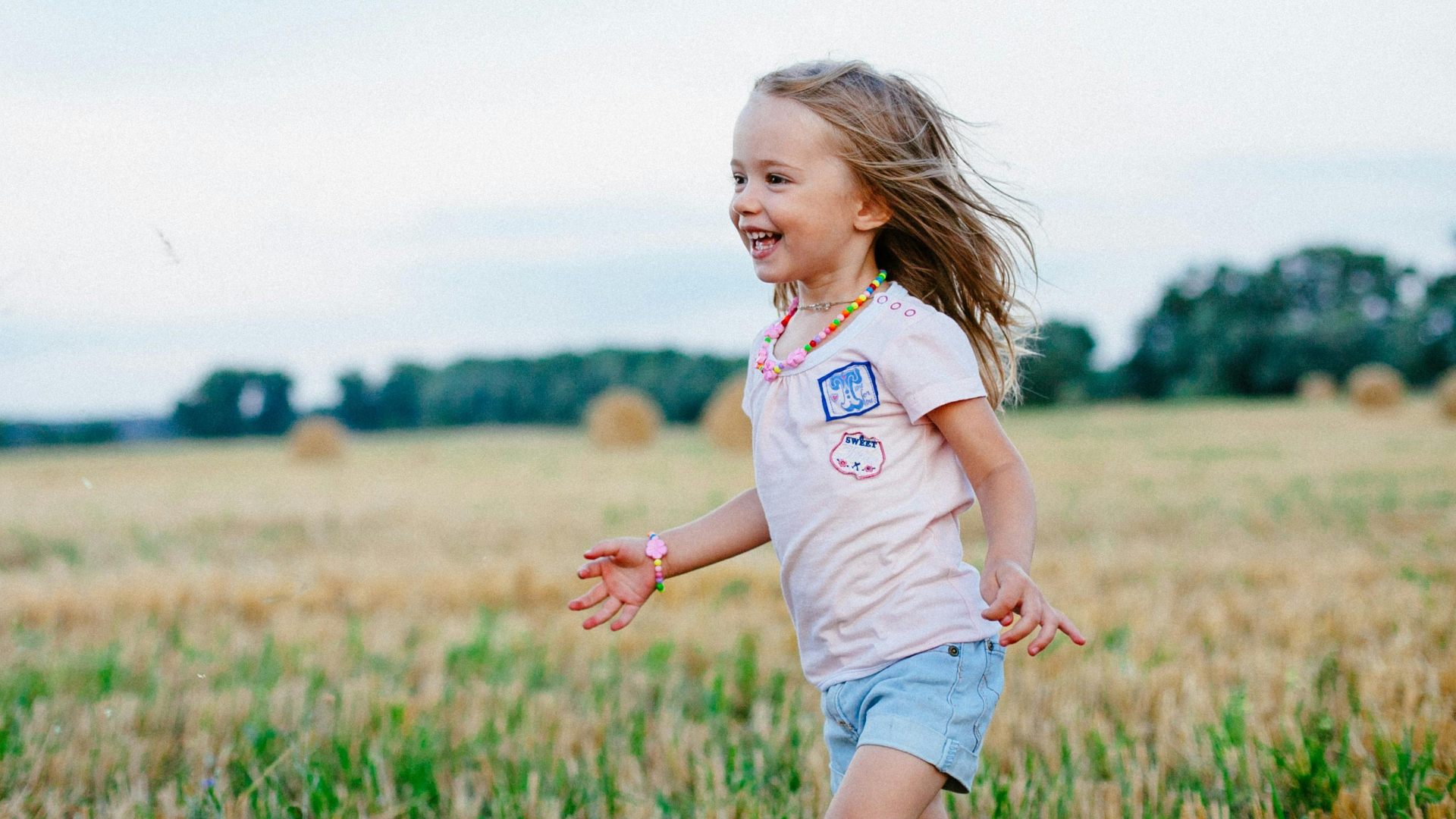
The Scandinavian Approach to Raising Happy and Well-Adjusted Children
In the Nordic countries, raising children who are happy and well-adjusted is the result of a unique educational method rooted in trust, freedom, and a deep connection with nature. This approach differs significantly from traditional models and is gaining popularity among families worldwide.
The Keys to Scandinavian Education
It's easy to think that Scandinavian parenting is simply about letting children play in the snow wearing hand-knitted wool hats. However, behind this "gentle and rustic" image lies a genuine educational philosophy that is much deeper than it appears. In Scandinavia, a child is not viewed as a vessel to be filled with knowledge, but rather as a seed to be nurtured and guided to grow.
The foundation of this education system is built on three essential principles: kindness, empowerment, and autonomy. Scandinavian parents place their trust in their children, even very young ones, allowing them to explore, experiment, and make their own choices. They teach them to solve everyday problems, manage their emotions, and express their feelings without shame. The goal is not to avoid frustration, but to support them with gentleness and respect.
Authority Based on Respect and Communication
In these countries, authority is not synonymous with fear. Adults act as benevolent guides rather than "supreme leaders." Communication is open, horizontal, and based on listening and cooperation. It's rare to hear a Scandinavian parent say, "Because that's the way it is, end of story."
Instead, they prefer to explain, discuss, and negotiate. While this approach takes time, the results are remarkable: children who are more confident, empathetic, and independent.
Daily Immersion in Nature
If you've ever visited a preschool in Denmark or Sweden, you might have noticed something unusual: the classrooms seem empty. There are no flashy toys in every corner, no bright screens. And for good reason: the children are outside, regardless of the weather—whether it's windy, snowy, or rainy.
This philosophy is known as "friluftsliv," which translates to "life in the great outdoors." The idea is to learn through nature, with nature, and in nature. Children build shelters, observe insects, cook over a campfire, and discover the cycles of the seasons. These experiences are invaluable for developing motor skills, curiosity, and creativity.
Researchers agree that regular contact with the natural environment promotes concentration, reduces stress, and improves physical and mental health. For Scandinavian parents, this is beyond question. Being outdoors also teaches children to respect the planet and understand that we are part of a living whole.
Schools as Communities of Support
In Nordic countries, school is not seen as a competition, but as a community. The goal is not to produce little geniuses capable of reciting their alphabet at age 3, but to allow each child to flourish at their own pace. Teachers are considered true guides in personal development.
Classrooms are calm and welcoming, and learning often takes place through play and cooperation. Challenges are approached in a relaxed atmosphere, without fear of failure. Success is not measured solely by grades, but by the ability to work as a team, demonstrate empathy, and find creative solutions.
This inclusive and peaceful approach also fosters better acceptance of diversity. Children with special needs are not excluded but integrated into group projects. The result is less stress, more solidarity, and a genuine sense of belonging.
Positive Results and Global Recognition
The positive outcomes of this approach have been widely recognized. Scandinavian children regularly rank among the happiest in the world according to international rankings. Their emotional balance, self-confidence, and ability to cope with life’s challenges are praised by education experts.
The key to success lies not only in education but also in strong public policies that support families. Parental leave is generous and shared between both parents to promote equality. Working hours are designed to allow for a genuine work-life balance. Parents are not judged but supported by a strong and caring social network.
As a result, families experience less guilt and more trust. Children grow up in an environment where love is measured not by performance, but by presence.
An Inspiration for the Rest of the World
Scandinavian parenting isn't a magic formula, but it invites us to re-evaluate our priorities. It reminds us that a happy child isn't born from "parental perfection," but from connection, freedom, and trust. What if, instead of trying to control everything, we learned to let go a little? What if we dared to play outside more, listen more, and share more simple, genuine moments?
Perhaps the secret to family happiness isn't found in a manual, but in this everyday philosophy: one that sees childhood as a journey, not a race.
In short, the Scandinavian method is not a rigid model, but an invitation to rethink our approach to education. By placing happiness, trust, and kindness at the heart of parenting, it offers a breath of balance and humanity from which we could all draw inspiration. After all, isn't raising a happy child the greatest achievement of all?
