The Science Behind Your Favorite Kitchen Tool, the Air Fryer
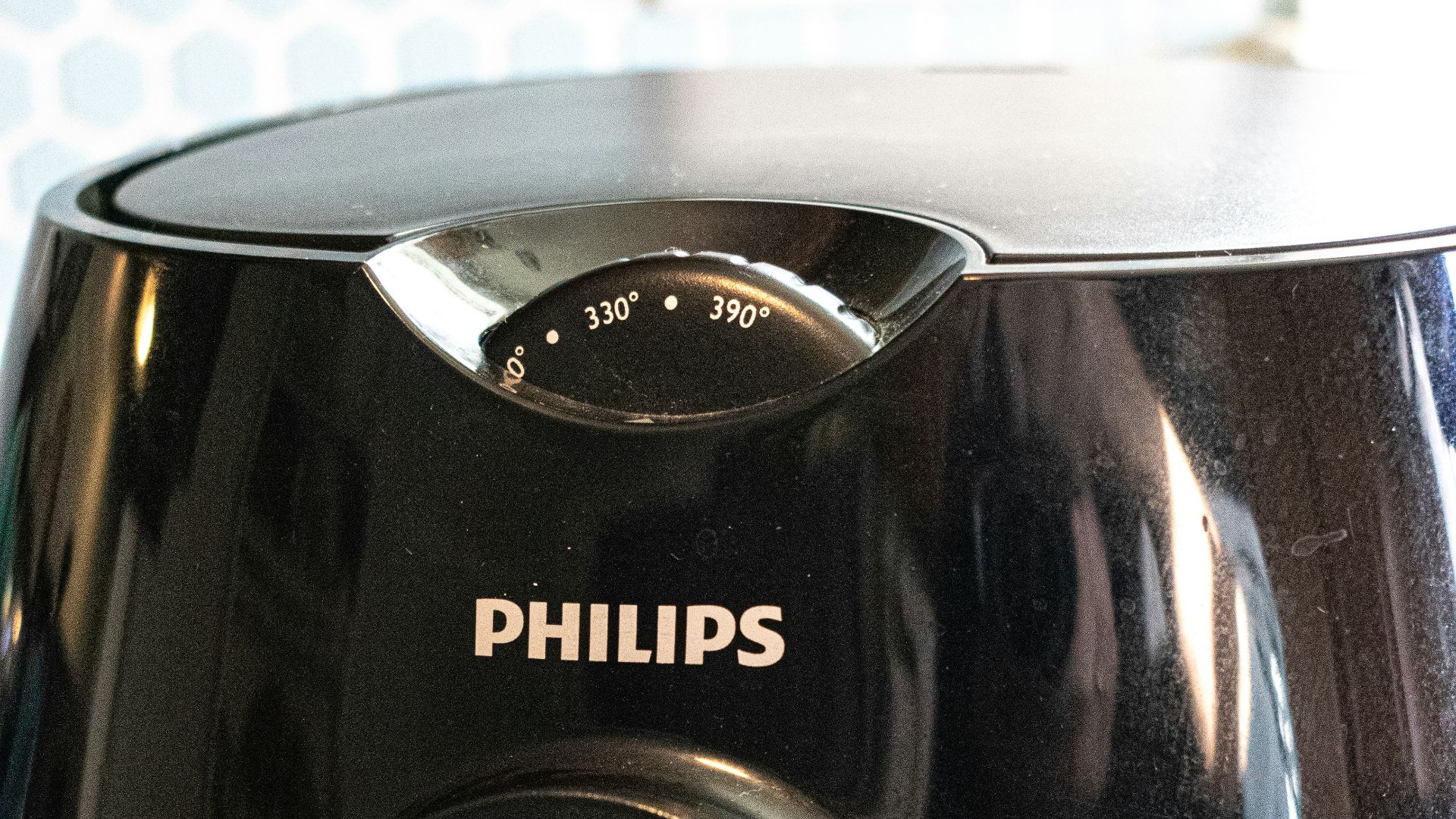
The Rise of the Air Fryer
In today's modern kitchens, space is a precious commodity. With limited room for multiple appliances, many people find themselves struggling to accommodate a toaster oven, microwave, grill, and stovetop all at once. Fortunately, there’s a solution that can replace several of these devices: the air fryer. This compact kitchen appliance has become a favorite among home cooks due to its versatility and efficiency.
The air fryer has been around since 2010, but it really took off in popularity around 2017. Its appeal lies in its ability to cook a wide variety of foods quickly and with minimal oil or butter. Whether you're looking to make crispy fries, juicy chicken, or even baked goods, the air fryer can handle it all.
How Does It Work?
You might be wondering how this small device can produce such delicious results without traditional frying methods. Let's dive into the science behind it.
The term "air fryer" might be a bit misleading, as it doesn't actually fry food in the conventional sense. Instead, it uses a process called convection. Convection involves the circulation of hot air around the food, which helps to cook it evenly and create a crispy exterior.
There are two types of convection: natural and mechanical. Natural convection occurs when heat causes air currents to move, such as when water boils. Mechanical convection, on the other hand, uses a fan to circulate the hot air, which is exactly what an air fryer does. As the hot air moves around the food, it creates a similar effect to deep frying, resulting in a crispy texture without the need for excess oil.
What Can You Cook in an Air Fryer?

If you're thinking about adding an air fryer to your kitchen, it's important to know what kinds of foods work best in it. The air fryer is ideal for cooking meats, vegetables, and starchy foods like potatoes and bread. Leftovers, bacon, and even certain types of seafood can also be cooked successfully in an air fryer.
However, not everything is suitable for this appliance. Foods with wet or beer batter, such as fried chicken or fish, may not turn out as expected. The moisture from the batter can cause the food to become soggy instead of crispy. Similarly, leafy greens, uncooked rice, liquids, baked goods, and bone-in meats are not recommended for air frying. These items are better suited for traditional cooking methods like boiling, baking, or grilling.
Additional Considerations
For those concerned about health and safety, it's worth noting that some air fryers may have non-stick coatings that contain PFAS (per- and polyfluoroalkyl substances). These chemicals can pose health risks if they leach into food. To minimize this risk, it's advisable to choose an air fryer with a glass, ceramic, or stainless steel interior. Additionally, avoid using metal utensils that could scratch the coating, as this can increase the likelihood of chemical exposure.
Despite these considerations, the air fryer remains a valuable tool in the kitchen. It offers a quick and healthy way to prepare meals, making it especially useful for busy individuals or families who need nutritious dinners without spending too much time in the kitchen.
Conclusion
The air fryer is more than just a trendy gadget—it's a practical and efficient appliance that can simplify your cooking routine. Whether you're looking to reduce the amount of oil you use or simply want a faster way to prepare your favorite dishes, the air fryer is worth considering. With the right techniques and a quality model, it can become a game-changer in your kitchen.
