Top 10: Aircraft That Revolutionized Aviation
The Evolution of Aviation: 10 Aircraft That Shaped the Skies
The history of aviation is a fascinating journey that has transformed human travel and warfare. From the first powered flight in 1903 to landing on the Moon just 66 years later, the development of aircraft has been nothing short of extraordinary. Today, we can travel almost anywhere at high speeds with comfort and luxury, something that was once a dream for humans throughout history. However, this progress also brought about more efficient ways to wage war, with increasingly advanced and less vulnerable warplanes. Here are 10 incredible aircraft that have changed aviation forever.
10: Lockheed Martin F-22 Raptor
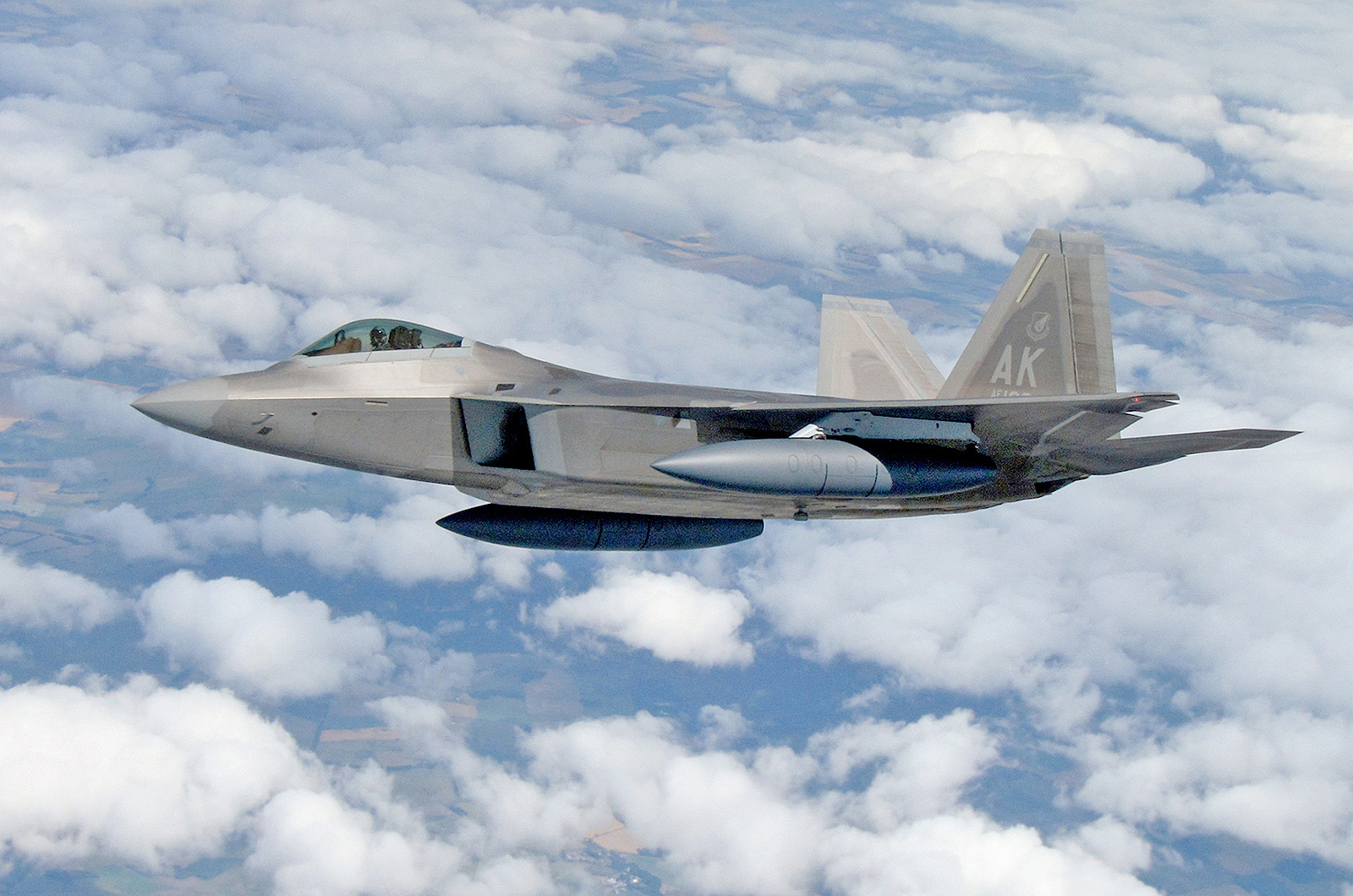
The US F-22 Raptor was not the first stealth aircraft, but it was the first stealth fighter. Earlier models like the F-117 were more attack aircraft than true fighters. The F-22 Raptor’s ability to strike from a distance before being detected made it a game-changer in air combat. Stealth technology focuses on minimizing an aircraft's detectability through radar, acoustic, and visual means. The F-22's design, including its boat-hull fuselage and canted fins, influenced later fighters like the F-35 Lightning II, KAI KF-21 Boramae, and others.
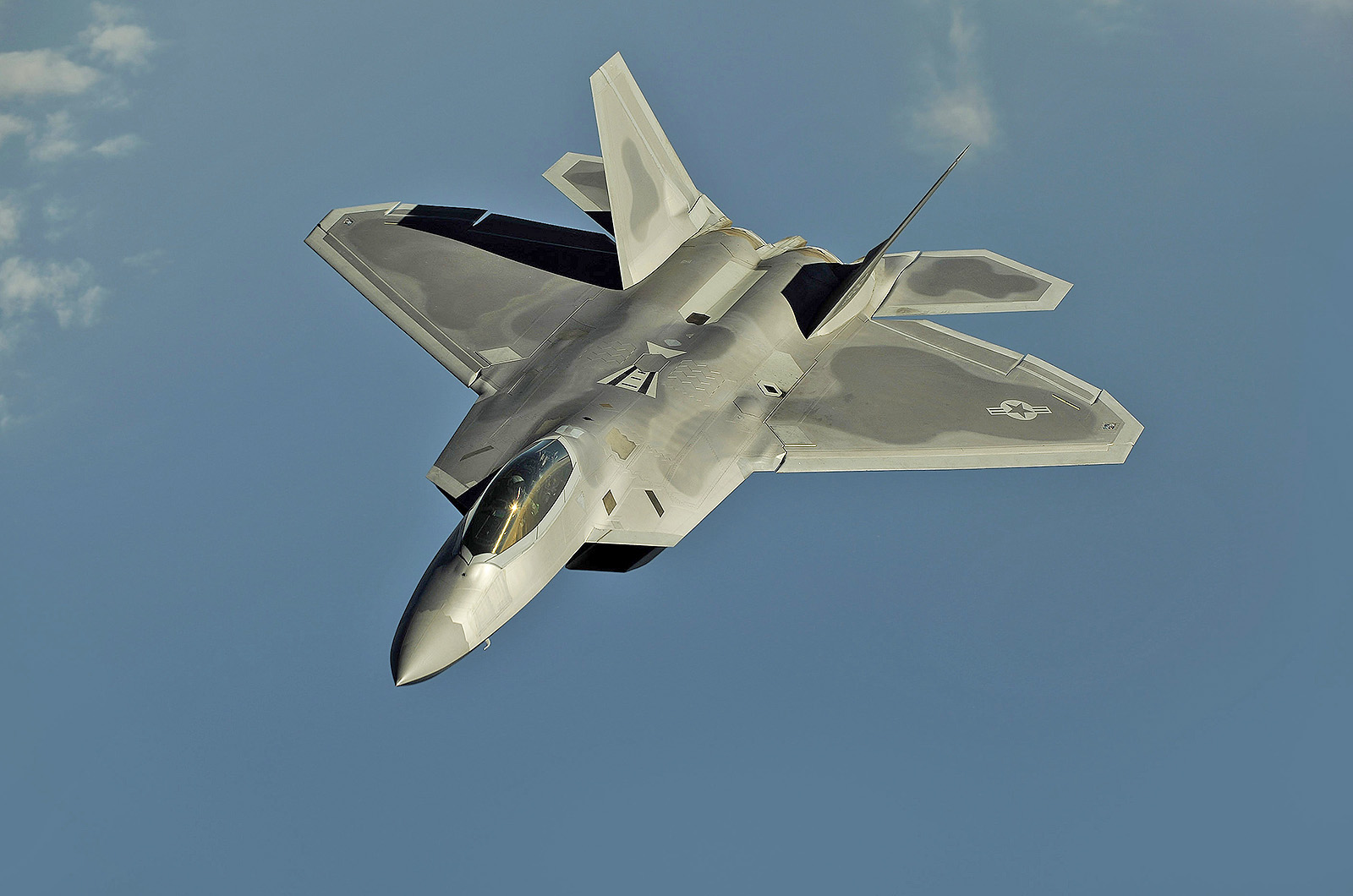
Despite being over 27 years old, the F-22 Raptor remains a dominant force in aerial combat. Its supercruise capability, integrated avionics, and super maneuverability make it a formidable opponent. However, it is the introduction of stealth into air combat that has had the most lasting impact on aviation.
9: Montgolfier Balloons
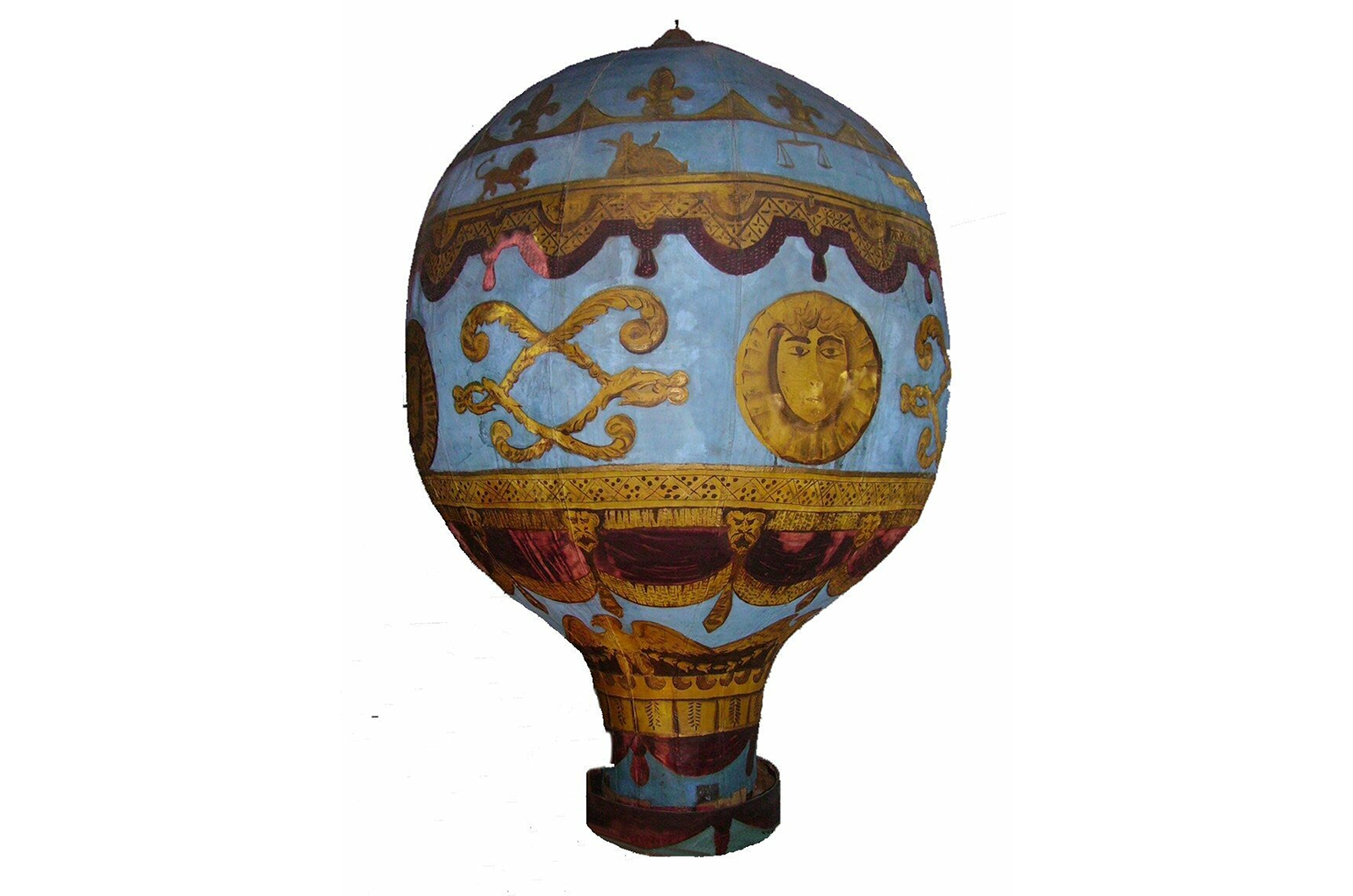
The Montgolfier brothers, Joseph-Michel and Jacques-Étienne, pioneered hot air ballooning. Their first flight in 1783 carried a sheep, a duck, and a rooster, marking the beginning of human flight. Jean-François Pilâtre de Rozier became the first human to fly in a tethered test flight, followed by the first free flight on 21 November 1783 with the marquis d'Arlandes.
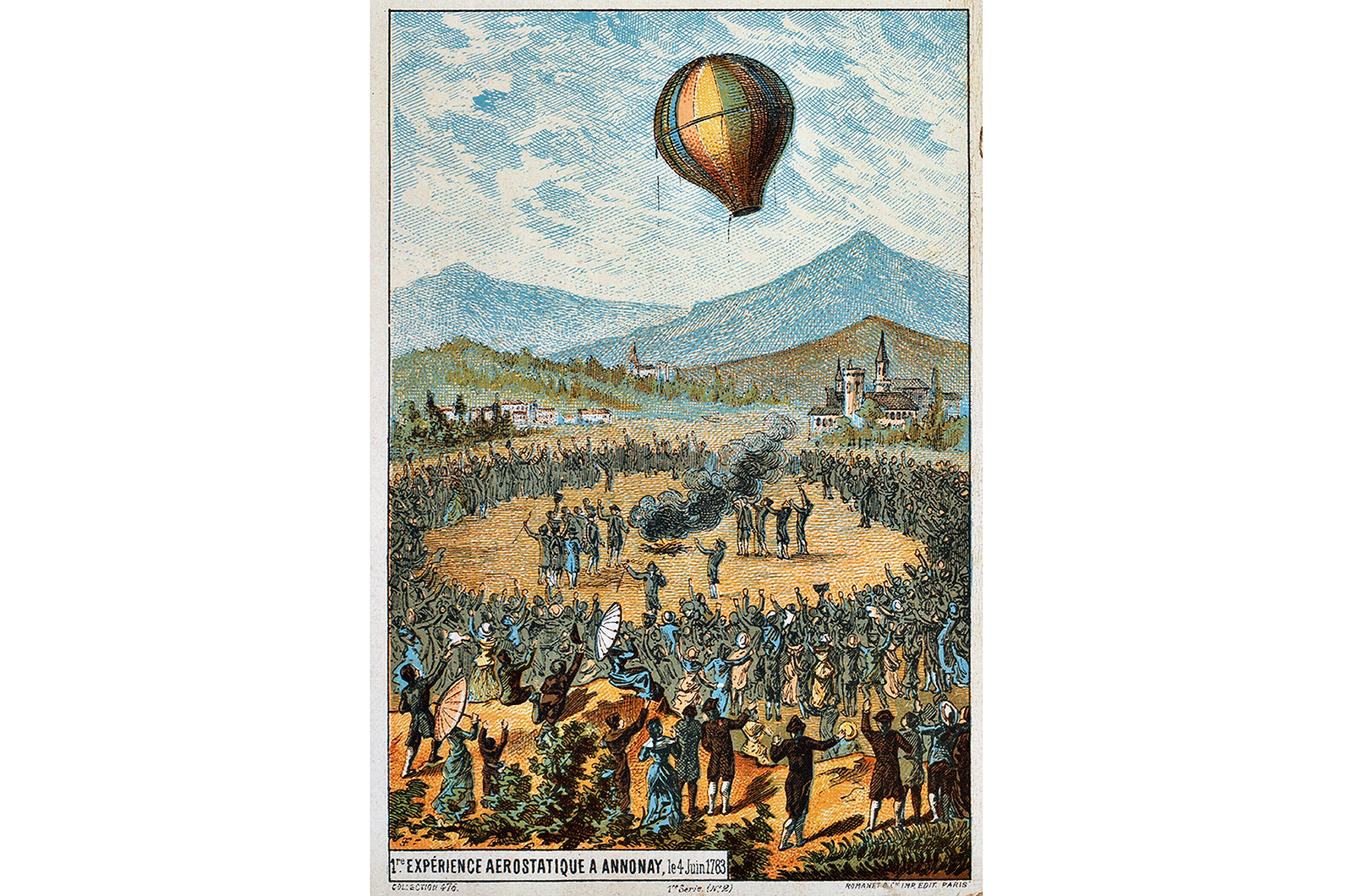
The Balloon Age captivated Europe with its spectacle and danger. Performers like Andres-Garnerin and his niece Elisa would ascend, let the balloon explode, and parachute back down while fireworks lit up the sky. This era laid the foundation for future advancements in flight.
8: de Havilland Comet
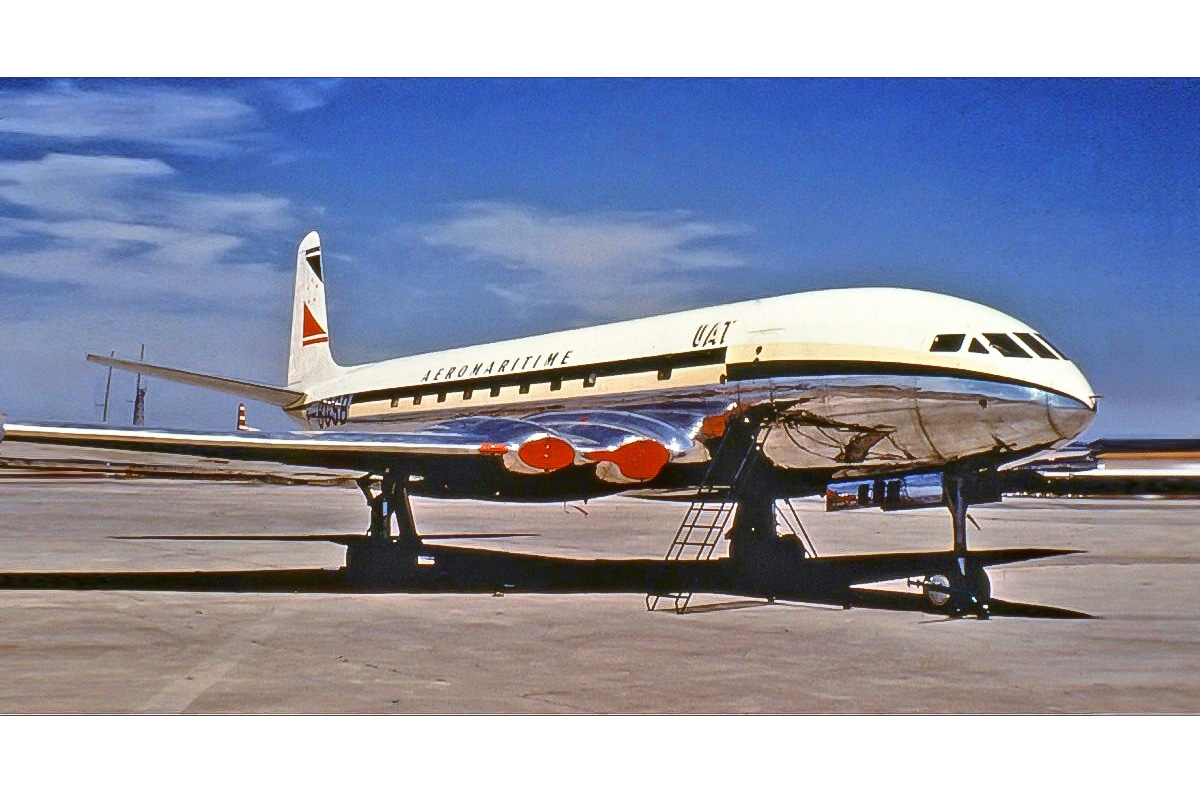
The de Havilland Comet was the world’s first jet airliner, capable of flying at 480 mph. It marked the beginning of the commercial jet age. Despite initial success, the Comet faced setbacks due to metal fatigue in its fuselage. However, it paved the way for future jetliners like the Boeing 707.
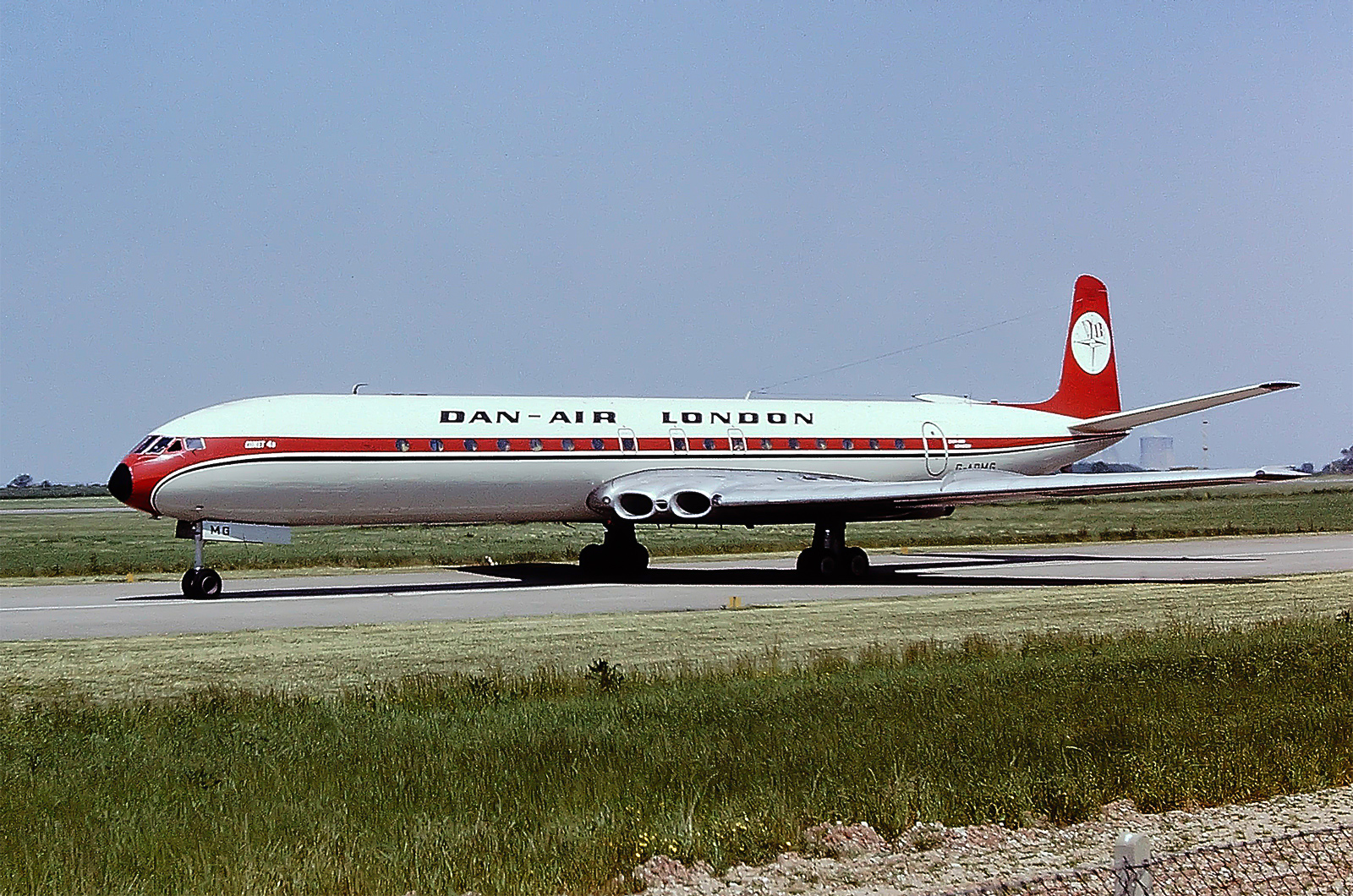
The Comet’s quiet and smooth ride made it popular among passengers. Although it eventually lost its lead to Boeing, it played a crucial role in ushering in the Jet Age.
7: Bell UH-1 Iroquois ‘Huey’
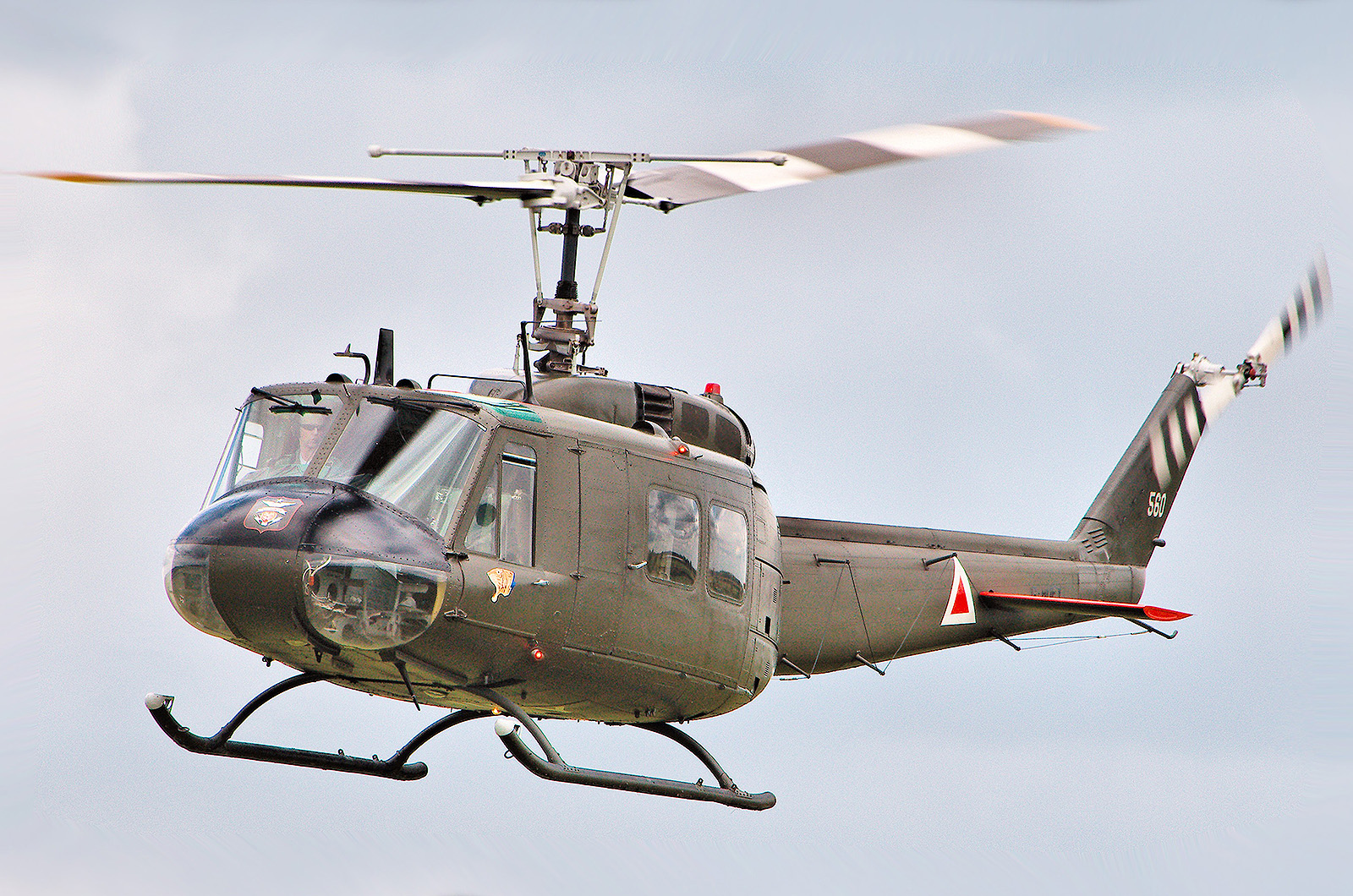
The Bell UH-1 Huey revolutionized military helicopters. It introduced the concept of placing turbine engines and rotor gearboxes on the roof, allowing for a spacious cabin. The Huey became a symbol of the Vietnam War and appeared in numerous films.
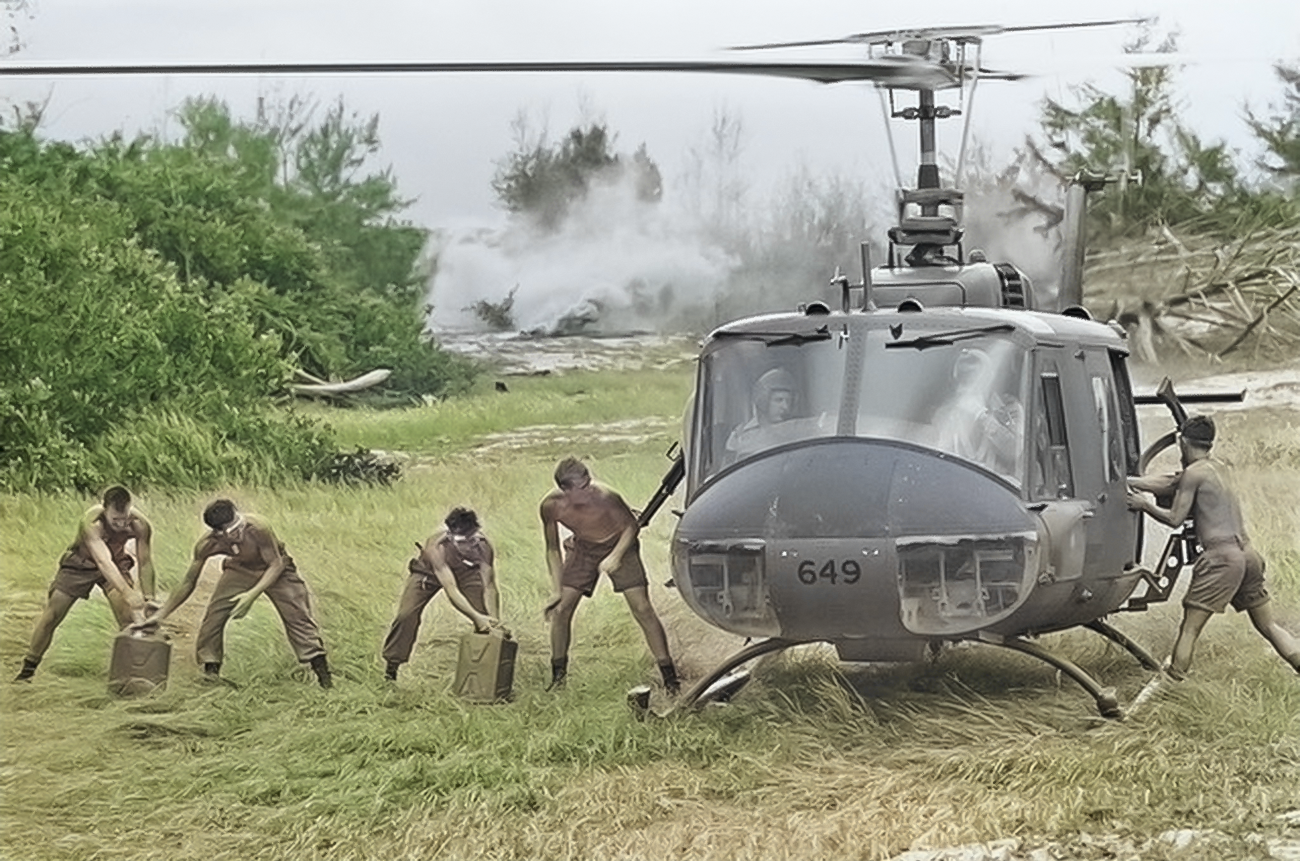
With over 16,000 units produced, the Huey is the second most produced helicopter after the Soviet 'Hip'. Its derivative, the AH-1 Cobra, set the standard for attack helicopters.
6: Boeing B-29 Superfortress
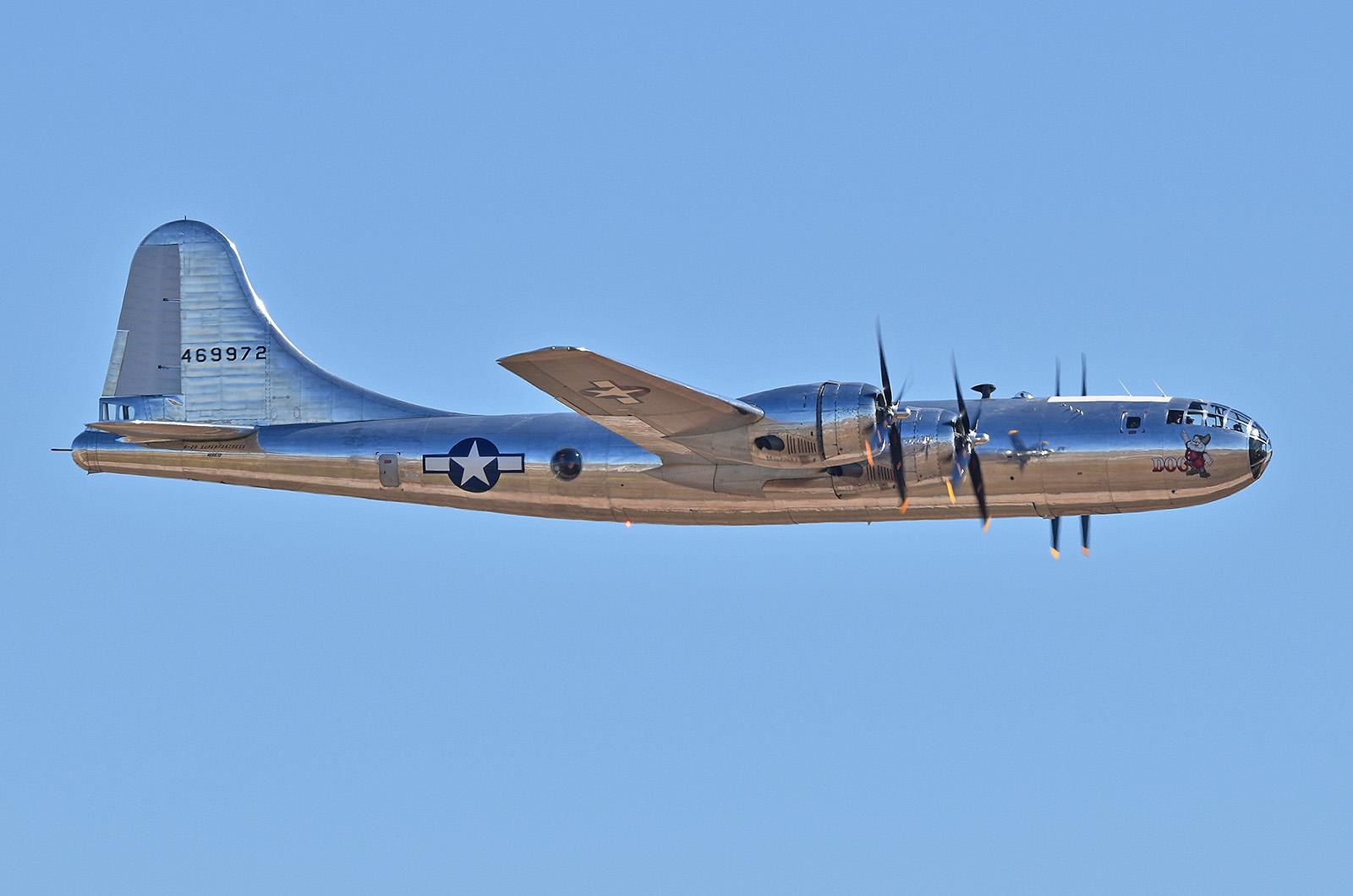
The Boeing B-29 Superfortress was the most expensive military project of World War II. It introduced pressurized cabins, making high-altitude flights safer and more comfortable. The B-29 also played a pivotal role in atomic warfare, dropping bombs on Hiroshima and Nagasaki.
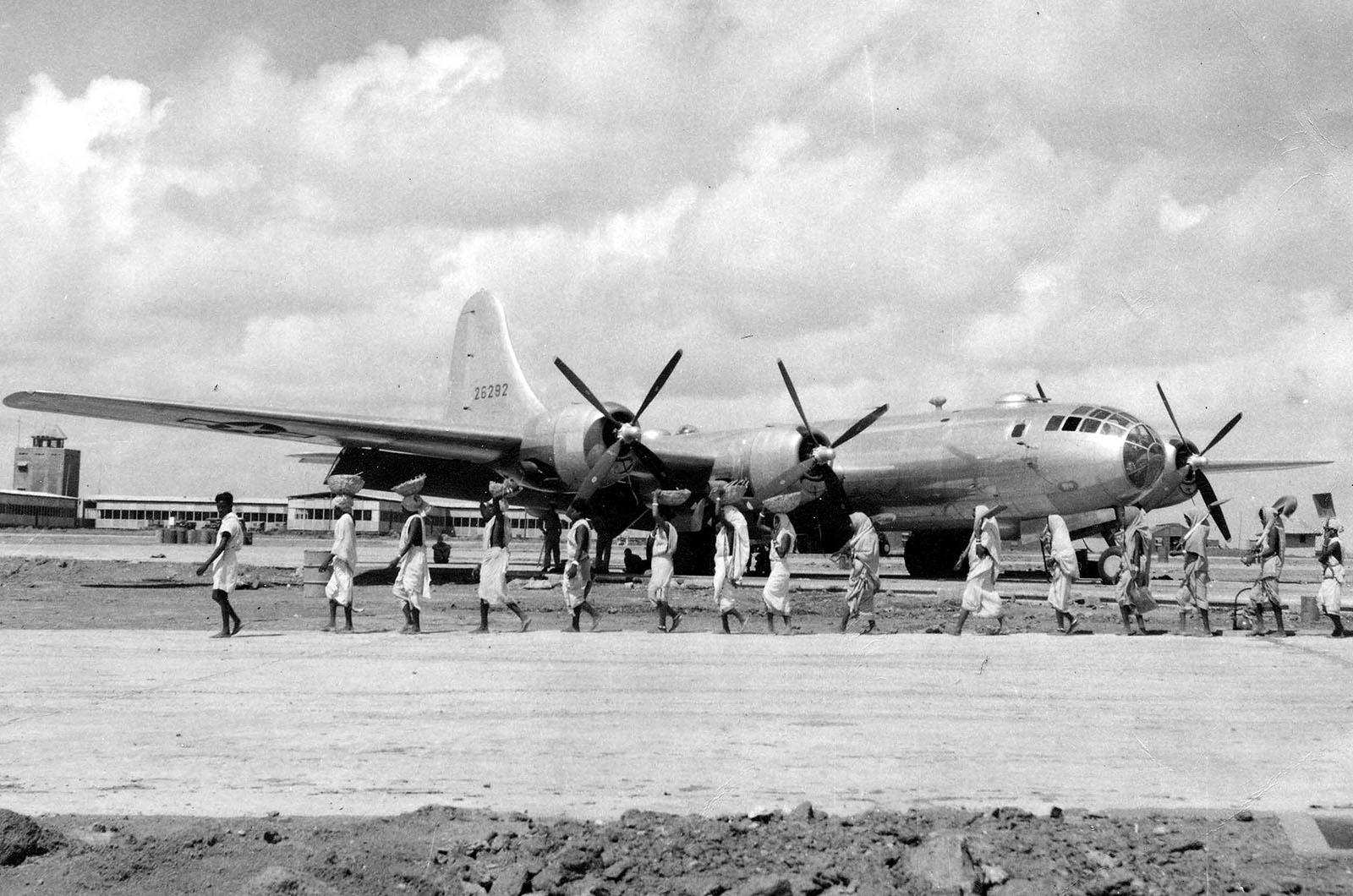
Its advanced design and capabilities made it one of the best bombers of World War II. The B-29 marked the beginning of the Atomic Age and laid the foundation for Boeing’s future success.
5: Polikarpov I-16
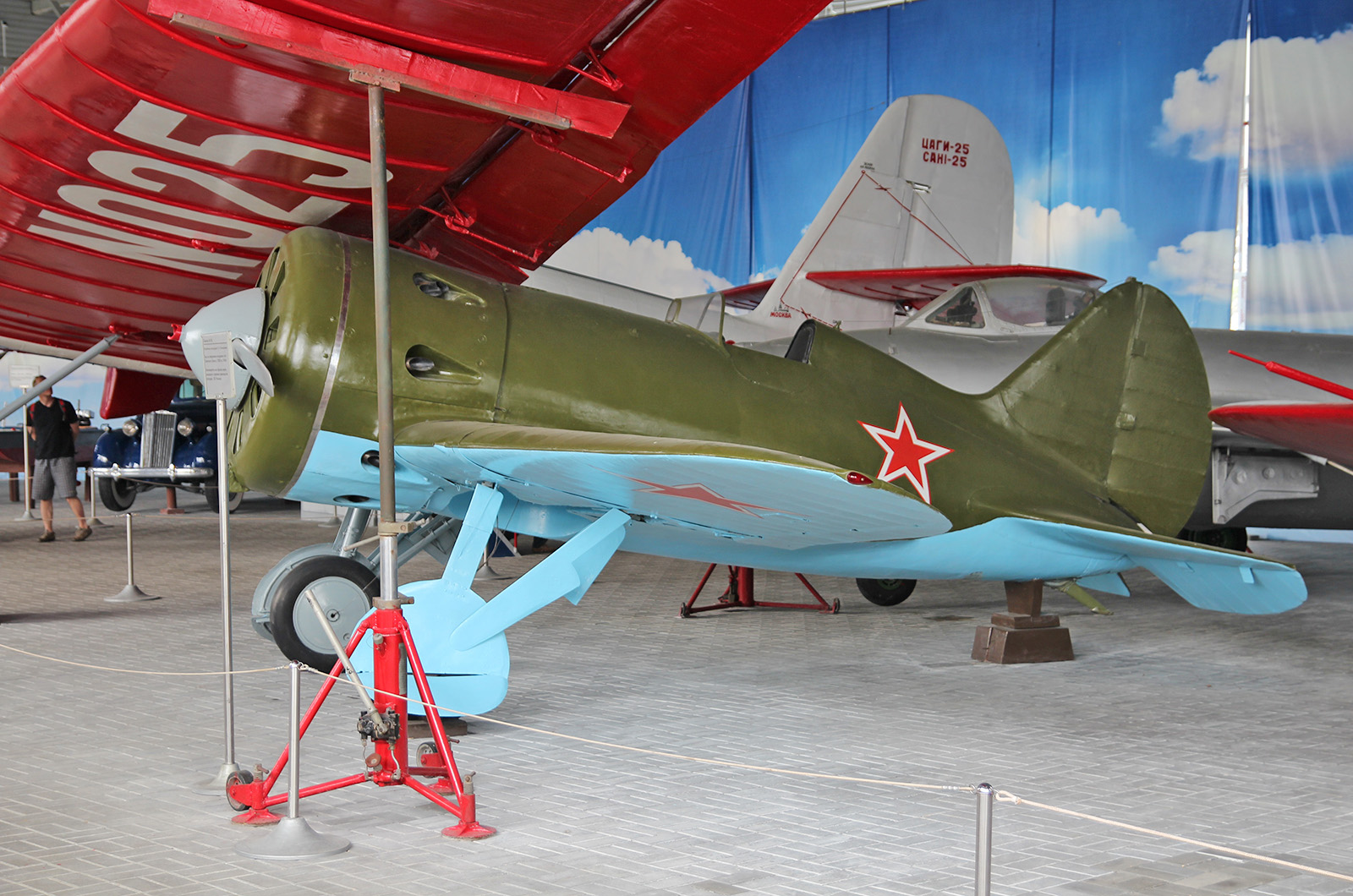
The Polikarpov I-16 was the first fighter to dominate the skies for six years. It introduced a radical configuration that influenced many later fighters. Despite its handling issues, it was a significant step forward in aircraft design.
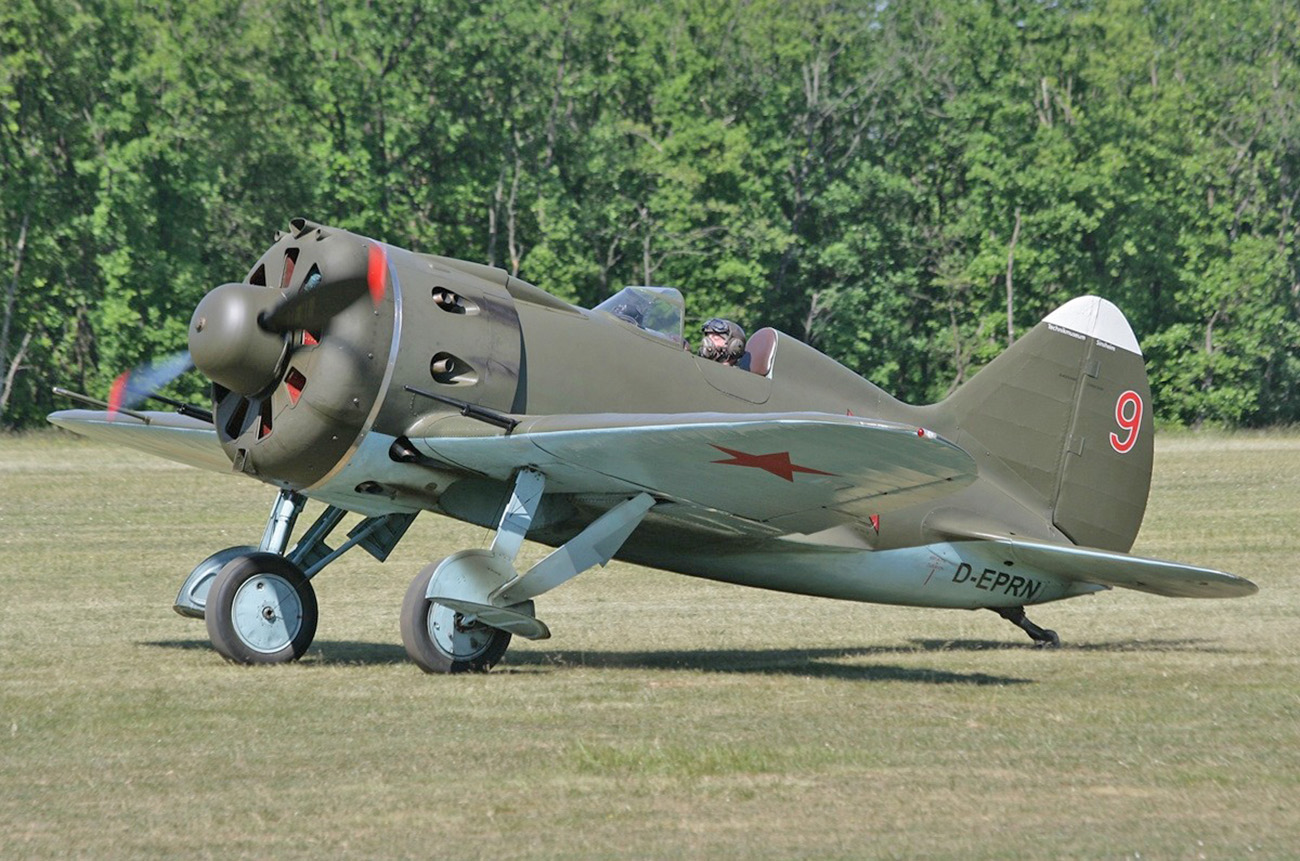
The I-16 was the first mass-produced monoplane with a retractable undercarriage, setting the stage for modern fighter designs.
4: Boeing 247
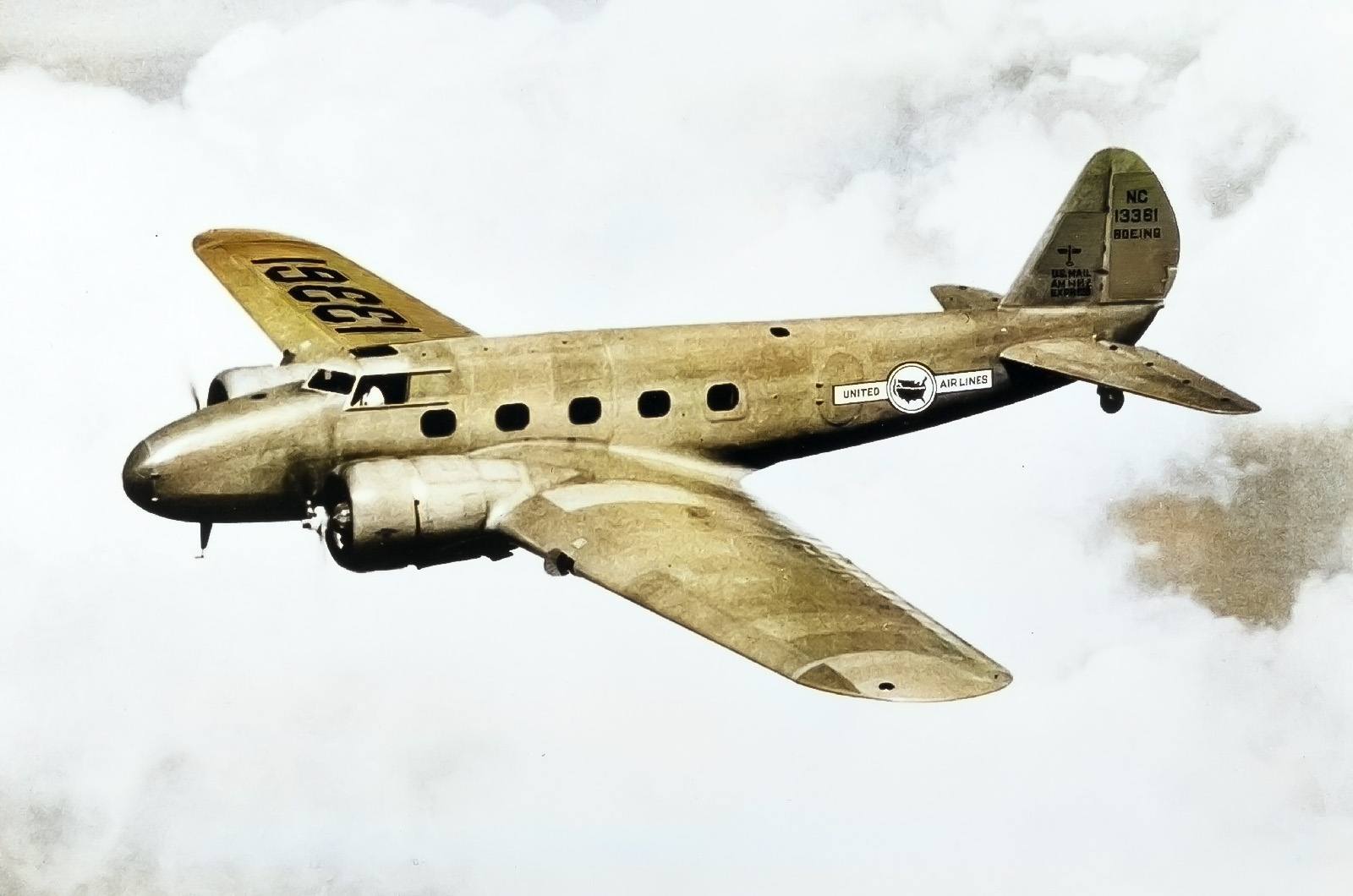
Considered the father of the modern airliner, the Boeing 247 introduced many innovations, including all-metal construction and a retractable undercarriage. It was a major step forward in making air travel safer and faster.
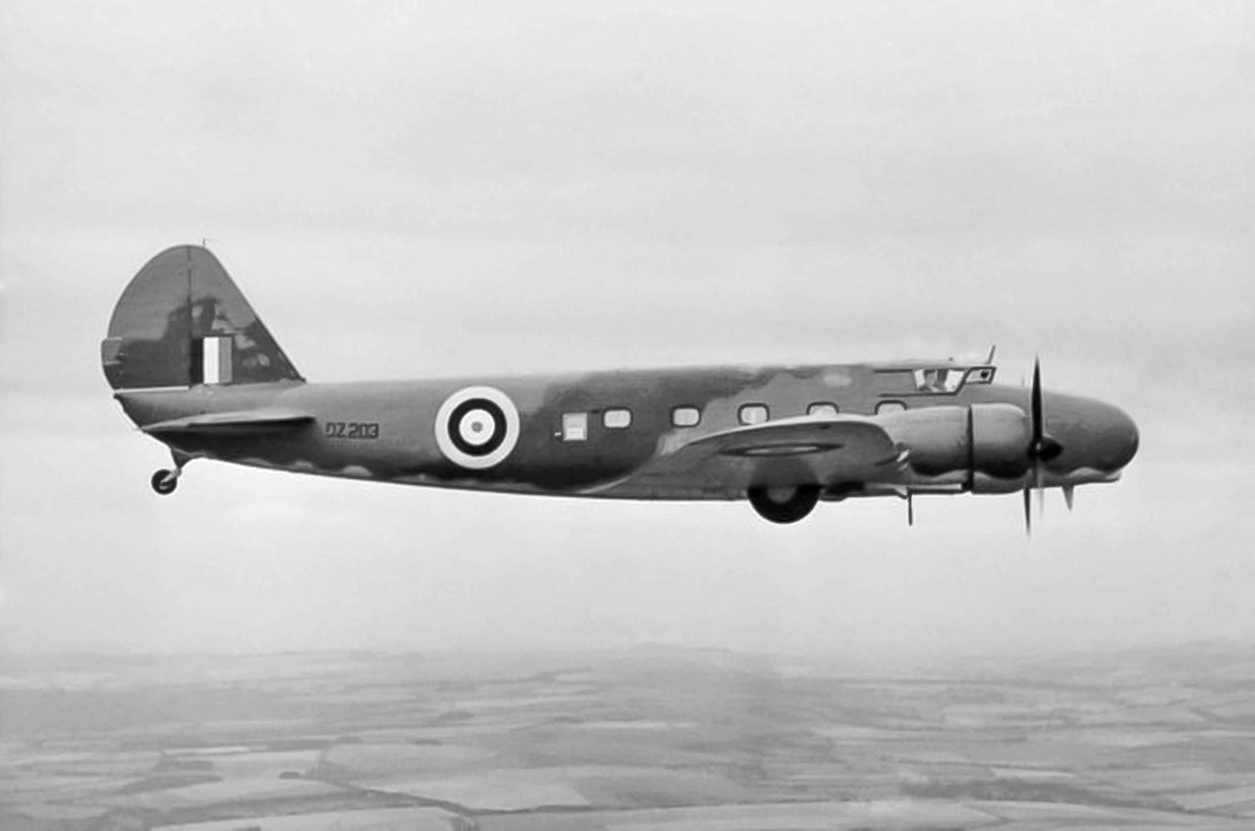
The 247 featured a proto autopilot and de-icing boots, making it one of the most advanced aircraft of its time. It laid the groundwork for future developments in commercial aviation.
3: Boeing 737
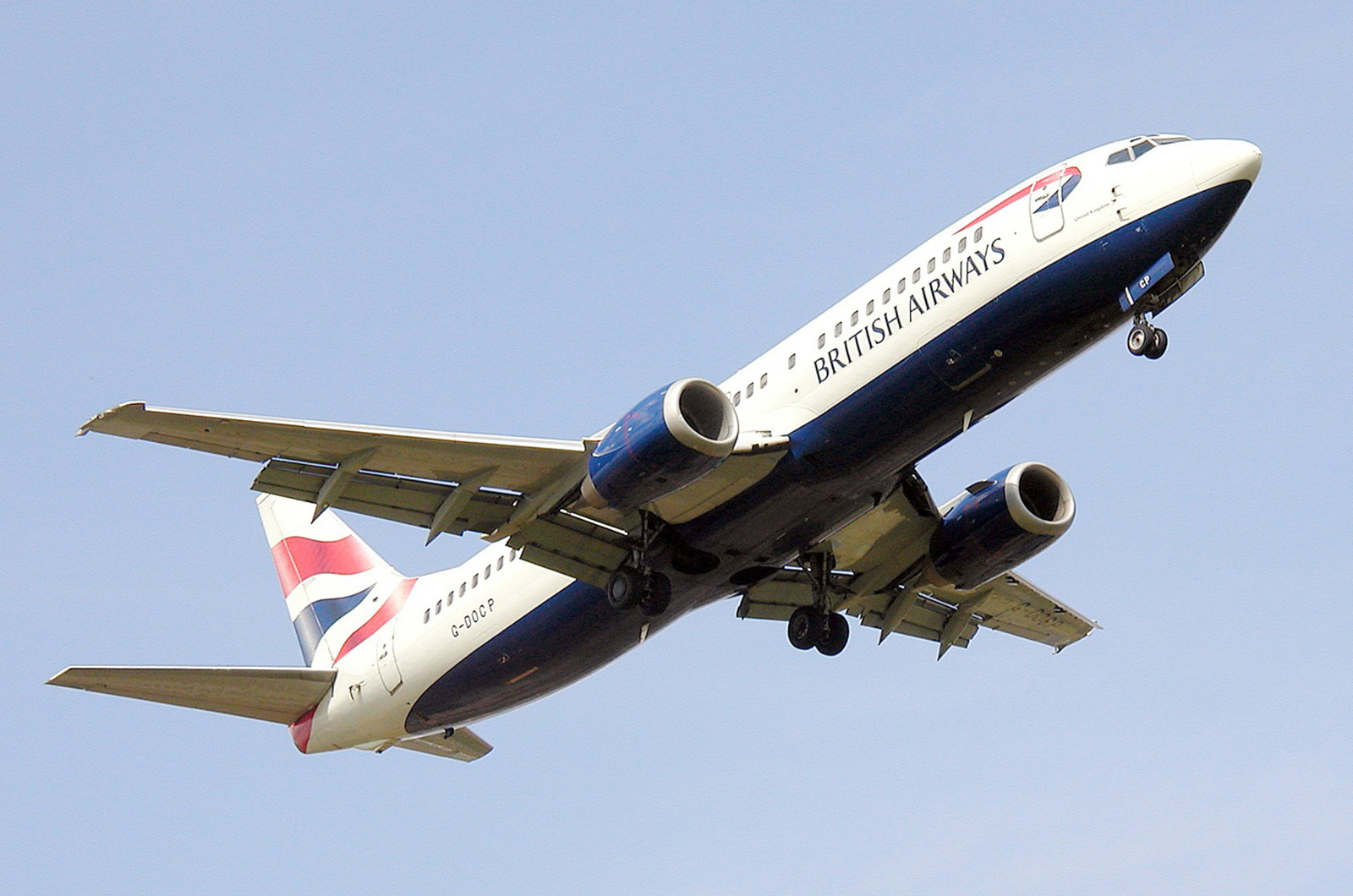
The Boeing 737 is the most successful airliner of all time. Its success came from getting the size and timing right rather than technological innovation. It was designed using lessons from earlier models like the 707 and 727.
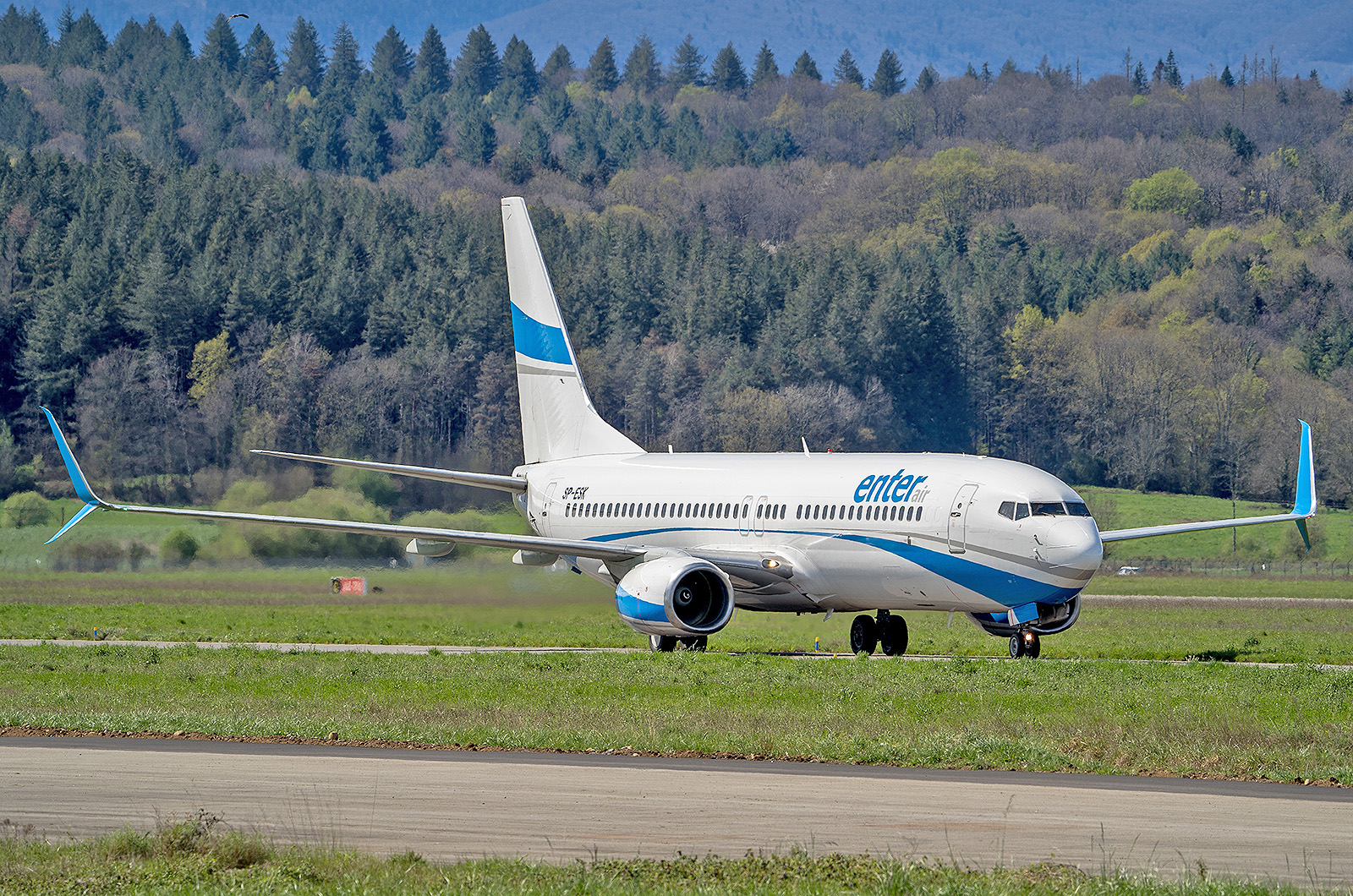
The 737’s efficiency and ease of operation made it a favorite among airlines. However, its low ground clearance and engine placement posed challenges when newer, larger engines were introduced.
2: Junkers J 1 (and other early metal types)
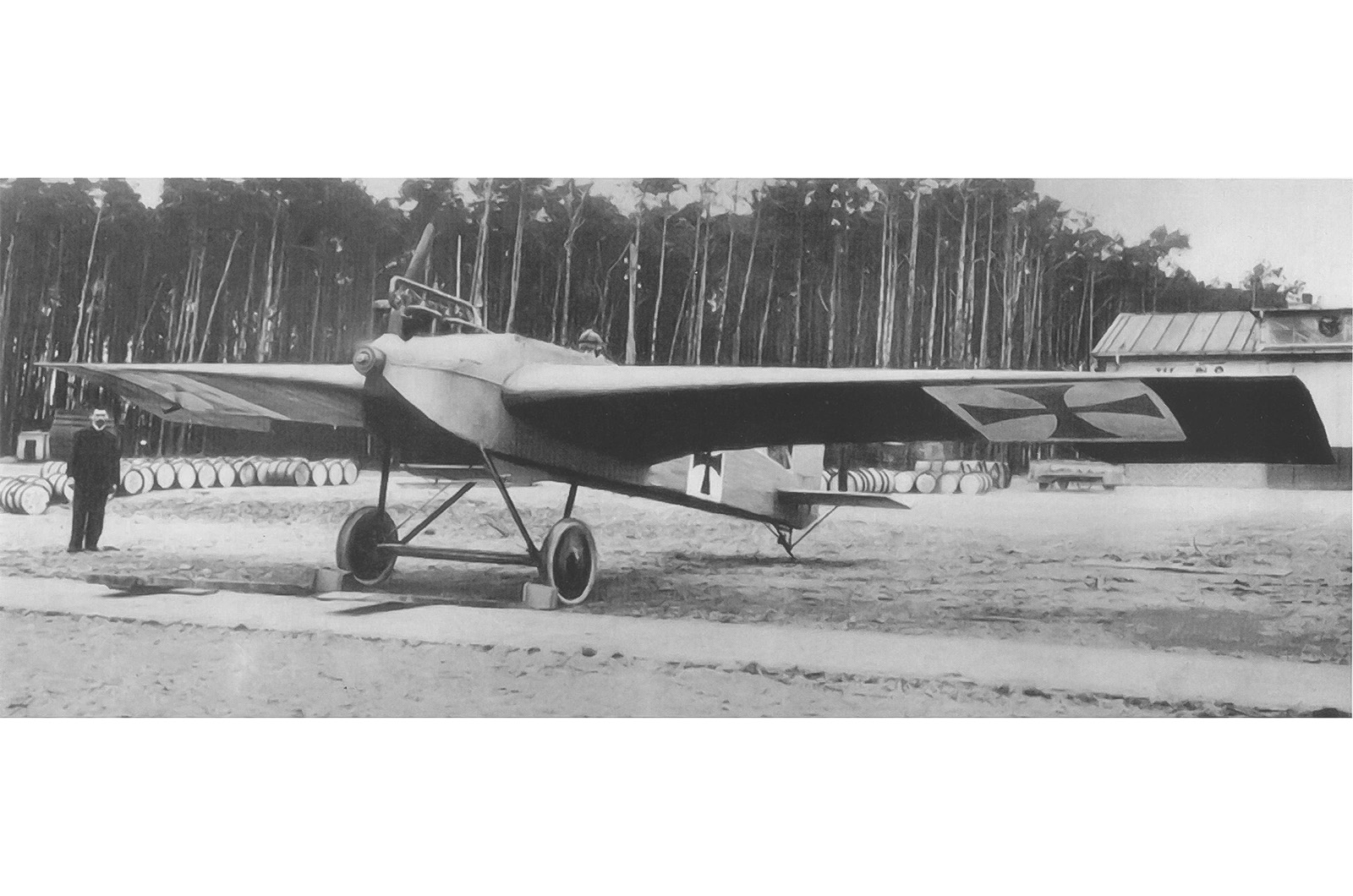
The Junkers J 1, developed in 1915, was the first all-metal aircraft. It used corrugated aluminum sheets for strength, a design that influenced future aircraft like the Ju 52. The Junkers F13 was the world’s first metal airliner, showcasing the potential of metal construction in aviation.
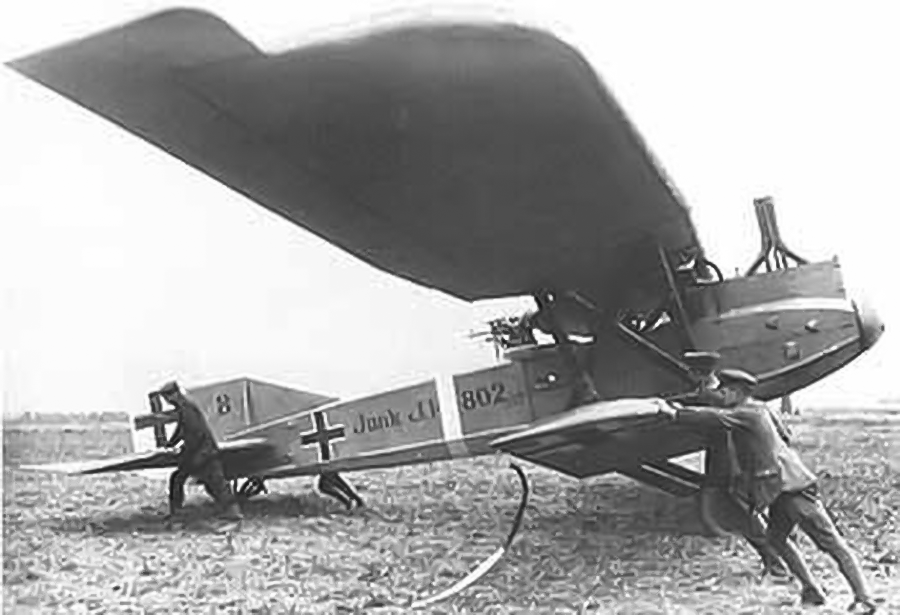
Junkers’ innovations in metal aircraft laid the foundation for modern aircraft design, emphasizing durability and efficiency.
1: Wright Flyer
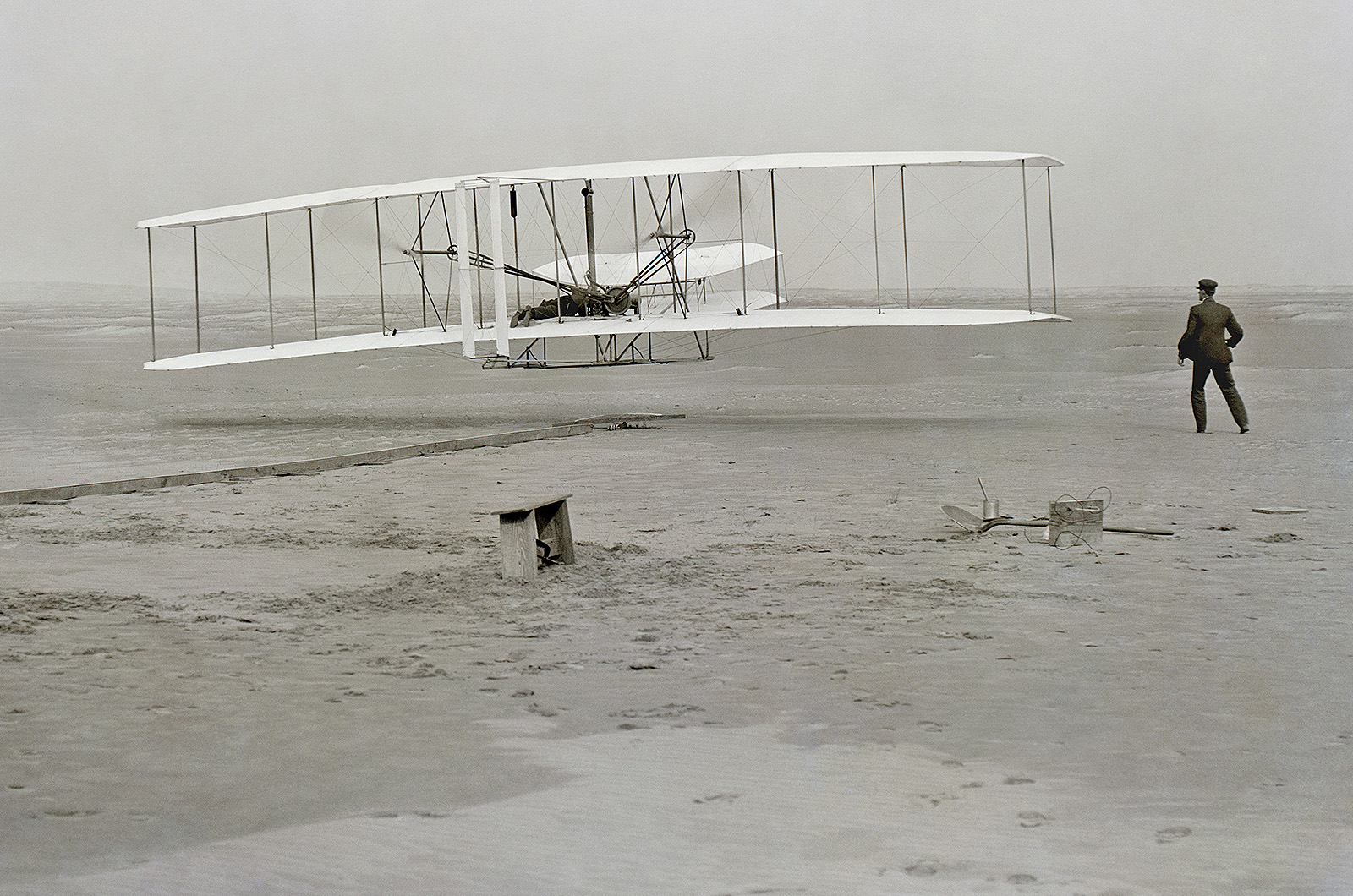
The Wright Flyer, flown by Orville and Wilbur Wright in 1903, marked the beginning of powered flight. It was the first sustained, controlled flight by a crewed aircraft. The Wright Brothers’ scientific methods and testing processes set the standard for future aircraft development.
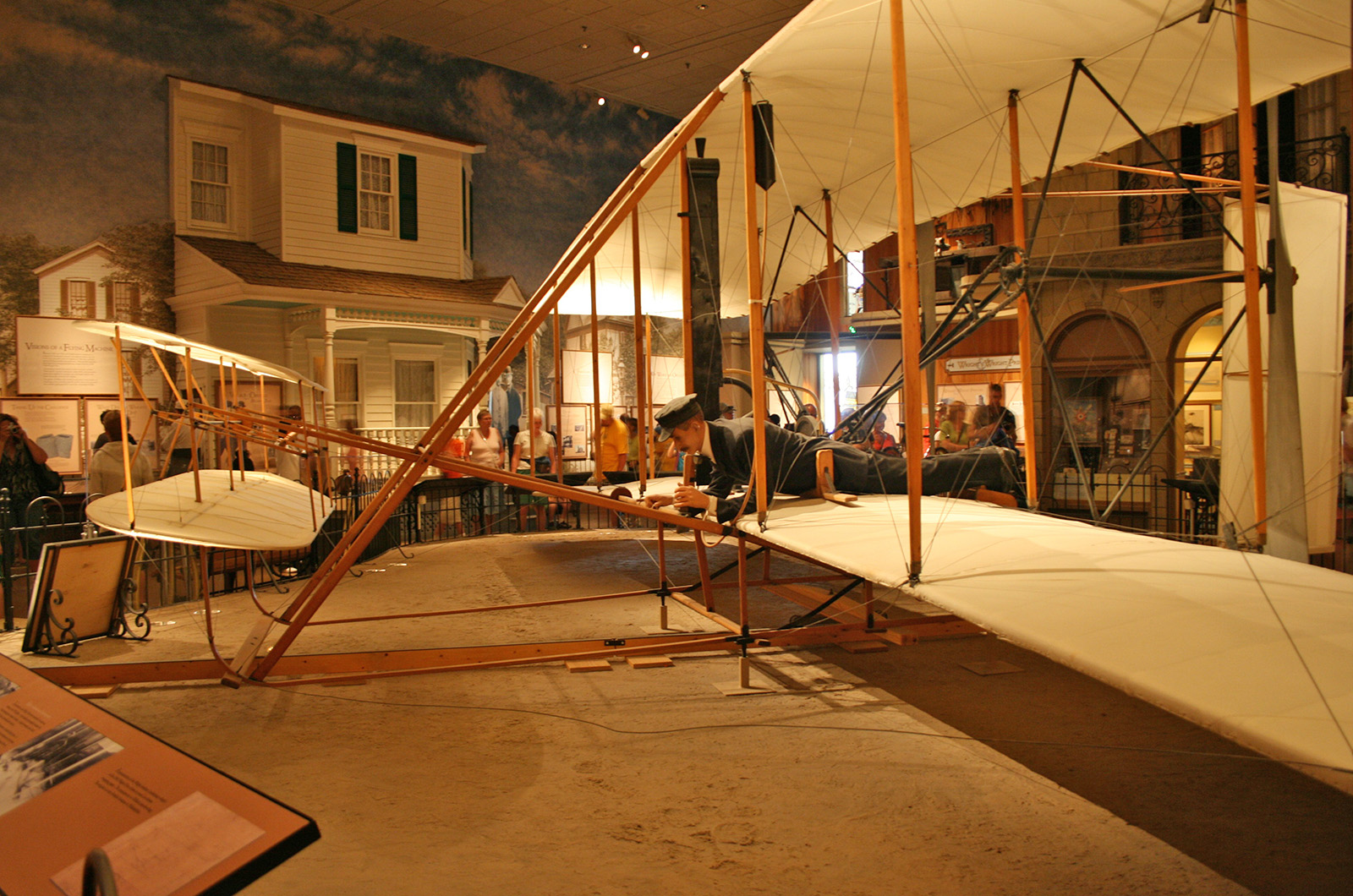
The Wright Flyer lacked a wheeled undercarriage and had a unique pilot position. Despite its primitive design, it started the modern age of aviation. Sections of its fabric were taken to the moon and even to Mars, highlighting its historical significance.
