Top Time to Visit Jordan Is Now
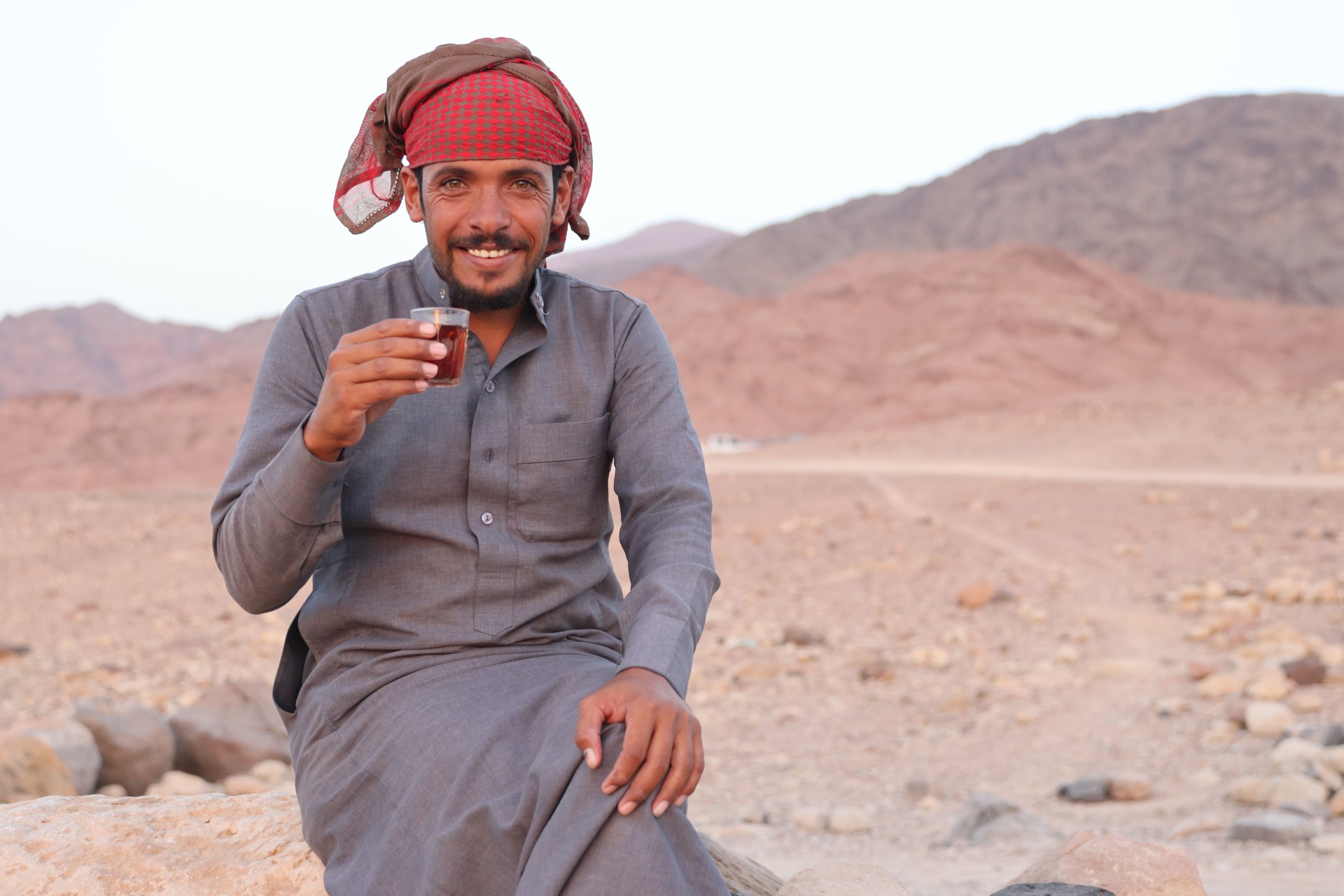
Suleiman Hasaseen’s eyes glisten as he tells me about growing up in Feynan. We’re perched on a flat rock on top of a sandstone escarpment, sharing ‘Bedouin tea’ – a sweet black brew with hints of cinnamon and cardamom. As we chat, the peach-coloured sun dips beneath the horizon.
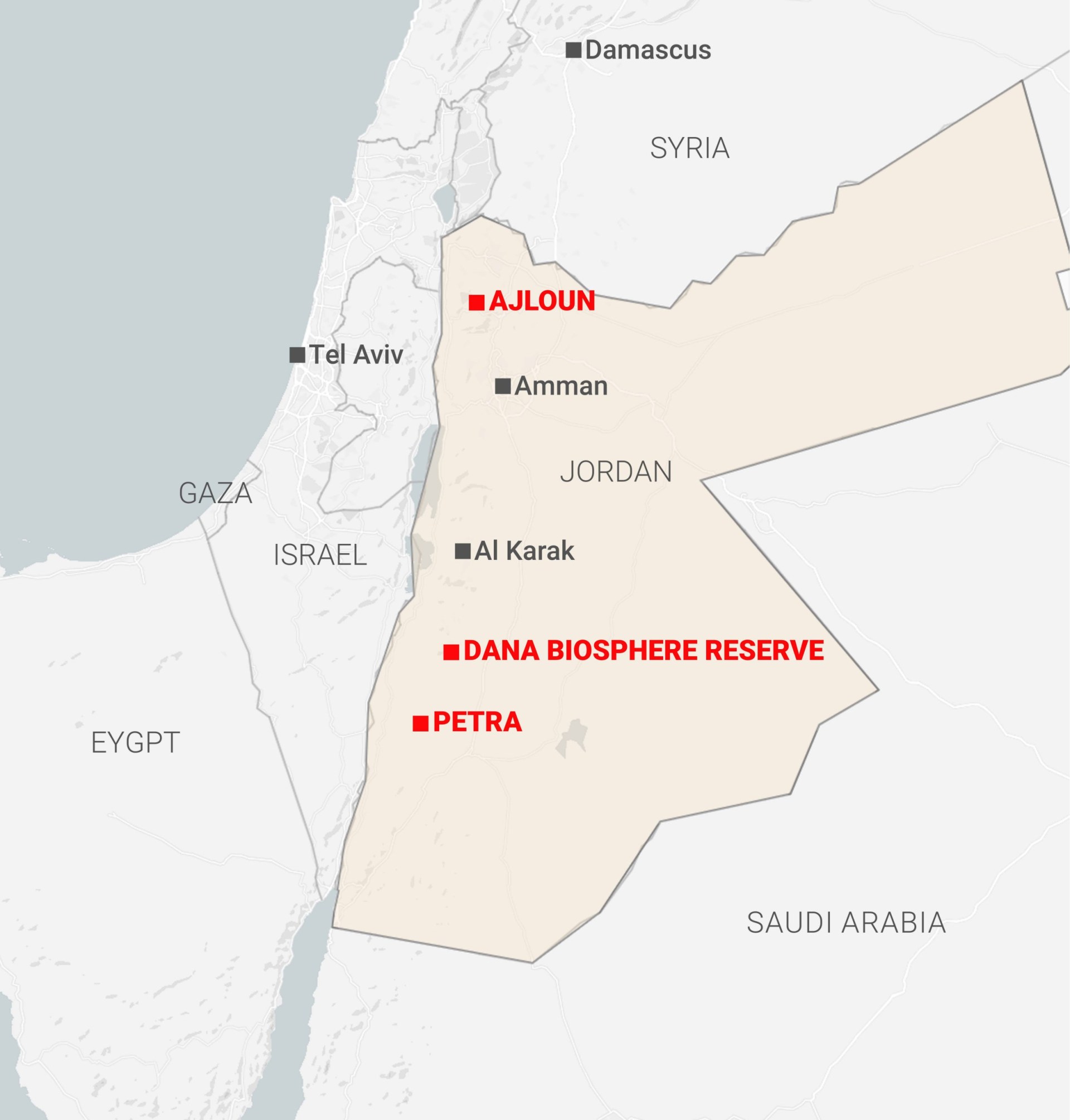
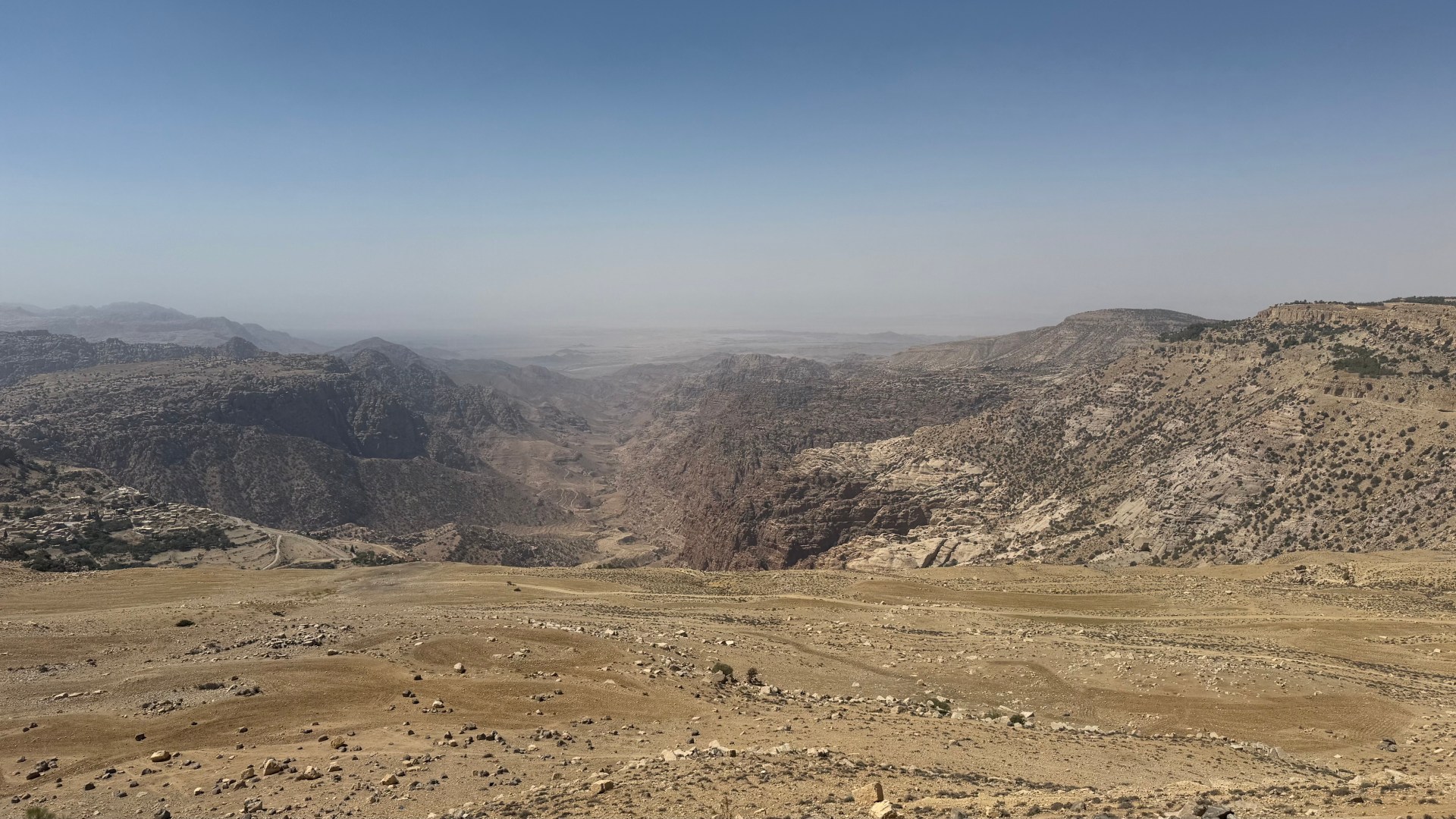
‘I was born just a hundred metres away from here,’ he explains. ‘This is my backyard, and I feel very lucky.’ With mustard and red sandstone hills extending as far as the eye can see, the Dana Biosphere Reserve is exactly how you might imagine a Jordanian desert landscape to be. A single tarmac road snakes through the landscape, several dusty tracks and hiking paths criss-crossing the valleys. Here, there are creatures you can find few other places on Earth: the endangered Syrian wolf, sand cat and spiny-tailed lizard.
Understanding the Bedouin life
Descended from the Bedouin tribe, Suleiman’s ancestors moved freely around what is now known as the Levant region. Today, Bedouins live a semi-nomadic lifestyle, only travelling when drought strikes, to find water and grass for their livestock within Jordan’s central desert.
We’ve teamed up with Newmarket Holidays to offer one lucky reader the opportunity to win an unforgettable escorted tour to Krakow. Get ready for a five-day escape through Poland’s former royal capital, where history, culture, and striking architecture await at every turn. Explore the UNESCO-listed treasures of the enchanting Old Town, stroll along cobblestone streets, and soak in the city’s unique charm. Competition closes November 30, T&Cs apply. Enter now for your chance to win!
‘We have a real sense of community,’ Suleiman says. ‘We believe in, ‘today I need you, but tomorrow, you might need me’. It’s a beautiful way to live.’
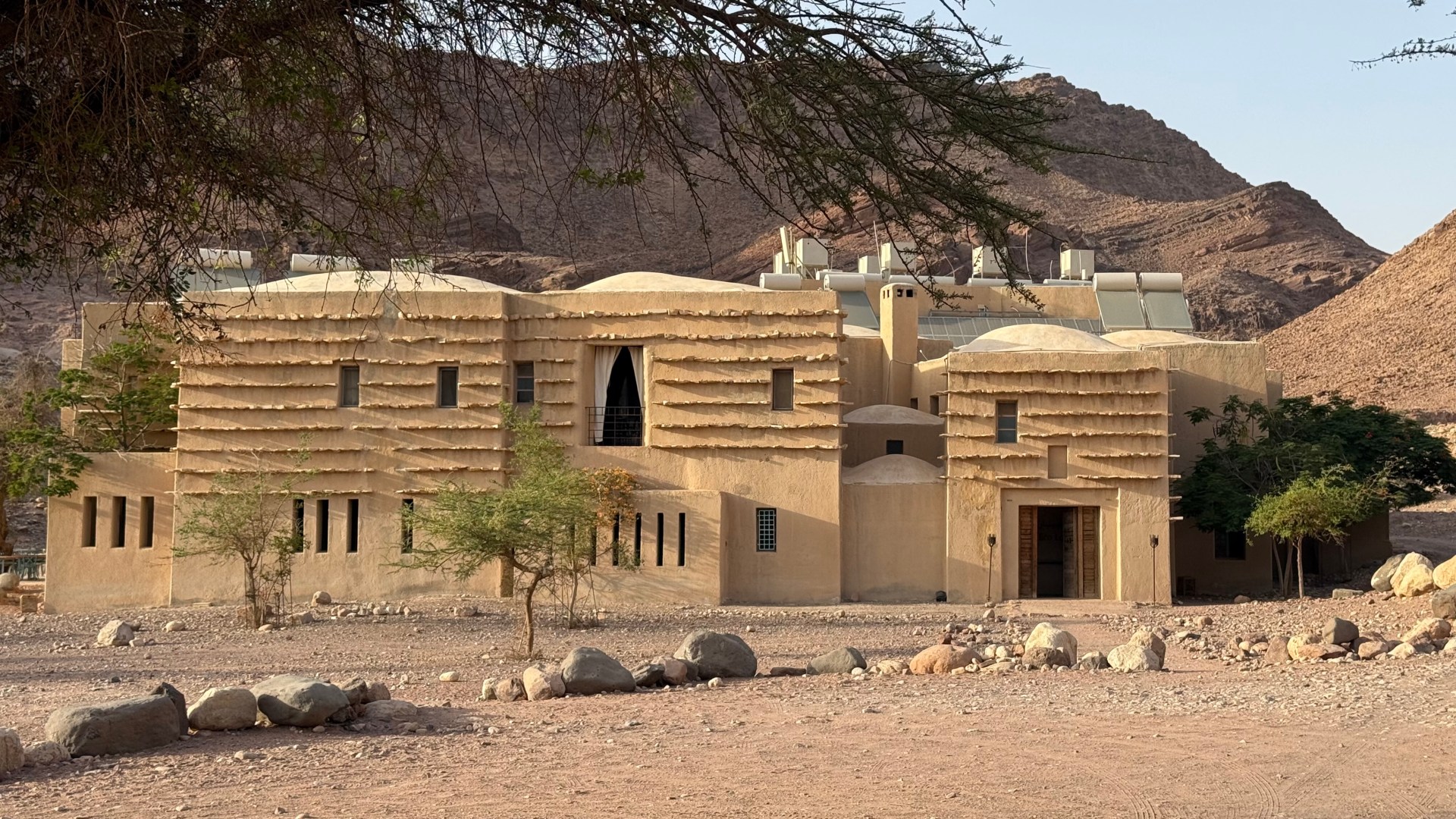
I’m in the heart of the reserve, at Feynan Eco Lodge, a 26-room candle-lit dwelling that offers traditional Jordanian cuisine and Bedouin-centred cultural experiences. From kohl-making with olive oil and charcoal (to protect the eyes from desert sand, rather than as make-up) to basket-weaving and herding goats, the lodge brings visitors and local families together to share in the Bedouin way of life, set against panoramic views of the desert. After an evening of stargazing on the roof, the lodge’s duty manager, Ali Amareen, excitedly pulls out a telescope.
‘Want to see something special?’ I put my eye to the lens and gasp. It’s Saturn, gleaming in white with its rings clearly visible. It is an unforgettable moment for any traveller… but I’m the only guest staying here.
Tourism running dry
Home to over 11.5 million people and welcoming approximately one million tourists a year before October 2023, Jordan has long reaped the benefits of a healthy tourism industry. Its most famous attraction, the ancient city of Petra – one of the new Seven Wonders of the World – once drew 5,000 visitors a day.
However, with the devastation in Gaza and the Occupied West Bank, which borders Jordan to the west, and a general misconception of the entire region being unsafe, the country now faces tens of thousands of cancelled bookings. International tourism in Jordan is estimated to have nosedived by 70% in 2024, with British arrivals dropping by 31%.
‘We hear people are afraid to come here,’ Suleiman tells me. ‘But many people misunderstand our culture and this region. Our hospitality comes from the heart.’
A slight pick-up in tourism numbers in 2025 means some hotels have reopened (I only saw two boarded up across my whole trip, and I was looking). Thankfully, Jordan’s tourism model means local people are still visiting the community and family-run experiences, and domestic tourism remains healthy. Around the popular sites of Petra and Wadi Rum, Bedouin-heritage businesses dominate the international visitor landscape, with many people owning and running their own restaurants and souvenir shops.
Although most have stayed open, these are the communities that have been hit hardest by the decline, and now every dollar makes a difference. Vendor Zara Mohammed explains: ‘I have been working here for 25 years, and this has been a very difficult time. My family still depends on the small number of people who visit Petra, who come and buy our scarves and jewellery.’
And I must be clear that while my proximity to the West Bank and Gaza is not lost on me, never once do I feel unsafe, even while spending the first half of a 10-day trip solo. Life here continues as normal. There’s no extra security presence or warnings to be more vigilant – although I’m told the Jordanian military has always maintained a presence around the country’s borders, including with Syria in the north and West Bank and Israel to the east.
However, it’s travelling with local guide, Yazan Hijazeen – who knows the country inside out and is experienced in handling potential travel delays or flight cancellations – that makes me feel particularly safe. When I join a small group itinerary with G Adventures for the second half, I travel with like-minded travellers, allowing me to see Jordan’s highlights through the company’s typical immersive, community-based experiences.
The best places to visit in Jordan
Amman – a dynamic capital that neatly combines traditional architecture and culture with the buzz of modern life.
Aqaba – the southern port town not only has some of the best coffee shops in the country, and is a Scuba diver’s haven – with healthy corals and even an underwater military museum.
The Dibbeen Forest – wander the rugged pine and oak-lined paths of the country’s most recent conservation area, with entry fees going towards preserving this woodland habitat.
Quseir Amra – this fresco-adorned, UNESCO-recognised desert castle is an example of early Islamic architecture, built during the reign of the sixth Umayyad caliph.
The Azraq Wetlands Reserve – home to over 290 types of bird, including 20 breeding species, this desert oasis is the place to see Jordan’s endemic birdlife close up.
The old and the new
My first few days are spent in Jordan’s northwest, where Qal’at ar-Rabad overlooks the town of Ajloun. Built in 1184 by the Islamic leader Saladin’s army to defend themselves against Crusaders, the fortress walls are evidence of a region rich in history that few people fully understand.
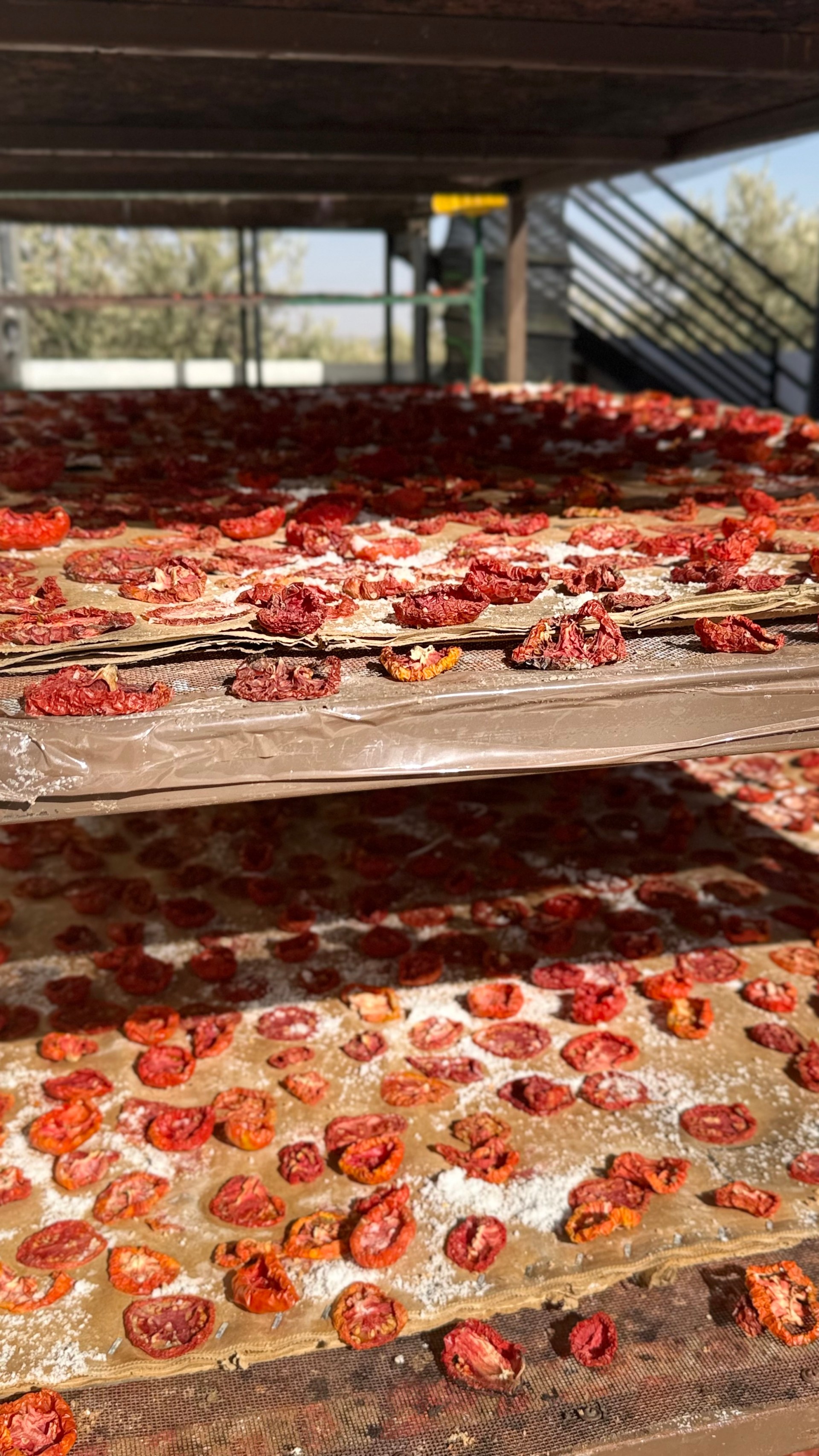
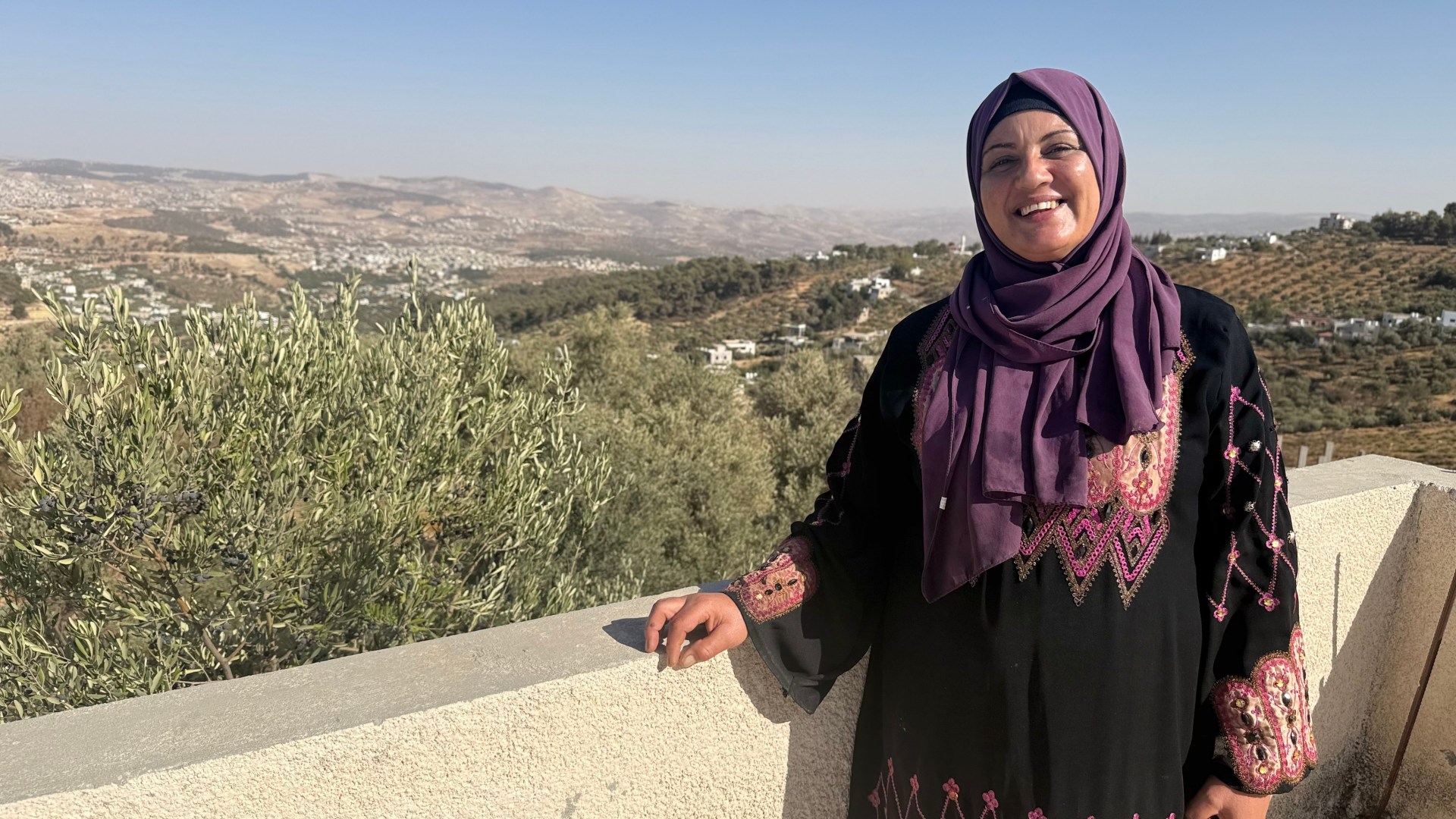
At nearby Beit Sultana, Nabila Mustafa invites travellers to a mouthwatering lunch of maqqloubeh (a traditional rice dish with chicken, flipped upside down before serving), cucumber and tomato salad, and yoghurt. As we feast, she explains how she leads a cooperative in which local women are employed and trained in making everything from sundried tomatoes and honey to soap. With tourism at a low here, it’s reassuring to know this family-run enterprise can support so many people.
In the old city of Jerash, I join the G Adventures group to wander the Greco-Roman Hadrian’s Arch. Local guide Zuhair Zuriqat shares how he grew up here, surrounded by old and new. As we walk along the towering marble colonnade, the backdrop of a modern city twinkles in the sun.
Jordan’s crown jewels
Crossing the famed golden sand dunes of Wadi Rum by 4WD is undoubtedly a highlight of any trip to Jordan. There’s nothing quite like riding the dunes to the edge of deep gorges, particularly as the sun goes down.
Another must is the Dead Sea – a salt lake that sits at over 430 metres below sea level. Thanks to the high salinity of the water, floating weightlessly is pretty much the activity to do here.
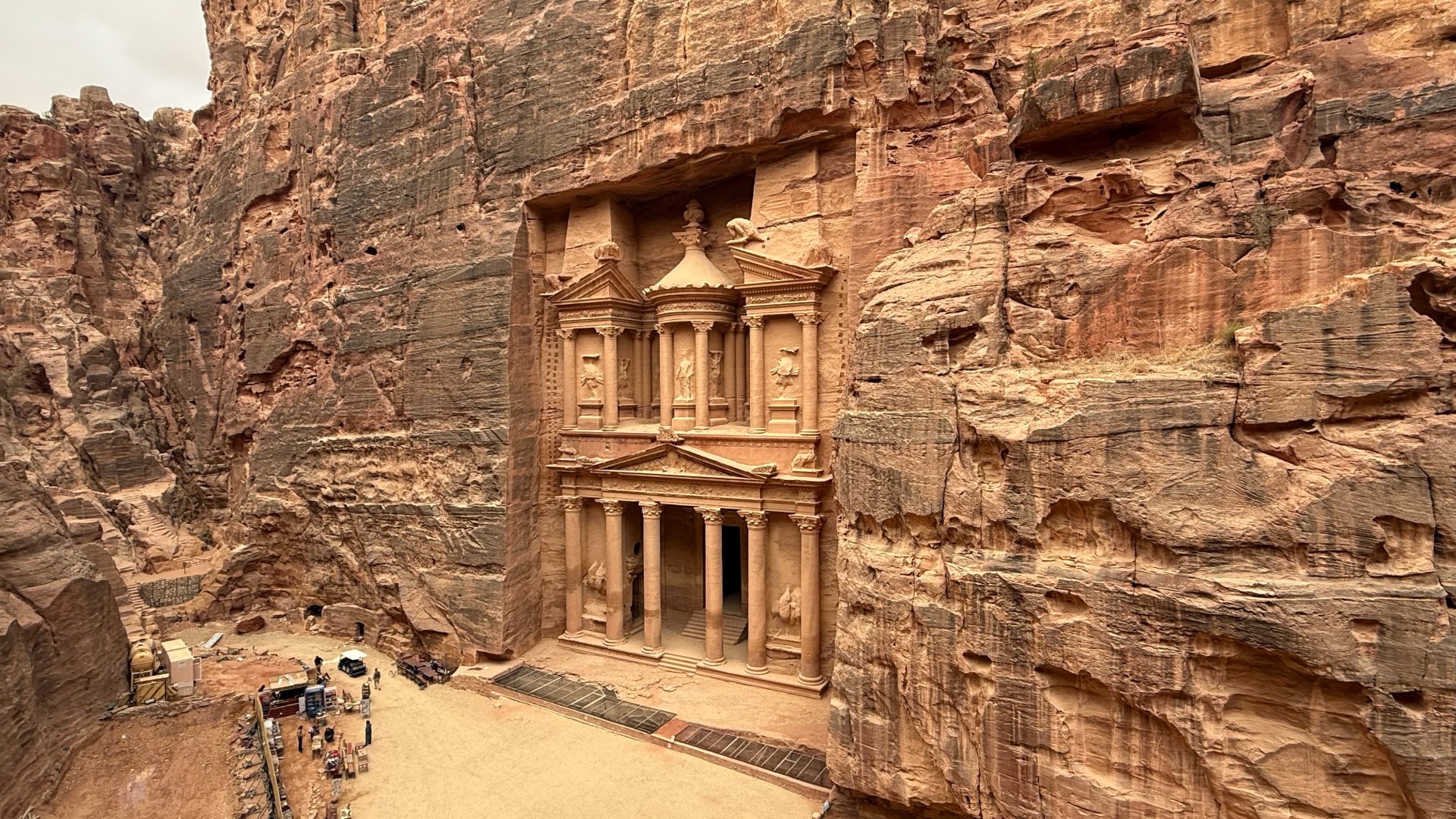
Of course, no visit to Jordan would be complete without seeing Petra. Settled by the early Nabateans over 2,000 years ago, the area has been home to several civilisations, including the Romans. Even the Bedouins settled among the ruins until 1985, when the city became a protected archaeological site.
Strolling the narrow sandstone gorge, with just a handful of other visitors, feels eerie. The etched depictions of camel traders – known as caravans, carrying spices, incense and silks – are a reminder of a time long past. Eventually arriving at the Treasury, Petra’s most famous and extravagant site, can be overwhelming – but don’t stop for long because the en-Nejr the theatre and Grand Temple are just as impressive.
How to get to Jordan
G Adventures has 15 Jordan itineraries with small groups. ‘Highlights of Jordan’ starts from £1,199pp, excluding international flights. All itineraries are ABTA protected.
Direct flights with Royal Jordanian from London to Amman depart once a day, with fares starting from £550 return.
The UK Foreign Office advises against travel within 3km of the border with Syria.
