UK Cuts Malaria Funding by 15% Despite Global Health Crisis
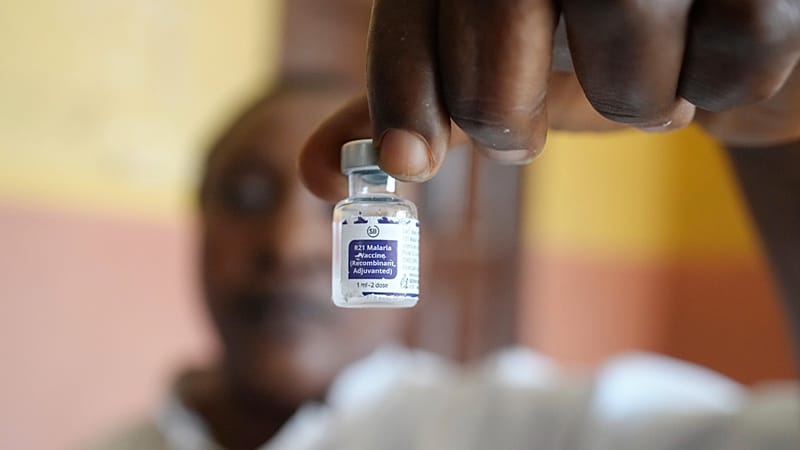
UK's Reduced Funding for Global Health Initiatives
The United Kingdom has announced a significant reduction in its financial commitment to global health initiatives, pledging £850 million (€966 million) over the next three years to combat AIDS, tuberculosis (TB), and malaria. This represents a 15% decrease from its previous funding, which was set at £1 billion (€1.1 billion) in 2022 and £1.46 billion (€1.67 billion) in 2019. The shift in priorities reflects the UK’s growing focus on national defense rather than foreign aid.
This funding will support the work of the Global Fund to Fight AIDS, Tuberculosis and Malaria, an organization that plays a crucial role in addressing these global health challenges. The Global Fund is one of the largest entities working to eliminate these deadly diseases worldwide, and its efforts have contributed to a 63% reduction in combined death rates from AIDS, TB, and malaria since 2002.
However, the decision to reduce funding has raised concerns among advocacy groups. They had anticipated cuts of up to £200 million (€227 million), or 20%, from the UK. While they welcomed the £850 million pledge, they warned that the reductions could have serious consequences in countries that depend heavily on the Global Fund’s programs.
Katie Husselby, network director for the UK-based Action for Global Health, expressed concern about the impact of the UK’s cuts. She stated, “As with other cuts, this impact will quickly be felt on the ground through lives lost, millions of new infections and weakened health defences.”
Gideon Rabinowitz, policy and advocacy director at the UK nonprofit umbrella group Bond, added that the cuts could also affect public health closer to home. He emphasized that the UK’s ability to respond to future health threats, including pandemics, would be weakened.
A Challenging Time for Global Health Funding
The UK’s announcement comes at a critical time. Later this month, it will co-host a meeting with South Africa to replenish the Global Fund’s resources through 2028. This marks the first time a host country has reduced its pledge, according to Bond. The Global Fund aims to raise $18 billion, which could save an estimated 23 million lives between 2027 and 2029.
According to UK foreign secretary Yvette Cooper, the UK’s investment could save up to 1.3 million lives. She stated, “The UK's new support for the Global Fund is an investment in our shared security and prosperity.” Cooper further highlighted that no nation can tackle global health threats alone.
Implications of the Funding Cuts
The reduction in UK funding has sparked debates about the broader implications for global health. Advocacy groups argue that the cuts may undermine progress made in combating infectious diseases and could leave vulnerable populations at greater risk. They also stress the importance of maintaining strong international partnerships to address health challenges effectively.
The UK’s decision to scale back its contributions to global health initiatives reflects a larger trend among major donors, including the United States and wealthy European countries, who are also reducing their global health funding. This shift in priorities raises questions about the long-term sustainability of global health programs and the potential consequences for communities that rely on these initiatives.
In response to the funding cuts, advocacy groups are calling for increased transparency and accountability from donor nations. They emphasize the need for continued investment in global health to ensure that progress is not reversed and that vulnerable populations are protected.
Overall, the UK’s reduced funding for the Global Fund highlights the complex interplay between national priorities and global health needs. As the world faces ongoing health challenges, the importance of sustained international cooperation cannot be overstated.
