UK Rates Skyrocket as Pound Plummets Amid Labour's Tax Hike U-turn
Rising Borrowing Costs and Market Uncertainty
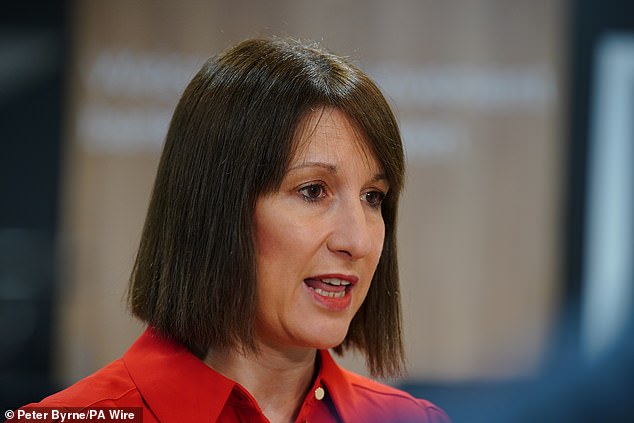
Long-term government borrowing costs in the UK saw a sharp increase on Friday, driven by reports that Rachel Reeves, the Chancellor of the Exchequer, has abandoned plans to raise income taxes in the upcoming Budget. This development has sent shockwaves through financial markets, leading to a significant rise in gilt yields.
For weeks, expectations of an income tax hike had helped stabilize borrowing costs, as investors gained confidence in the Chancellor's ability to manage the country’s finances. However, this apparent shift in policy has shaken that confidence, resulting in a surge in long-term borrowing costs.
The ten- and thirty-year gilt yields, which represent the interest paid on UK government debt, increased by 10 and 12 basis points respectively in early trading. This move has undone much of the progress made in reducing borrowing costs over recent months, with current yields standing at 4.53% and 5.35% for the respective maturities.
Sterling also suffered, falling 0.5% against the US dollar, reaching around £1.131. Meanwhile, two- and five-year gilt yields rose by 6 and 8 basis points, respectively.
Understanding the Impact on Inflation and Interest Rates
Long-term borrowing costs are often seen as a proxy for long-term inflation and interest rate expectations. Income taxes, if raised, would have been a deflationary measure, helping to lower inflation expectations and, in turn, interest rates. The absence of such a move means the Chancellor must now find alternative ways to address the country’s fiscal challenges.
The fiscal black hole, estimated to be as large as £40 billion, could be filled through other means. These might include freezing income tax thresholds, which are currently set to remain unchanged until 2028, or making changes to property and pension taxes.
Francesco Pesole, an FX strategist at ING, highlighted the implications of this shift. He noted that the previous expectation of income tax increases was supporting the gilt market, as it was seen as a way to achieve fiscal tightening without fueling inflation. This, in turn, could have allowed the Bank of England to cut interest rates in December and beyond.
However, the uncertainty surrounding how Reeves plans to fill the £30 billion fiscal gap without raising income taxes remains unclear. One possible option is increasing VAT, which is considered an inflationary measure. Such a move could lead to a hawkish response from the Bank of England, further impacting gilts.
According to media reports, several options are being considered. One potential approach is to freeze the income tax brackets, which could have a similar fiscal effect to raising the rate on one bracket. This strategy might be well-received by the market.
Market Reactions and Future Outlook
John Stopford, head of managed income at fund manager Ninety One, commented on the market's reaction. He noted that the gilt market had performed relatively well over the past month, supported by growing expectations of credible measures in the budget to restore fiscal stability. These included income tax increases and softer growth and inflation data that suggested a possible rate cut in December.
However, the shift away from income tax increases has led to disappointment among investors. They view the use of smaller tax rises as less credible and indicative of a lack of support from the Chancellor’s party for making difficult decisions.
Stopford emphasized that there was an opportunity to create a more positive backdrop for gilt yields and, consequently, borrowing costs. Unfortunately, this opportunity seems to have been missed, and the outlook for the market now appears more uncertain than before.
