Ultra-Processed Foods Boost Bowel Cancer Risk
New Research Links Ultra-Processed Foods to Increased Risk of Bowel Polyps in Women Under 50
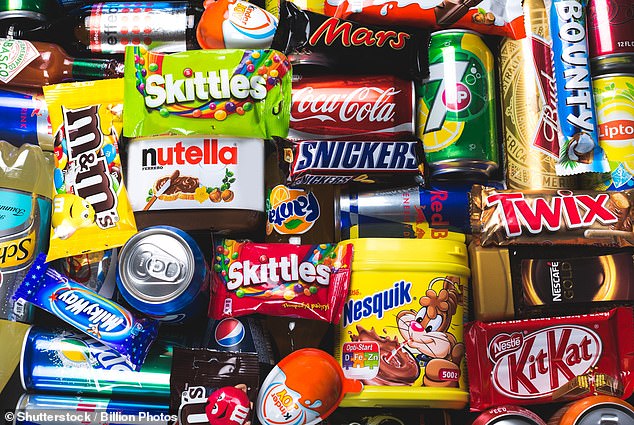
A growing body of research suggests that women under 50 who regularly consume ultra-processed foods (UPFs) are at a significantly higher risk of developing bowel polyps, which can potentially lead to cancer. This alarming trend has been highlighted by recent studies examining the link between diet and early-onset colorectal cancer.
The study, conducted by leading cancer experts from PROSPECT—a global research initiative funded by Cancer Grand Challenges—analyzed endoscopy results from over 29,100 women. Researchers found that those who consumed the most UPFs had a 45% increased risk of developing growths on their large intestine or rectum. While most polyps are benign, some may become cancerous over time, making early detection crucial.
Understanding Ultra-Processed Foods and Their Impact
Ultra-processed foods, which are typically low in fiber and high in emulsifiers, have long been associated with an increased risk of bowel cancer. However, until now, there has been limited data on how these foods contribute to early-onset growths in the bowel.
The researchers published their findings in the journal JAMA Oncology, analyzing whether consuming more UPFs was linked to an increased risk of non-cancerous tumours and serrated lesions in the bowel—the two main drivers of colorectal cancers.
The study focused on female nurses aged 25 to 42, enrolled in the Nurses’ Health Study II. Over 24 years, researchers tracked lifestyle factors, family history, and dietary habits through questionnaires and food frequency assessments.
Key Findings and Implications
Participants were divided into four groups based on their UPF intake using the Nova classification system. The study revealed that those who consumed the most UPFs had higher BMIs, smoked more, and had a higher prevalence of type 2 diabetes compared to those who ate fewer UPFs.
These women also tended to take more anti-inflammatory painkillers, such as aspirin, and were more likely to be on hormone replacement therapy. They were less likely to take supplements and were less active than their peers.
On average, UPF consumption accounted for around 35% of total daily calories, equating to about 5.7 servings per day. These servings primarily came from breads, breakfast foods, sauces, spreads, condiments, and sugary drinks.
By the end of the study, 1,189 cases of early-onset tumours and 1,598 serrated lesions were recorded. Those who ate the most UPFs were more likely to develop early-onset tumours, but not lesions—with artificially sweetened drinks driving the trend.

Potential Mechanisms and Future Research
The researchers concluded that the combined exposure to multiple food additives may have a "cocktail effect" on gut health by impairing barrier function and altering the microbiome. They emphasized the importance of diet in early-onset colorectal carcinogenesis and suggested that improving dietary quality could help mitigate the rising burden of early-onset colorectal cancers.
Professor Charles Swanton, Chair of the Cancer Grand Challenges Scientific Committee, added that while causation has not yet been proven, the PROSPECT team is combining large-scale population studies with cutting-edge lab science to better understand the factors contributing to this trend.
Rising Cases and Public Health Concerns
In the UK, there are around 44,000 cases of bowel cancer each year, and in the US, the number reaches 142,000. Bowel cancer is the fourth most common cancer in both countries. In England, diagnoses in individuals aged 25 to 49 have increased by over 50% since the early 1990s. In the US, the disease is projected to become the most common cancer in people under 50 by 2030.
Symptoms of bowel cancer include changes in bowel movements, blood in the stool, abdominal pain, bloating, unexplained weight loss, and fatigue. Anyone experiencing these symptoms should consult their GP.
Cancer Research UK estimates that over half (54%) of bowel cancer cases in the UK are preventable. The charity is calling for broader changes to make healthier lifestyles more accessible and reduce the rising cancer rates.
Fiona Osgun, head of health information at the charity, emphasized that while this study does not directly measure cancer risk, it provides valuable insights into how diet might influence early changes in the bowel that sometimes lead to cancer.
She noted that diets are shaped by external factors such as food prices, marketing, and local availability. To address this, she called for broader changes—from food policy to public health initiatives—to make healthier diets more accessible for everyone.
