Ultra-Processed Foods Linked to Rising Colorectal Cancers in Young Adults, Study Warns
Understanding the Link Between Ultra-Processed Foods and Colorectal Cancer
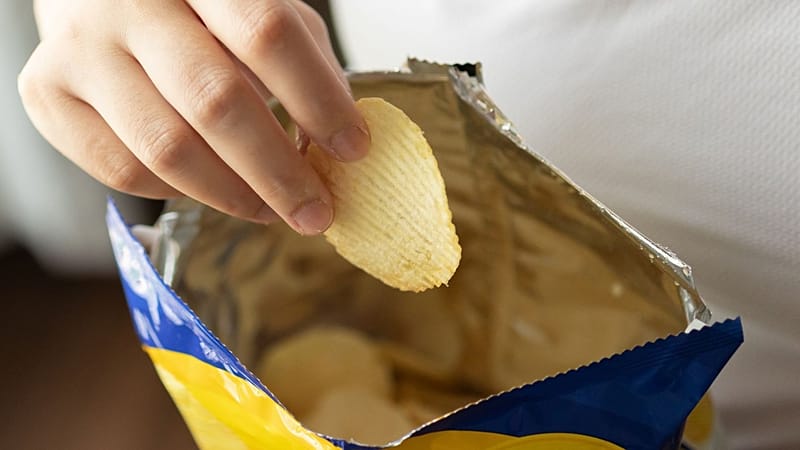
A growing body of research is pointing to a potential factor behind the rising incidence of colon and rectal cancers among younger individuals: ultra-processed foods. These are typically ready-to-eat or ready-to-heat products that have undergone extensive industrial processing. Examples include packaged snacks, mass-produced breads, sweetened breakfast cereals, instant noodles, and frozen pizzas. Over the past few decades, these foods have become a significant part of many people’s diets.
This shift in dietary habits has coincided with an alarming trend: an increase in colorectal cancers diagnosed in individuals under 50. Historically considered diseases of older adults, these cancers now affect younger populations more frequently. Patients diagnosed at a younger age often face more advanced stages of the disease and poorer survival rates, prompting scientists to investigate how modern diets might be contributing to this health crisis.
A Major Study on Diet and Colon Health
In one of the most comprehensive studies to date, researchers examined the diets and endoscopy results of over 29,000 women in the United States. By analyzing two decades of health data, they were able to track long-term outcomes and assess the relationship between diet and colon health.
The findings revealed a clear correlation: women who consumed the highest amounts of ultra-processed foods had a 45% higher risk of developing adenomas—benign growths or polyps in the colon and rectum that can progress into cancer. While most polyps remain non-cancerous, some may evolve into malignancies over time.
Dr. Andrew Chan, a gastroenterologist at the Mass General Brigham Cancer Institute and one of the study’s authors, emphasized that the increased risk appears to be fairly linear. “The more ultra-processed foods you eat, the more potential that it could lead to colon polyps,” he explained.
The Role of Diet in Preventing Early-Onset Cancer
Ultra-processed foods are often high in sugar, salt, saturated fat, and various additives. Dr. Chan suggested that reducing their consumption could help mitigate the growing burden of early-onset colorectal cancer.
However, the study also found no link between ultra-processed food intake and serrated lesions, another type of precursor to colorectal cancer. This indicates that the relationship between diet and cancer development may be more complex than previously thought.
Importantly, the study’s conclusions remained consistent even after accounting for other known risk factors, such as obesity and low fibre intake. While the research does not definitively prove that ultra-processed foods cause cancer, it provides valuable insights into how diet might influence health risks.
Ongoing Research and Future Directions
Despite these findings, researchers acknowledge that diet alone cannot fully explain the rise in early-onset colorectal cancer. Many patients in clinical settings who develop the disease do not consume highly processed foods, suggesting that other factors—both environmental and genetic—are likely involved.
The team is continuing to explore non-dietary influences that may contribute to this trend. They are also investigating whether certain types of ultra-processed foods are more harmful than others. For instance, the study found that most of the ultra-processed foods consumed by participants came from items like breads, breakfast foods, sauces, spreads, condiments, and sugary or artificially sweetened beverages.
“Diet isn’t a complete explanation for why we’re seeing this trend,” Dr. Chan noted. “We see many individuals in our clinic with early-onset colon cancer who eat very healthy diets.”
Conclusion
As the scientific community continues to unravel the complexities of early-onset colorectal cancer, the role of diet remains a critical area of focus. While ultra-processed foods may not be the sole cause, their increasing presence in modern diets underscores the need for greater awareness and healthier eating choices. Ongoing research will be essential in identifying effective strategies to reduce the risk of this growing public health concern.
