University Labels Dickens a Racist Over 1851 China Critique
The University of Manchester and the Controversy Over Charles Dickens' Essay
The University of Manchester has sparked a heated debate after issuing a warning to students about an 1851 essay co-authored by Charles Dickens, which it claims expresses 'racist views, particularly against Chinese people.' This move has raised concerns about academic freedom and the influence of external pressures on university policies.
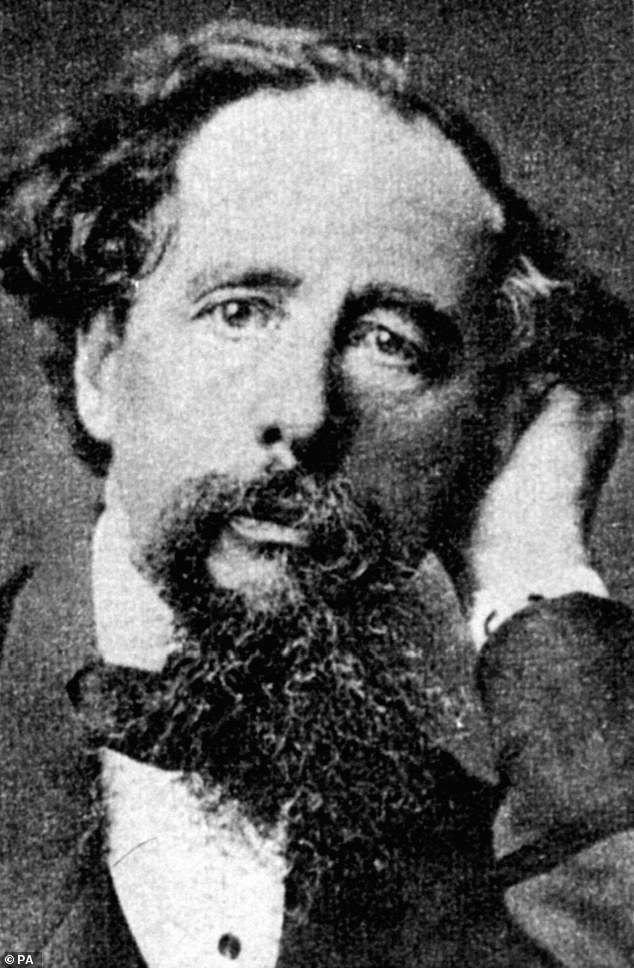
The essay in question, titled The Great Exhibition and the Little One, was co-written by Dickens and poet Richard Horne. According to experts, the majority of the content is believed to be Dickens’ work. The article contrasts the economic, political, and moral superiority of Western civilization with what it describes as a stagnant and backward China. It praises England for maintaining commercial intercourse with the world while criticizing China for 'coming to a dead stop.'
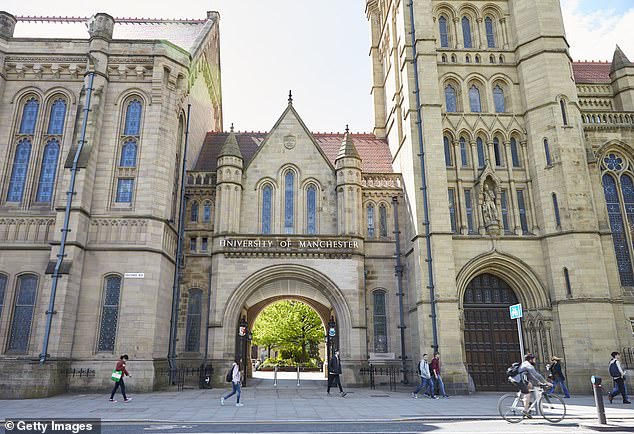
The university's warning has been issued to students enrolled in an English Literature module called Victorian Rights: Victorian Wrongs. Students who are concerned about reading the article are encouraged to discuss it with their course tutor. The university, which has around 9,000 students from mainland China, has faced criticism for its approach.
Critics have labeled the warning as 'historically illiterate' and accused the university of prioritizing its commercial ties with China. The controversy comes at a time when other UK universities have also faced scrutiny over their relationships with Chinese authorities.
Recent Developments and Alleged Pressure from Chinese Authorities
In recent months, Sheffield Hallam University came under fire after an academic, Professor Laura Murphy, was reportedly prevented from investigating human rights abuses in China. Staff from China’s National Security Agency are said to have threatened university employees in China to halt her research. Additionally, access to the university's websites was blocked in China, affecting its ability to recruit students—many of whom pay significantly more than UK-based undergraduates.
This context has intensified the debate surrounding the University of Manchester’s decision. Some argue that the university may be responding to external pressures rather than focusing on historical accuracy.
Perspectives from Academics
Frank Furedi, emeritus professor of sociology at the University of Kent, criticized the university's approach. He stated that highlighting the economic and political superiority of the West in the mid-19th century was a 'self-evident fact.' Furedi added that the real concern should not be Dickens’ views but the 'historical illiteracy of the University of Manchester’s sensitivity police.'
The University of Manchester is home to the Confucius Institute, a partnership with Beijing Normal University, and runs the University of Manchester China Centre in Shanghai. In 2022, the UK Government prevented the university from licensing new technology to a Chinese company on national security grounds.
Lord Young, founder of the Free Speech Union, has called for Bridget Phillipson to enforce the Higher Education (Freedom of Speech) Act, which requires universities to disclose their dependence on foreign funding.
Institutional Response
A university spokesman emphasized that its approach to teaching and research is guided by 'academic integrity and intellectual curiosity—not by any external relationships or partnerships.' However, the controversy continues to raise questions about the influence of Chinese interests on UK higher education.
Ongoing Concerns About Academic Freedom
The debate extends beyond the University of Manchester. Experts are increasingly concerned about the impact of Confucius Institutes on academic freedom in UK universities. These institutes, funded by the Chinese government, have been accused of promoting CCP narratives and undermining independent scholarship.
Questions remain about whether Chinese investments in UK schools and universities are putting Britain’s educational independence at risk. As these issues unfold, the balance between academic freedom and international partnerships becomes a critical topic of discussion.
Conclusion
The controversy surrounding Dickens’ essay highlights broader concerns about how historical texts are interpreted in contemporary academic settings. While the University of Manchester defends its actions, critics argue that the focus should be on fostering critical thinking rather than avoiding controversial material. As the debate continues, the role of external influences in shaping university policies remains a pressing issue.
