Unravel the 1930s Dance Marathon Mystique
A Unique Escape in Hard Times
During the challenging years of the Great Depression, when dreams were hard to come by and bread was scarce, America found an unusual form of escape—dance marathons. What initially started as lighthearted endurance contests evolved into grand spectacles of survival. Couples danced for hours that stretched into days, sometimes even weeks. This phenomenon reflected the deep-seated desperation of the time.
To understand the frenzy, imagine the mood of the country in the early 1930s. Millions were unemployed, savings disappeared, and hunger was a constant presence on city streets. Amid these hardships, dance marathons offered a prize—cash, food, and a roof over their heads for as long as competitors could stay upright. People came, hopeful or hopeless, drawn by the promise of a full meal and fleeting fame.
A Stage for Endurance, A Mirror of Despair
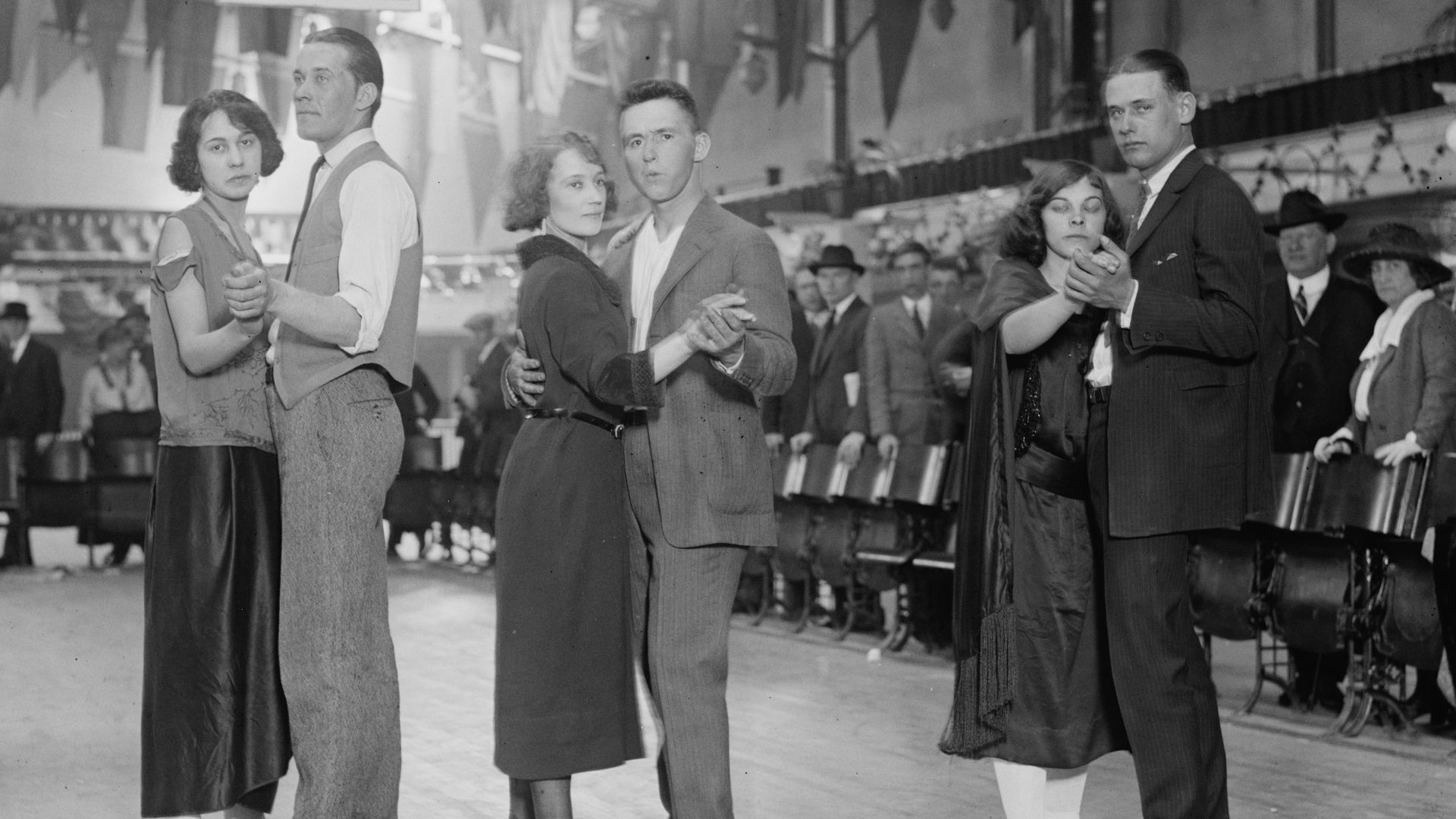
Promoters transformed the contests into a public theater. Halls filled with jazz bands, commentators, and cheering crowds. Couples shuffled endlessly, allowed only fifteen minutes of rest per hour. Nurses stood ready with smelling salts, while judges prowled the floor for signs of weakness. Falling asleep, even for a moment, meant disqualification. Yet many dancers continued long after exhaustion turned their movements mechanical.
To keep audiences invested, organizers invented backstories. Contestants became characters, and announcers narrated their struggles like soap operas, each stumble greeted with gasps, every near-collapse with applause. For spectators, it was a cheap drama. For the dancers, it was survival. And for promoters, it was a profit.
What made it so intoxicating was its cruel paradox. The marathons provided food and temporary fame to the desperate while exploiting their misery for ticket sales. Newspapers couldn’t look away either, describing these contests with a mix of fascination and moral outrage. Some headlines called them “the poor man’s theater,” others labeled them “marathons of misery.”
Even as exhaustion took its toll, the atmosphere remained electric. Some participants fainted mid-dance, lifted up by partners to keep time with the music. Others broke down in tears or laughter, unable to distinguish fatigue from delirium. It was an echo of a society that refused to stop moving even as it fell apart.
When the Music Finally Stopped
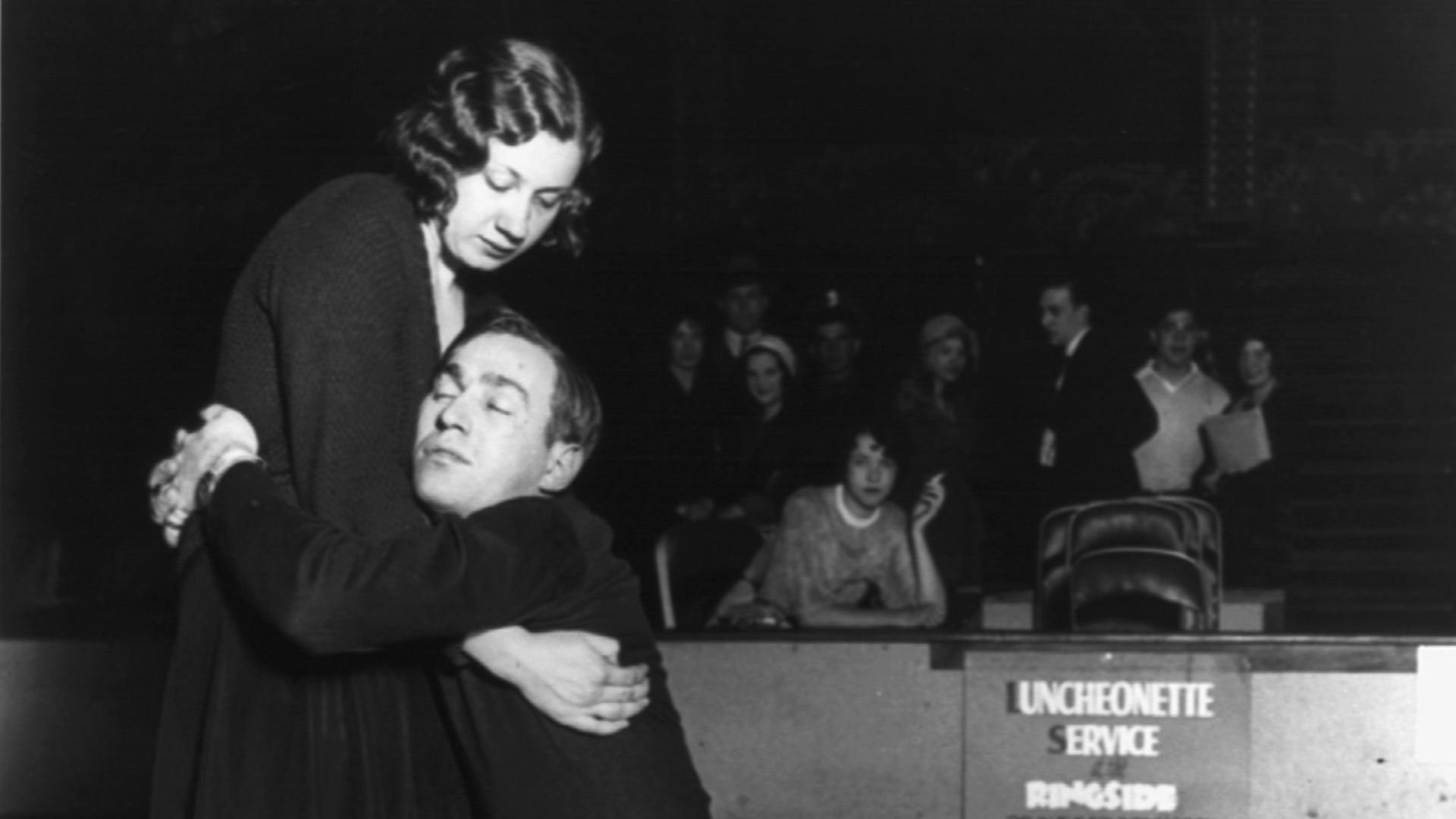
By the mid-1930s, the spectacle had spread across America. Medical experts condemned the events, calling them dangerous to health and dignity. Churches protested their cruelty, and city councils started passing bans. Still, for a while, the lure of endurance held fast.
The decline came quietly. Public empathy shifted as more stories surfaced of contestants collapsing or dying mid-event. Hollywood captured the grim reality decades later in They Shoot Horses, Don’t They?, and by the end of the decade, regulations and rising prosperity finally silenced the band.
In retrospect, these contests feel both grotesque and heroic. Grotesque because they turned suffering into spectacle, heroic because they showed the endurance of those who had nothing left but the will to keep moving. When the music stopped, what echoed wasn’t applause, but a question that still lingers today: how far will people go to be seen, fed, or remembered?
