Unveiling the Hidden Majesty: Temple of Esna's Ceiling Revealed
A Hidden Legacy Unveiled
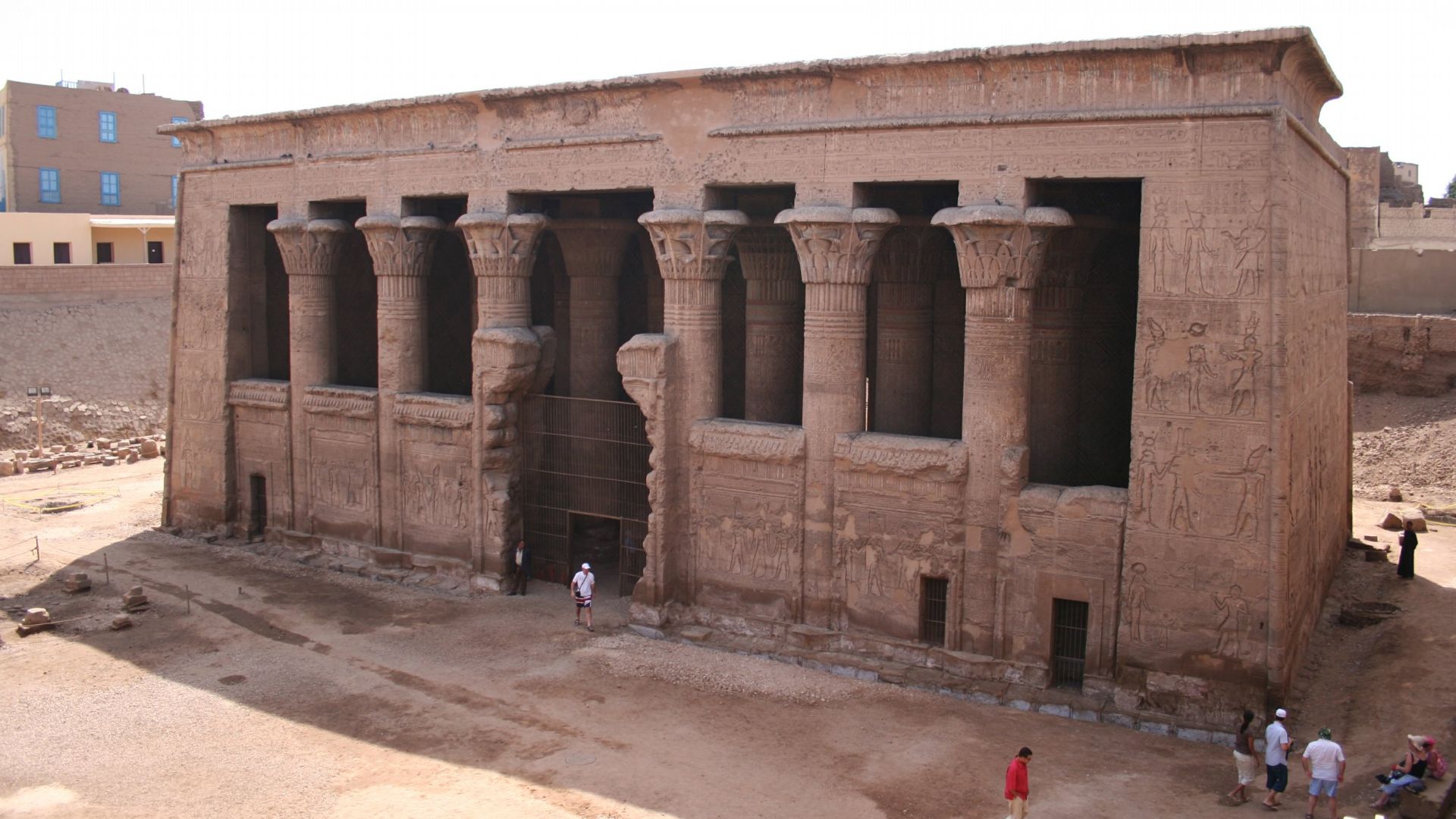
In the ancient city of Esna, located about 34 miles south of Luxor in Egypt, a remarkable discovery has brought history back to life. After centuries of being hidden beneath layers of soot, dust, and bird droppings, the ceiling of the Temple of Esna has been restored to its original vibrancy. This stunning revelation offers a glimpse into the celestial beliefs of the ancient Egyptians and raises intriguing questions about what other secrets might be waiting to be uncovered.
The Restoration That Revived the Cosmos
The Temple of Esna, originally built during the Ptolemaic and Roman periods, was once a center for celestial devotion. It was dedicated to Khnum, the ram-headed god of creation. Over time, the temple fell into disrepair, with its roof blackened by candle smoke and its chambers repurposed—once even serving as a cotton storehouse under Muhammad Ali Pasha in the 1800s.
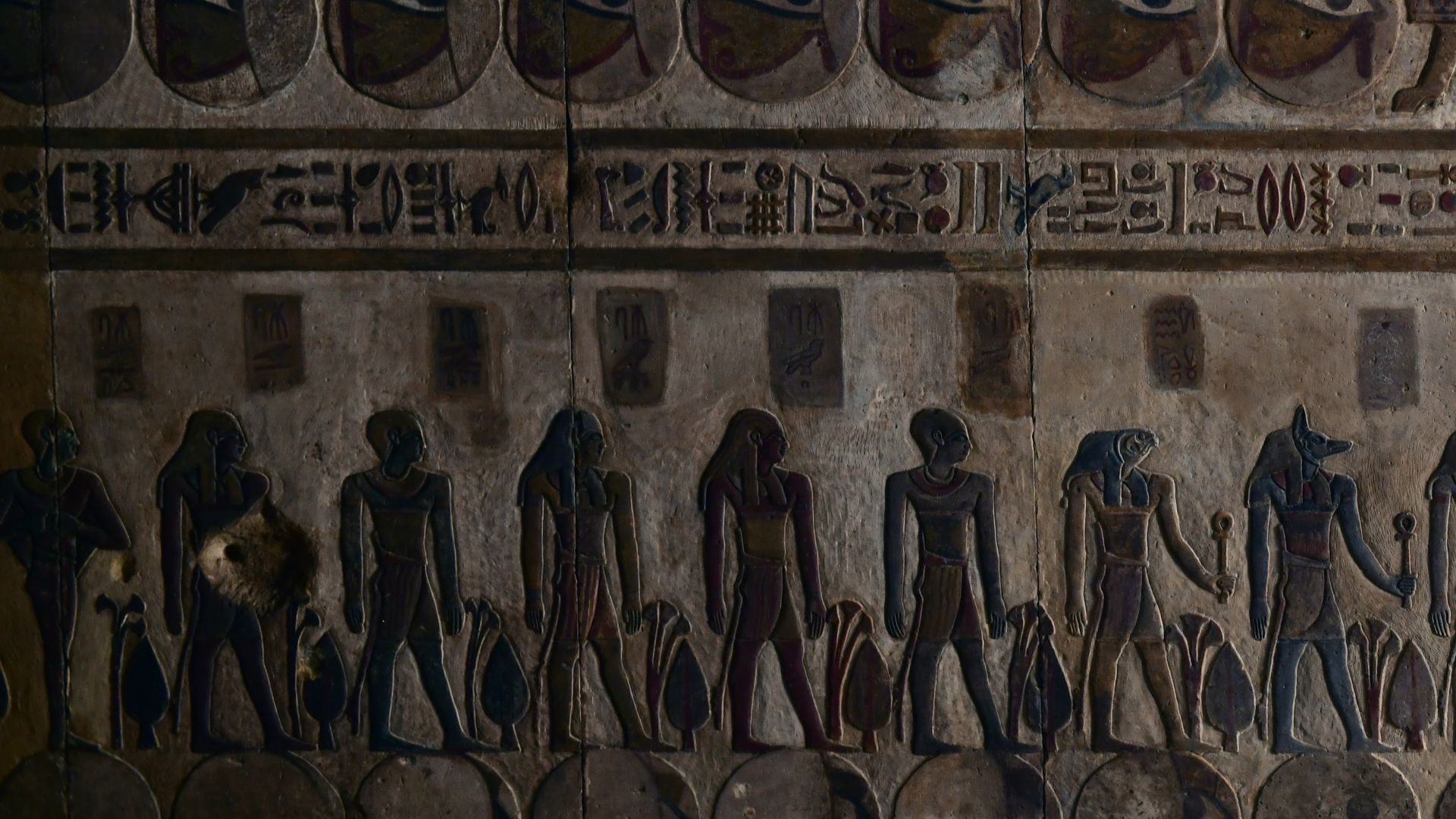
In December 2018, a joint Egyptian-German mission began the painstaking process of restoring the temple’s ceiling. Led by Hisham El-Leithy from Egypt’s Ministry of Antiquities and Christian Leitz from the University of Tubingen, the team carefully removed layers of soot. What they uncovered was nothing short of extraordinary: the entire zodiac, complete with twelve vibrant signs, planets, and constellations, all etched nearly 2,000 years ago.
A Cosmic Bridge Between Civilizations
While the zodiac appears distinctly Egyptian, its roots trace back to Babylonian astronomy, later influenced by Greek culture during the Ptolemaic era. This makes the Esna ceiling a unique blend of science, art, and mythology—a cosmic dialogue between different civilizations. It is one of only two complete zodiac depictions found in Egypt, with the other preserved at the Dendera Temple.
Among the symbols discovered were familiar constellations such as Aries, Leo, and Libra, as well as Orion and Sothis (Sirius), which held deep significance in Egypt’s calendar and the cycles of the Nile. Forty-six carved eagles, representing days and hours, were also found, adding symbolic precision to the design.
A Palette of Color and Meaning
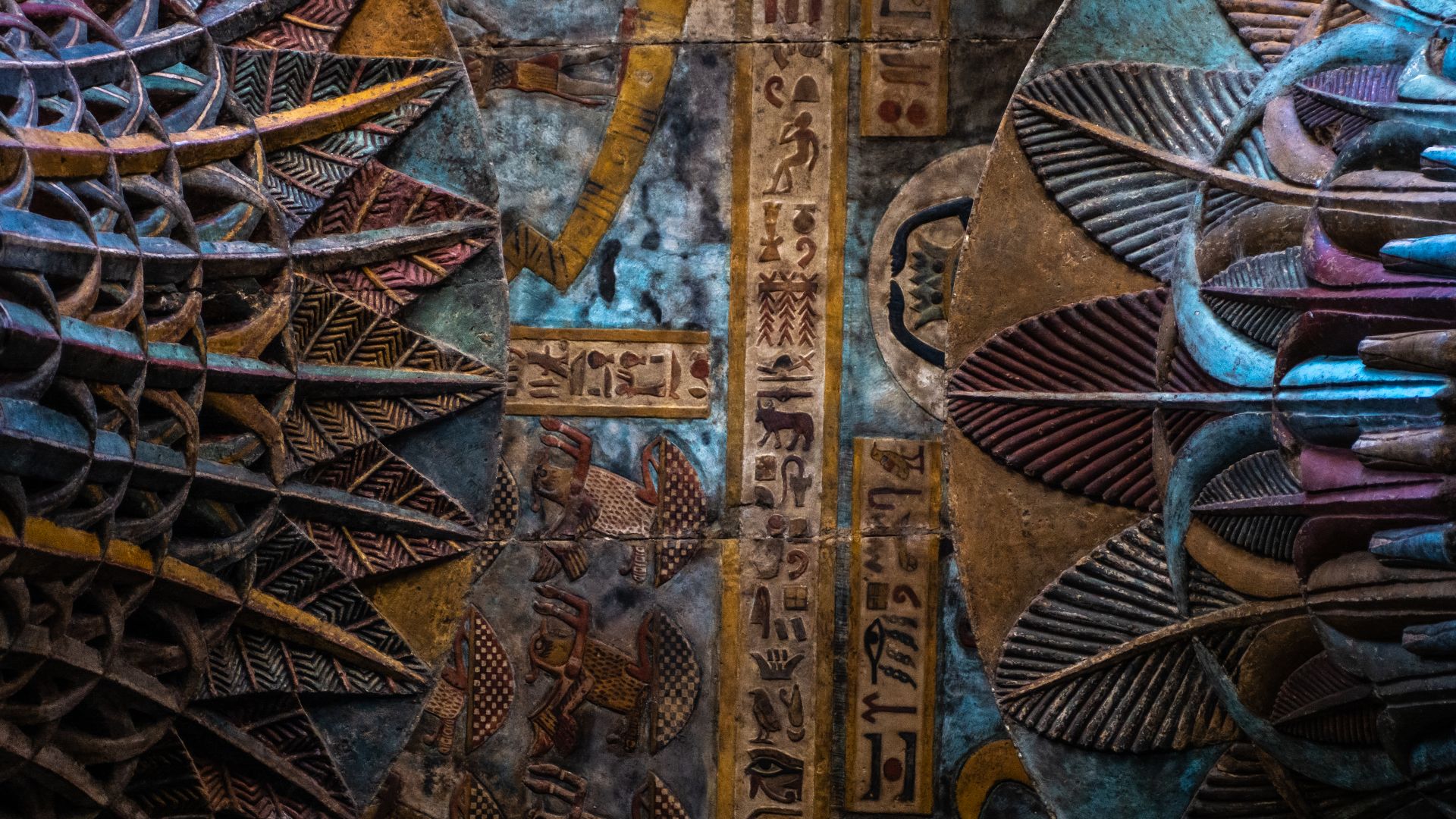
When conservators removed the final layer of soot, they were astonished by the vibrancy of the pigments. The colors had not faded—they had been perfectly preserved. Ultramarine blues for the heavens, vermilion reds for Mars, and golden ochres for the gods shimmered under new light. Hieroglyphs that had long been obscured were now clearly visible, offering valuable insights into Egypt’s late religious and astronomical thought.
This restoration not only revives the visual splendor of the temple but also rekindles the ancient dialogue between humanity and the cosmos. Every restored inch serves as a reminder that while time may bury beauty, patience and care can bring it back to life.
A Testament to Time and Resilience
The story of the Temple of Esna is more than just a tale of restoration—it is a testament to the resilience of human creativity and belief. The zodiac on its ceiling speaks of a civilization that looked to the stars for guidance and meaning. As visitors stand beneath this newly revealed masterpiece, they are not just looking at a ceiling; they are listening to the whispers of the past, where the stars still speak.
