Unveiling the True Creator of the Iconic California Roll
The Rise of the California Roll
The California roll has become a staple in the world of sushi, found in high-end restaurants, grocery stores, and even gas stations. Its widespread popularity is matched only by the controversy surrounding its origin. Many claim to be the true creator, but the truth likely lies somewhere between these competing stories.
The Los Angeles Claim
One of the most popular theories suggests that the California roll was created in Los Angeles during the 1960s or 1970s. According to this story, chef Ichiro Mashita at Tokyo Kaikan, a restaurant in the Little Tokyo area of Los Angeles, introduced the dish by placing avocado inside the roll instead of raw tuna. This was done with the idea that American diners would not be willing to try raw fish.
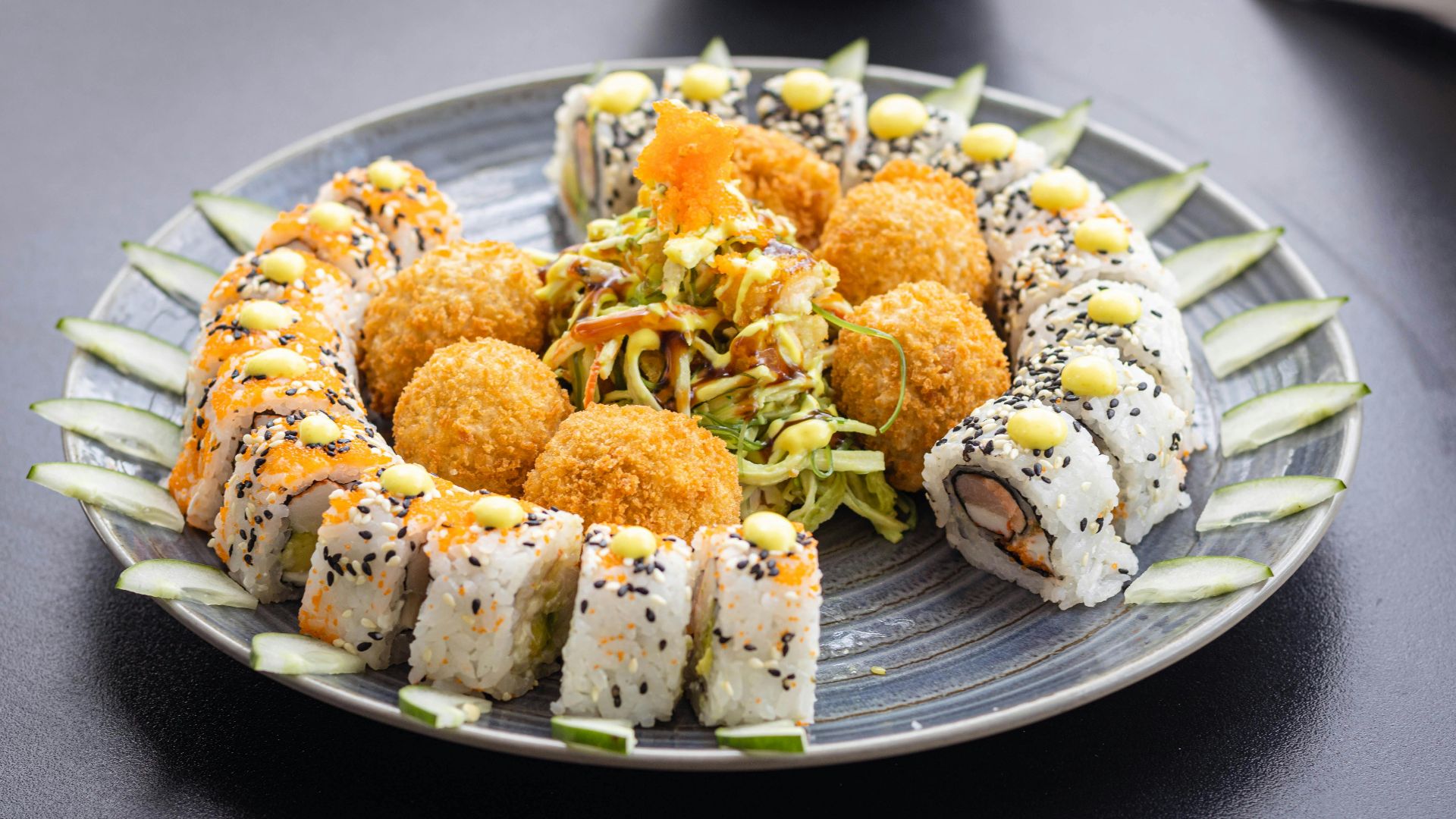
Mashita also reversed the traditional method of wrapping the nori seaweed around the rice, placing the rice on the outside. This made the sushi more approachable for those unfamiliar with Japanese cuisine. This small change helped introduce sushi to a wider audience, leading to further creative adaptations and making sushi a mainstream cuisine in North America.
The Vancouver Angle
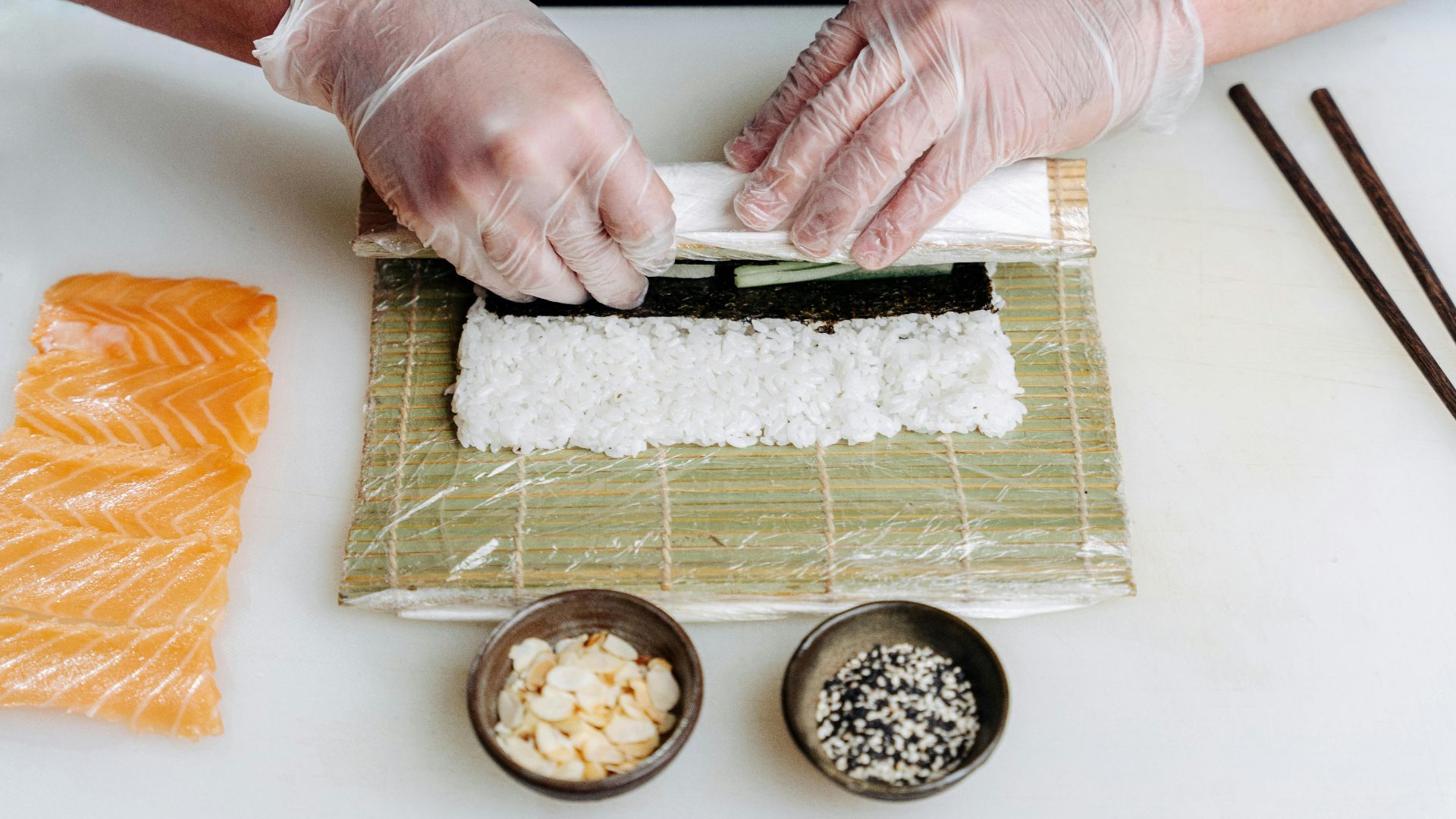
Meanwhile, in Vancouver, Chef Hidekazu Tojo claims he invented the California roll in 1971. He aimed to appeal to North American palates by using fresh Dungeness crab (or imitation), avocado, and other local ingredients. He initially called it the "Inside-Out roll."
Tojo’s version gained popularity among Vancouverites and visitors from California, which eventually led to the roll being known as the "California roll." While Vancouverites may argue that this is where modern sushi outside Japan was born, it's possible that their marketing efforts have played a significant role in this narrative.
The Avocado Controversy
Avocado is not a traditional Japanese ingredient; it's Mexican. However, the combination of avocado with crab and sticky rice has proven to be a perfect match. The creamy, slightly sweet texture of avocado provides a great contrast to the other ingredients. While some sushi purists may disapprove of this addition, many others see it as a genius innovation. This has inspired other bold variations such as mango and cream cheese rolls.
There is something oddly comforting about eating a California roll, especially for those who are still learning the etiquette of using chopsticks. It's a dish that brings people together, regardless of their cultural background.
The Nori Debate
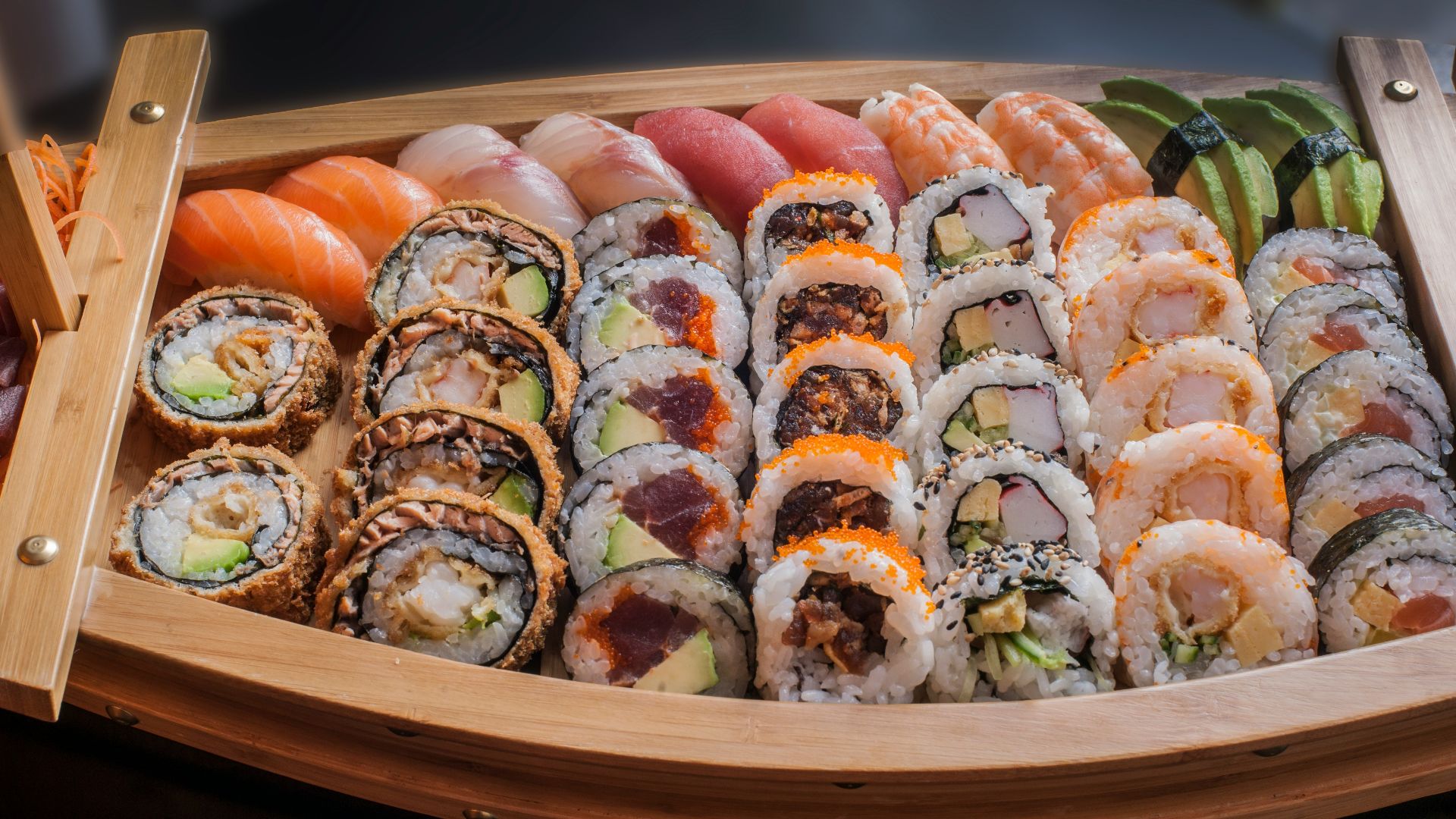
The California roll challenged several core principles of Edo-style sushi, which is the standard most purists follow. Putting the nori on the inside was not just a violation of tradition—it was a direct challenge to the culinary principles of texture and structure. It ignored the balance of salt and the snap of the outer nori that held everything neatly together.
The California roll also broke the convention that rice should be tucked neatly inside, where it wouldn't stick to your fingers or smudge your soy dish. The differences didn't stop with the presentation; the roll swapped fish for surimi, rice for nori, and added extra fillings that all competed for attention. Despite these changes, the California roll managed to work, perhaps because it wasn't pretending to be Japanese—it was distinctly Californian.
Why It Matters Anyway
Does it really matter who invented the California roll? Maybe not, but the debate is enjoyable and reminds us that culture and cuisine are always evolving. They absorb new influences and turn what was once considered heresy into tradition.
The California roll is proof that even with a simple dish like rice and seaweed, there is room for risk-taking. The next time you enjoy a California roll, take a moment to appreciate the details—the tiny specks of sesame seeds, the gentle firmness of the avocado, and the delightful imitation crab—and imagine the chefs arguing over who truly deserves the credit.
