What Gamers Value Most in a Great Game
Gaming has evolved significantly from its origins as a niche hobby. Today, it stands as one of the most popular forms of entertainment across the globe. What was once considered a pastime for children and tech enthusiasts has now transformed into a vibrant culture that connects millions of players from diverse backgrounds. Whether it's expansive open worlds or high-energy multiplayer arenas, video games serve as powerful storytelling tools, social platforms, and creative outlets all at once. Whether someone is a casual mobile gamer or a dedicated player in competitive titles, there's a game tailored for every type of player.
However, with so many games available, what truly defines a "good" game? Why do some games become top-tier titles with loyal fanbases that endure for years, while others fade into obscurity after their release? One way to understand this is by looking at what gamers themselves value.
The Current Biggest Games

A global community of gamers participated in a real-time ranking system, and the Top 3 Best Games in the World right now are:
- Minecraft
- Super Smash Bros. Ultimate
- Grand Theft Auto V
As the voting community remains active, this list accurately reflects the games that are currently loved by players worldwide. Although these three games may seem vastly different, they all share a common trait: they provide freedom, replayability, and a strong sense of community.
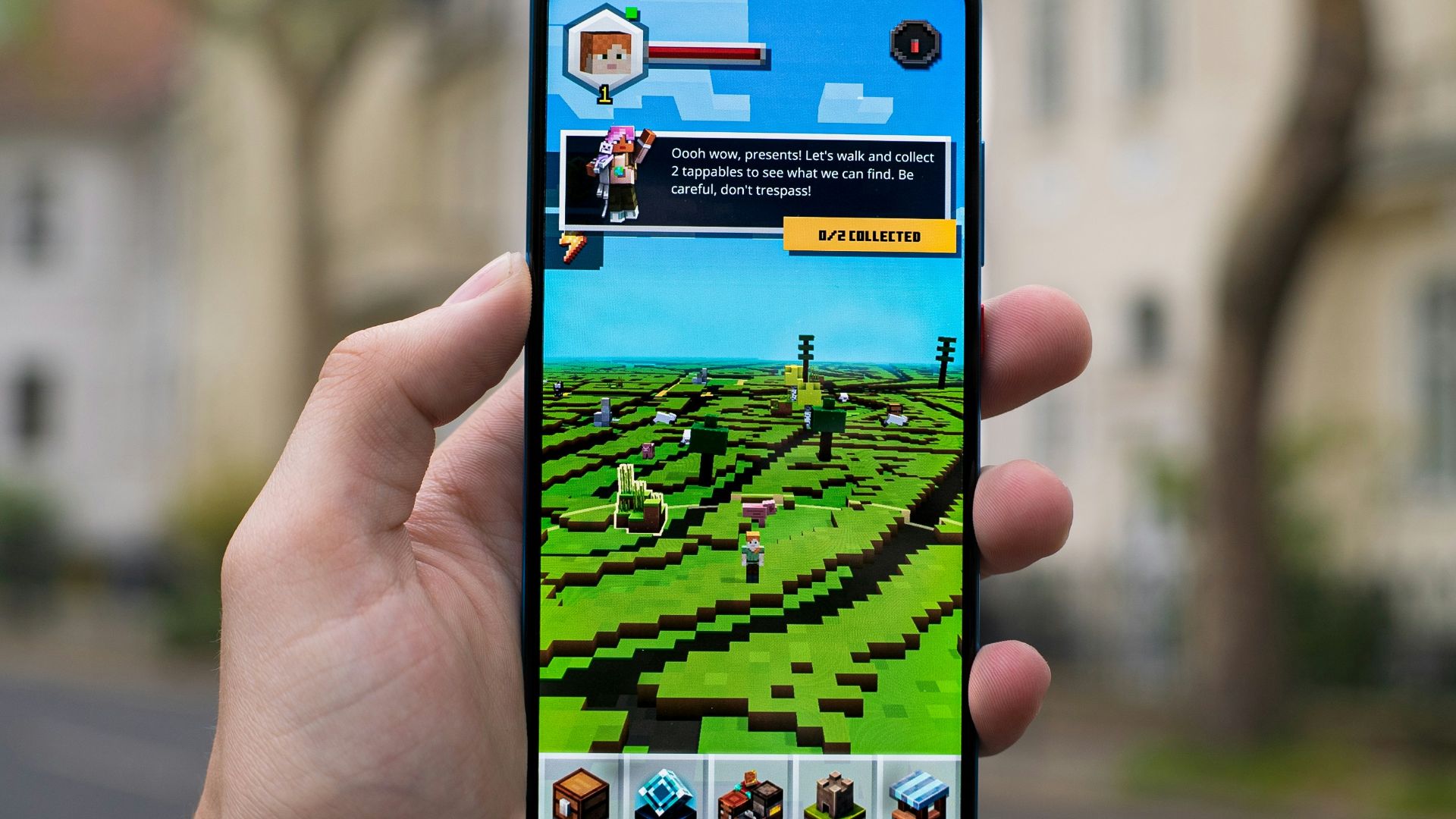
It’s no surprise that Minecraft tops the list. It has remained a household name for over a decade due to its enduring appeal. The game’s blocky, open-world design might appear simple at first glance, but it is precisely this simplicity that allows for limitless creativity. Players can build entire cities, landscapes, or even engage in battles against monsters at night. The only limit is the imagination of its players.
In second place is Super Smash Bros. Ultimate, a game that lives up to its name. With a roster of over 100 characters from various video game franchises, it offers an exciting blend of accessibility and spectacle. Whether you're imagining Mario and Pikachu clashing or Link and Sonic going head-to-head, there's always an action-packed matchup to enjoy. Additionally, the game features a high skill ceiling and a thriving competitive scene, ensuring there's always something new to master.
Rounding out the top three is Grand Theft Auto V, one of the best-selling games of all time. It has remained a fan favorite for over a decade due to its unique mix of cinematic storytelling and complete freedom. Players can cruise around in supercars, explore the virtual city of Los Santos, or build their own legacy in the online component. GTA V offers an endless sandbox of opportunities.
In summary, these three titles represent the essence of what makes gaming so special. A combination of freedom, creativity, community, and long-term engagement are key factors that contribute to their lasting success.
The Formula for Success

Player agency plays a crucial role in the success of any game. Gamers want to feel in control, whether it's how they construct a base in Minecraft, which fighter they choose in Super Smash Bros., or which path they take in Grand Theft Auto V. Games that allow players to feel their choices matter, or provide tools for personal expression, tend to have the longest-lasting appeal and the most passionate fanbases.
Replayability and content are closely tied to agency. In a well-designed game, players should want to return again and again. This can be achieved through updates, player-created content, or more complex systems for customization and self-expression. The best games are those where the experience never feels like it ends, no matter how long you play.
Community is another vital element in gaming. Players often engage with games to connect with others, share experiences, compete, or even collaborate on content. Games that foster positive social interactions—whether through multiplayer modes or tools for sharing and building content—are the ones that generate strong, loyal fanbases.
Finally, polish and performance are essential. A game must feel smooth and responsive to be enjoyable. Good performance, intuitive controls, and immersive design can turn a clever idea into a timeless classic.
