What is Tokenised Gold? Why Investors Are Investing and How It's Different from Physical Gold
The Rise of Digital Gold and Tokenisation
For centuries, gold has been a symbol of value and stability. It has served as currency, a store of value, and a safe haven during times of economic uncertainty. This year has been no different, with investors turning to gold amid geopolitical tensions and concerns about an "AI bubble" bursting. Gold prices have surged past the $4,000 per ounce mark, though they have since dipped slightly. Despite this, gold could still see its strongest yearly performance since 1979.
In today's digital world, investors are no longer limited to buying physical gold. There are now various ways to gain exposure to gold without the hassle of storing it at home or in a vault. One such innovation is digital gold, which allows investors to buy and hold gold through digital platforms. The latest evolution in this space is the tokenisation of gold, which has gained significant traction among investors.
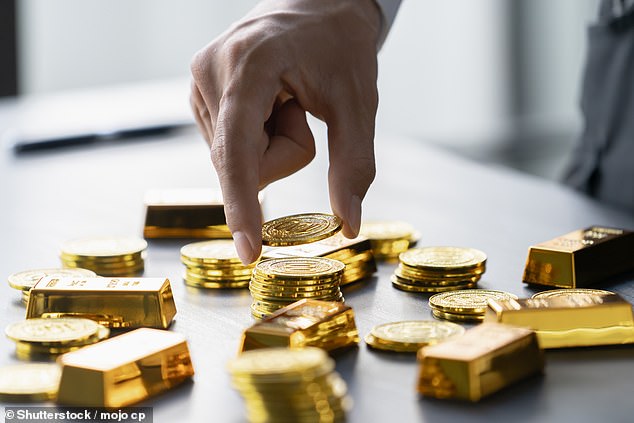
Understanding Digital Gold and Tokenised Gold
Digital gold enables investors to access the precious metal without purchasing physical bullion. Instead, they buy a fraction of real gold that is stored securely elsewhere, with ownership recorded digitally. For example, the Royal Mint's DigiGold offering lets buyers purchase gold by value rather than weight, with the gold held in secure vaults on their behalf.
Mike Oswin, global head of market structure and innovation at the World Gold Council, explained: "Digital gold allows customers to invest in gold through digital channels, with the physical gold securely held in a vault on their behalf. Crucially, all forms of digital gold are backed by physical gold, whether it's allocated to an individual customer or pool-allocated across multiple investors."
Tokenised gold differs from digital gold in that it uses blockchain technology to provide a digital representation of each unit of gold. This offers increased transparency and security for investors. Some may already be familiar with gold ETFs, which allow investors to own shares in a fund that holds gold, rather than owning the physical asset itself.
Larry Fink, CEO of BlackRock, recently stated that the tokenisation of financial assets will usher in a new era for financial markets. According to the World Gold Council, 26% of investors say they would be very likely to invest in gold token products.
Benefits of Tokenised Gold
One of the key advantages of tokenised gold is the ability to redeem digital holdings for physical gold. Some providers, like Tether Gold, allow customers to exchange their tokens for actual gold bars or coins. This option comes with a small fee, typically around 0.25% of the gold price at the time of redemption, plus delivery costs.
The popularity of tokenised gold has grown significantly, with over $3.6 billion worth of tokenised gold currently in circulation, according to Coingecko. Daily trading volume exceeds $1 billion, highlighting the increasing demand for this form of investment.
According to Faisel Ali, founder and managing director of Gold Bank London, tokenised gold offers greater transparency due to its blockchain-based nature. However, he also notes that investors must still trust the custodian holding the physical gold.
Why Investors Are Turning to Tokenised Gold
A growing number of investors are choosing tokenised gold because it combines the safety of physical gold with the convenience of digital access. For instance, 34% of US investors consider full redeemability for physical gold crucial to building trust in these products.
Ali explains: "People want safety and a hedge against instability, but they also want convenience. So tokenised gold sits in the middle. It's bringing new investors into the space, which is great for awareness."
Digital gold, including tokenised gold, offers several benefits over physical gold. While some investors prefer the tangible security of physical bullion, others appreciate the ease of managing digital holdings. Oswin notes that digital gold provides the reassurance of third-party custody and the convenience of online transactions.
How to Buy Tokenised Gold
Investors can purchase tokenised gold directly from issuers like Tether Gold, Paxos, and Comtech Gold. These platforms allow users to set up accounts and invest through their websites. Additionally, tokens can be bought on secondary markets via decentralised exchanges.
Oswin adds that tokenised gold can be transferred between Ethereum-compatible wallets, making it more accessible for those involved in the digital asset ecosystem. This flexibility allows investors to trade gold alongside cryptocurrencies and stablecoins.
Potential Drawbacks
Despite its advantages, tokenised gold is not without risks. Some investors worry about the lack of physical access to their gold, raising concerns about the reliability of custodians. Ali warns that while tokenised gold is based on real gold, it does not offer the same assurance as owning physical bullion.
He says: "When things get shaky, can you trust the people who have tokenised the gold?... Physical gold removes all that risk. That's the difference between owning gold and owning a promise."
Investors should ensure they use well-established companies that undergo independent audits to verify that their gold tokens are fully backed by physical gold. This helps mitigate the risks associated with digital investments.
